Published On 4/23/2026
In a scene that goes beyond the limits of traditional skirmishes, the Strait of Hormuz turns into a geopolitical chessboard in which the American and Iranian sides practice a policy of “mutual strangulation” under the roof of war.
This display of force does not only reflect a passing military tension, but rather establishes a phase of strategic “finger-biting,” where military geography intersects with global economic interests, putting the security of international navigation to the test of strategic patience.
“strait upon strait”
According to the interactive map presented by journalist Suhaib Al-Assa, the United States is following a strategy of isolating the Iranian ports on the Gulf of Oman by establishing an “imaginary line” that prevents ships from entering the Arabian Sea.
According to Al-Assa, Washington thus created a “strait on the strait” designated for the Iranians in response to Iranian threats, noting that these measures caused the disruption of more than 70% of shipping traffic in Hormuz, while monitoring that American forces forced 31 Iranian ships to return to their ports.

“Calculated escalation” tactic
On the ground, military expert Brigadier General Hassan Jouni said that actual control over the Strait remains in the hands of the Iranian Navy by “fact and geography,” stressing that the Revolutionary Guard’s targeting of tankers around the coast of Oman proves that this area is within the range of Iranian weapons.
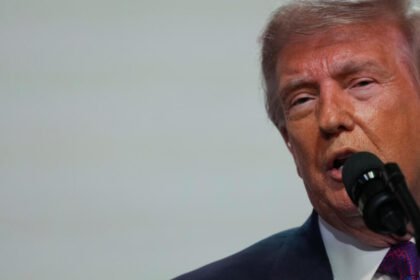
In the context of his analysis, Johnny – during the military analysis segment – questioned US President Donald Trump’s statements about the control of American minesweepers, considering that their entry without coordination with Tehran would inevitably lead to a clash, given the spread of Iranian firepower in the Qeshm, Lark, and Hormuz islands.
In his explanation of the absence of a direct clash, Brigadier General Johnny concluded that the two sides are engaged in a “calculated escalation.” While Washington aims to strangle the Iranian economy with its enormous naval capabilities, Tehran is avoiding sliding into an open war by responding in indirect ways and restricting navigation away from direct fire contact with the American fleets.
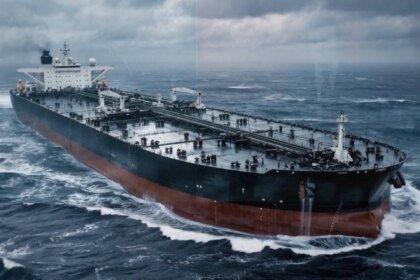
Yesterday, Wednesday, the Revolutionary Guard announced that its navy intercepted two ships, one flying the Panama flag and the other flying the Liberian flag, “and took them to the Iranian coast.”
These developments raise fears of a new escalation in the confrontation between the United States and Iran, with Tehran not officially commenting on Trump’s announcement to extend the ceasefire for an indefinite period, and in light of the ambiguity surrounding the possibility of holding new talks in Pakistan to stop the war permanently.