Published On 4/24/2026
The recent Israeli statements, in light of the extension of the truce for an additional 3 weeks, indicate that the occupation is seeking to impose a new field and political reality in southern Lebanon, based on transforming the military presence into a strategic pressure tool.
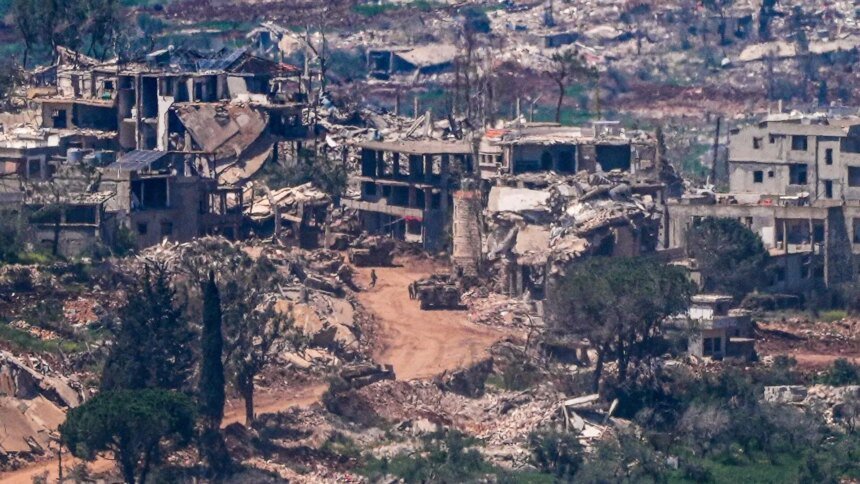
While the Israeli political level suggests the possibility of reaching “peace” that serves electoral agendas, the military machine continues its operations to change the geography of the border villages to ensure the distance of the Lebanese population from the security fence.
Israeli trends
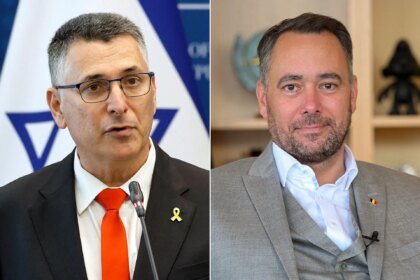
In a reading of the official directions, the Israeli ambassador to Washington, Yechiel Leiter, stressed the necessity of the Lebanese state acknowledging the presence of the Israeli army within its territory as a “temporary presence” imposed by one goal, which is to protect the residents of the northern towns.
According to what Al Jazeera correspondent Elias Karam reported from Leiter, Tel Aviv insists on the “right to self-defense” in parallel with its commitment to the truce, in an attempt to extract political legitimacy for its ongoing military movements.
The political readings of these positions indicate the desire of Benjamin Netanyahu’s government to invest in this file electorally, as it is said in Israeli circles that achieving a “possible peace” with the Lebanese state during the current year may constitute a strong lever for Netanyahu’s electoral campaign, provided that this settlement ensures that the strategic security aspirations of the occupation are met.

A bargaining chip
At the field level, Israel seeks to bring a new reality to the Lebanese villages adjacent to the border. Israeli intentions – according to field positions – are to prevent the Lebanese residents from returning to their homes near the security fence, while working to create a “buffer zone” extending for a distance ranging between 500 and 1,000 meters or more, to ensure that these villages do not turn into military sites for Hezbollah in the future.
The Israeli leadership also deals with its continued occupation of parts of the south as a “bargaining chip” in the negotiations, as Ambassador Yehiel Leiter calls on Lebanon to recognize this occupation until final settlements are reached.
Tel Aviv adopts a strategy of separating between striking Hezbollah’s military capabilities and resistance weapons, on the one hand, and the path of negotiation with the Lebanese state, on the other hand, as if they were two paths that would only meet when the Israeli conditions were fully met.
Yesterday, Friday, US President Donald Trump announced the extension of the ceasefire between Lebanon and Israel for 3 weeks, on the sidelines of the meeting between the ambassadors of the two sides to the United States, expressing his aspiration for the next meeting to be with Lebanese President Joseph Aoun and Israeli Prime Minister Netanyahu.
In the same context, US Secretary of State Marco Rubio stressed that the extension provides an opportunity to work to achieve lasting peace between Israel and Lebanon.

American mediation
Diplomatically, Israel has resolved its position towards the mediation parties, as Ambassador Leiter confirmed Tel Aviv’s absolute rejection of any French role or influence in the negotiations, justifying this by saying that Paris “does not have a good influence” on this path due to its relations with the Lebanese state.
On the other hand, Israel adheres to the United States as the sole mediator, based on the Israeli conviction that Washington remains the party most biased and understanding of the security and strategic aspirations of the occupation, which ensures the neutralization of any international pressure that may hinder the objectives of the military operation in the south.
Lebanon and Israel – which have been officially at war since 1948 – held a round of talks in Washington on April 14, the first of its kind since 1993. Two days after those talks, the United States announced a 10-day truce for the war that led to the deaths of more than 2,400 people in Lebanon and the displacement of more than a million.