Published on 6/26/2026
Between a salary that is not enough to meet the most basic needs, and a continuous rise in the prices of goods and services, millions of retirees in Iraq find themselves facing a difficult economic reality, after their monthly allocations have turned into a constant source of concern in light of increasingly complex living conditions.
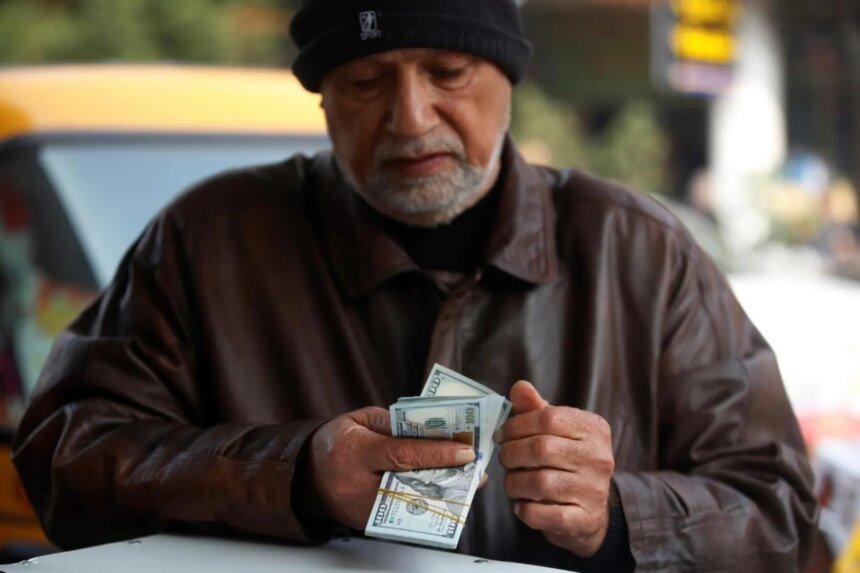
Abu Ali, one of the retirees who mainly depends on the pension, describes the condition of a large segment of retirees as living in constant suffering, stressing that the current circumstances have made their situation more difficult.
Abu Ali told Al Jazeera’s correspondent in Baghdad, Samer Al-Kubaisi, that the issue of the retiree has become known to everyone, and that the economic and social pressures they face have become “tragic”, in light of a limited salary that is not commensurate with the high demands of life.
He adds that the pension of about 600,000 Iraqi dinars (about 458 dollars) is not enough to cover basic needs, considering that it no longer keeps up with the volume of daily expenses, at a time when the prices of food and necessary goods are rising.
This suffering comes at a time when the country is facing a financial crisis linked mainly to the decline in oil revenues, the largest resource for the Iraqi budget, as the decline in crude exports led to a significant decline in revenues, which was reflected in the state’s ability to finance its financial obligations.
Oil export decline
Al Jazeera’s correspondent in Baghdad points out that the decline in oil exports to low levels compared to before has imposed great pressure on the government, especially since the financial budget has not yet been approved due to the absence of clear estimates of the amount of available revenues.
Economic specialist Adnan Al-Obaidi confirms that the Iraqi economy still depends mainly on oil, and therefore addressing the crisis cannot be done with quick solutions, pointing out that current measures, such as internal borrowing via treasury transfers, represent temporary solutions and not a radical treatment.
Al-Obaidi explained that other sources of income, such as religious tourism, customs and taxes, are still limited and do not represent an effective percentage of the total revenues of the Iraqi economy, which makes dependence on oil continuing.
In the face of this crisis, the Iraqi government has several options to provide liquidity, including internal and external borrowing or adjusting the exchange rate of the dollar against the dinar, but economists believe that these measures remain temporary solutions that do not address the roots of the problem.
While the government is searching for ways to overcome the financial pressures, those with limited income, led by retirees, remain the most affected by the repercussions of the crisis, waiting for solutions that guarantee them an income commensurate with the high costs of living and preserve their ability to face the burdens of daily life.