Published on 6/24/2026
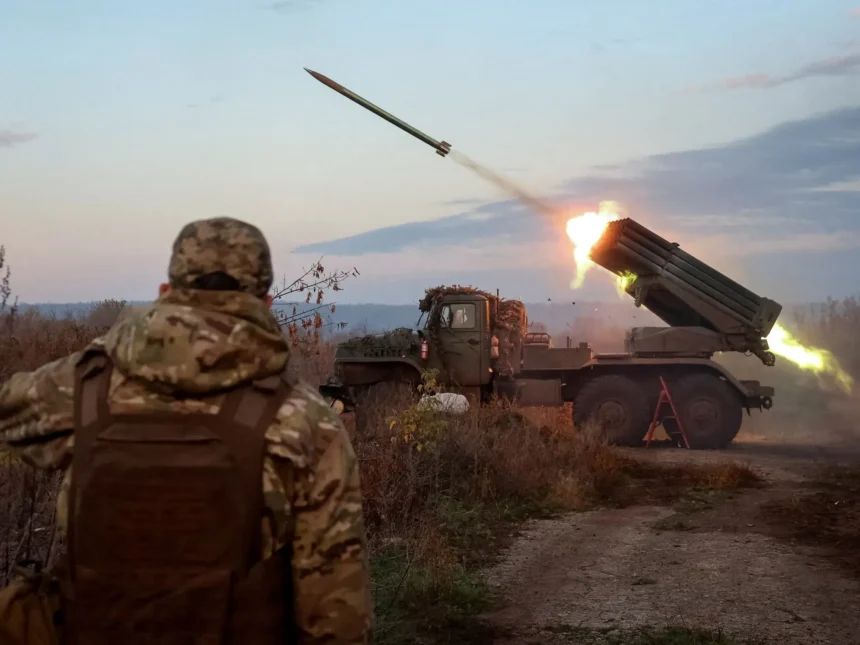
In light of a brutal war that has entered its fifth year, Ukraine faces a challenge no less dangerous than the battles taking place on the fronts, represented by the severe shortage in the numbers of soldiers capable of fighting, especially in the infantry units that bear the brunt of a long and costly war of attrition.
In an attempt to address this crisis, the Ukrainian authorities revealed a broad plan to restructure the military service system, which includes a significant increase in salaries, the approval of fixed-term service contracts, and facilitating the transfer of soldiers between units, in addition to expanding the scope of attracting foreign fighters.

The French newspaper Le Monde addressed this issue through two reports this month, one of which was from its special correspondent Remi Urdan from Mykolaiv, focusing on the field and operational aspects by tracking the story of the “Bolivar Battalion” and the mercenary fighters coming from Latin America.
Read also
list of 2 itemsend of list
As for the second report, it was from its correspondent, Thomas Destria, from Kiev. It forms a legislative and structural background for the first report, as it reviews the major reform plan announced by the Ukrainian presidency and the Ministry of Defense to confront the personnel shortage crisis and encourage recruitment.
The Bolívar Battalion includes hundreds of fighters coming from Latin American countries, who have become a model for the new Ukrainian trend aimed at compensating for the human shortage by attracting foreign elements with combat experience.
From Venezuela to the Ukraine fronts
The first nucleus of the battalion was founded in 2022 by José David Chaparro, a Venezuelan expatriate opposed to the regime of ousted President Nicolas Maduro and his Russian ally.
The battalion began as part of the International Corps, which was disbanded on 31 December 2025, and was transformed from it before its dissolution in 2024 into a battalion of the Ukrainian Military Intelligence (HUR).
In 2025, the battalion gained recognition and higher status by becoming the first foreign battalion to join the “Alpha Force” of the Security Service of Ukraine (SBU).
The battalion commander, Colonel Bolivar, commented on this move with satisfaction, saying: “With Alpha, there are no limits in the areas of support, means, and armament.”
The battalion commander says that the unit currently includes about 300 fighters, including 50 members undergoing training, while its members come mainly from Colombia, Chile, Brazil and Venezuela, in addition to fighters from Spain, Portugal and the United States of America.
Over the past years, the battalion has turned into one of the most famous foreign units within the Ukrainian forces, especially after it joined Alpha Force. Although the salaries are attractive and reach 195 thousand hryvnias per month (about 3,800 euros (about 4,110 dollars)) based on the number of days on the front lines, the motives are not purely financial.

Compared to average salaries in many Latin American countries, these amounts represent an important source of attraction, especially for former soldiers who face economic difficulties in their countries of origin.
Gluck: Some come to send money to their families, but others are just combat veterans addicted to adrenaline, unable to return to civilian life.
But the young Chilean fighter Gluck (21 years old) – who previously fled from a Portuguese-Brazilian unit called “Reviang” because he was subjected to abuse and gun threats from its former commander – explains that the motives are different, and he says:
“Some come to send money to their families, but others are just veteran fighters addicted to adrenaline, unable to return to civilian life.”
As for his personal motivation, Gluck, who is currently training and working in launching marches on the Mykolaiv Front, confirms:
“With my military experience, I could have gone to work in Africa for private military companies and made five or six times more money…but here I found a purpose and a benefit.” Pointing out that his goal “is to save Ukraine and prevent Russia from later waging war in Berlin or anywhere else in Europe.”

New plan
Although many fighters assert that money is not the only motivation, financial incentives have become a key element of the new Ukrainian recruitment strategy.
According to the reforms announced by the Ukrainian Ministry of Defense, the salary of an infantry soldier on the contact lines will reach 300,000 hryvnia per month, equivalent to about 5,800 euros (about 6,270 dollars).
These measures reflect the amount of pressure facing Ukraine after more than four years of war.
Thousands of Ukrainian soldiers have been fighting for years without a clear horizon for ending their military service, while desertion rates from military units have increased in recent months.
Ukrainian officials admit that part of these cases is not related to absolute refusal to serve, but rather to the desire of soldiers to transfer to units that are more efficient or less prone to casualties.
The new system allows soldiers to change their units more easily through an electronic application for the armed forces.

The new reforms also include fixed-term service contracts ranging from 6 to 14 months for infantry and assault units, with soldiers granted an exemption from mobilization for a period of 6 months after the end of the contract.
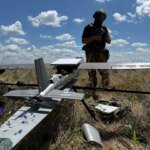
As for specialists in operating drones, electronic warfare, and artillery, they will be able to sign contracts of up to 24 months.
What drew attention to the new system was what the Ukrainian Defense Minister announced that foreigners would constitute between 30% and 50% of infantry and offensive units in the future.
This number reflects the scale of the crisis facing Kiev, but it also reveals an important shift in the structure of the Ukrainian army, which has historically relied on its citizens to fight.
Kyiv
You look To foreign fighters as a military necessity imposed by the circumstances of war
Observers believe that the success of this plan will depend on several factors, most notably Ukraine’s ability to finance significant increases in military spending, the extent of continued Western support, as well as its ability to attract thousands of foreign fighters and integrate them into a military institution that is fighting one of the bloodiest and most exhausting wars in Europe since World War II.
While Kiev views foreign fighters as a military necessity imposed by the circumstances of war, critics believe that the increasing reliance on this category may be an indication of the depth of the human crisis that Ukraine faces in the face of Russian numerical superiority along a front extending more than 1,000 kilometers.