Published on 6/23/2026
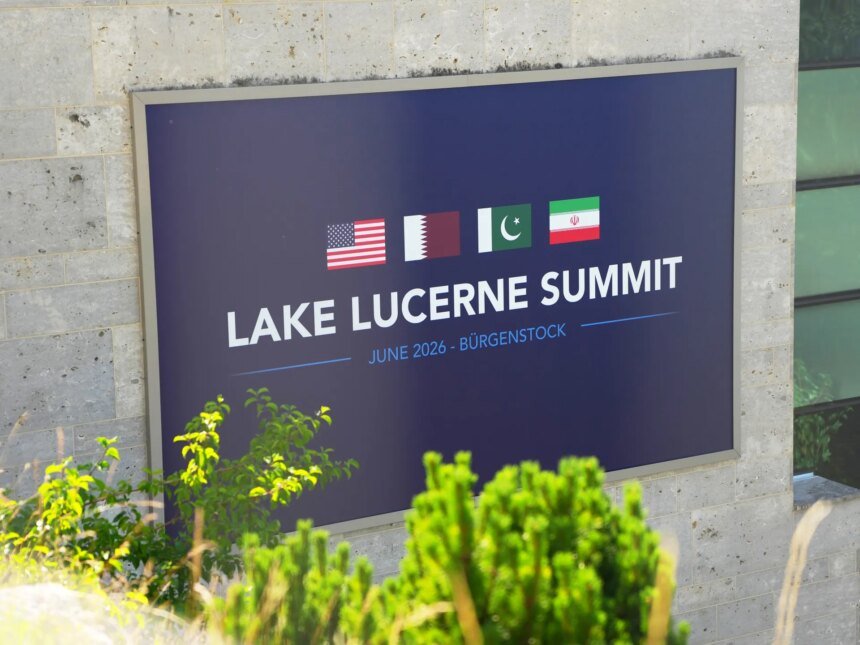
The Swiss discussions between the United States and Iran, in the presence of mediators, resulted in the establishment of new mechanisms that reflected the presence of a political will to save the “Memorandum of Understanding” signed between Washington and Tehran from collapse, but challenges remain, especially those imposed by controversial issues, and the attempts of some parties to obstruct the negotiating path.
A report by Al Jazeera, prepared by our colleague Farah Al-Zaman Shawqi, explains the mechanisms that established the Swiss discussions, which aim to implement the provisions of the “Memorandum of Understanding” and develop a road map for work during the next 60 days of the anticipated discussions.
The Iranians say that the quadripartite discussions between Iran and the United States, in the presence of Qatar and Pakistan, discussed implementing the terms of ending the war, suspending oil sanctions, and releasing frozen assets.
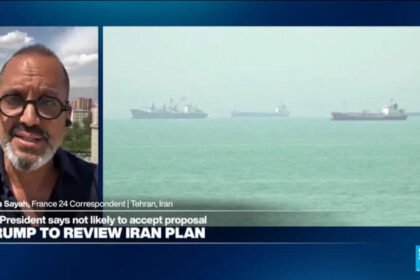
Failure to implement some pledges may mean an early collapse of the agreement, specifically in light of the Israeli bombing of Lebanon, which required the closure of the Strait of Hormuz even after the announcement of the understanding with Washington.

What is the agreement?
The meeting between Tehran and Washington, in the presence of mediators, focused on setting a framework for work during the next 60 days, that is, engineering the ground for the upcoming negotiations on issues that will not be easy.
According to a Pakistani-Qatari statement, the participants in the discussions agreed to form the following:
- A high-level committee politically supervises mediation efforts
- Groups to follow up on the nuclear file and sanctions
- Groups to resolve disputes and ensure enforcement of the terms
- A communication channel to avoid accidents and ensure safe transit in the Strait of Hormuz
- Another group to prevent clashes and stop military actions in Lebanon
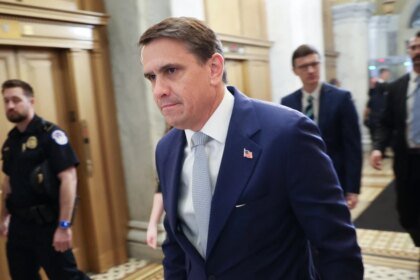
The Americans and Iranians agreed that the Swiss discussions were successful and could be built upon, which is what J.D. Vance, the US Vice President and head of his country’s negotiating delegation, indicated by saying that everyone succeeded in setting a framework to build upon, describing this framework as a good basis for the final agreement.
American specifiers
The Al Jazeera report indicates that the agreement depends first on what will be discussed nuclear issues. The American addresses in the next stage are:
- Enrichment file
- Highly enriched uranium stock
- Verification and control mechanisms
- The Strait of Hormuz remains open
Washington agreed to lift the blockade on Iran in exchange for opening the Strait, and those present at the Swiss talks succeeded in developing a mechanism to ensure that the Strait of Hormuz remains open, that mines are removed from it, and that any potential friction is avoided.
Iranian determinants
As for the Iranian side, there are also limitations, which are:
- Ending the war in Lebanon
- Discussing the issue of lifting sanctions.
- Selling Iranian oil and issuing exemptions for its export
The Governor of the Central Bank of Iran, Abdel Nasser Hemmati, confirms that remarkable progress has been made regarding the release of Iranian assets, which is also one of the Iranian conditions related to the first phase of implementing the memorandum of understanding with America.
Challenges
The Al Jazeera report points out that there is a political will to resolve the issues, as stated by the mediators, but the challenges remain many, which was confirmed by the Qatari Prime Minister and Foreign Minister Sheikh Mohammed bin Abdul Rahman bin Jassim Al Thani, who said that the memorandum of understanding is based on commitment to meetings and resolving dilemmas, with the need to be careful of what he described as external circumstances and parties that may sabotage the negotiation.
The challenges are also linked – according to the Al Jazeera report – to a crisis of confidence between Iran, which insisted on addressing its concerns, so the road map in Switzerland resulted in an effort by mediators to dispel this concern, and between the United States, which insists on a “step for step” policy, which made the map include mechanisms to ensure Iranian commitment to implementing the provisions.