Published on 6/22/2026
|
Last update: 22:57 (Mecca time)
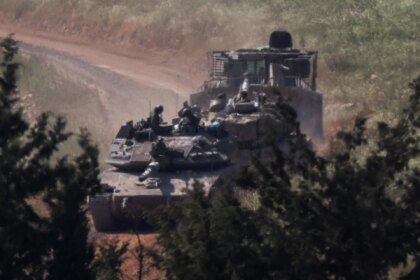
The New York Times reported, citing Israeli officials, that the Israeli military leadership issued new instructions requiring military operations in Lebanon to be limited to a defensive framework only, while Israeli media reported that a decision had been taken to withdraw “alertness teams” from the north after the ceasefire with Lebanon.
This is accompanied by the entry into force of a what is described as a fragile ceasefire with Hezbollah within the framework of the current negotiating track between the United States and Iran and related regional files.
According to these Israeli instructions, forces are prohibited from initiating fire unless they face a direct threat, unless special permission is issued by the Army Chief of Staff.
The orders also prohibit firing warning shots at civilians trying to return to southern Lebanon “unless they approach soldiers,” in addition to prohibiting targeting homes or destroying infrastructure within the so-called security zone without the approval of senior military leadership.
The New York Times also reported that these measures come in light of a fragile commitment to the ceasefire between Israel and Hezbollah, with a clear direction to reduce field friction and reduce the possibility of escalation.

“Routine defensive approach”
On the other hand, Yedioth Ahronoth newspaper reported that the Israeli army decided to demobilize the “guard teams” or what are known as “alertness teams” in the towns of the north, starting next week, in a step that reflects the change in security assessment with the ceasefire with Lebanon.
Israeli Channel 12 also revealed that these teams were informed of the date of their demobilization next Sunday, as part of the army’s transition to what it described as a “completely routine” defense policy.
This step includes terminating the work of thousands of personnel who were forming a first line of response in the border settlements, whose number is estimated at approximately 13,500 personnel according to previous data from the Israeli “Reshot” website.

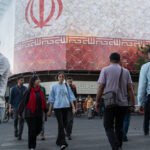
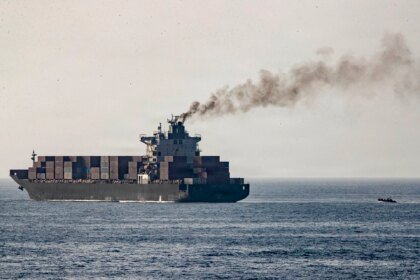
These developments come in light of broader transformations in the regional scene, with the start of a negotiating process between the United States and Iran following the signing of a memorandum of understanding on June 18, which included stopping the fighting on several fronts, including Lebanon, in addition to provisions related to freedom of navigation and energy supplies.
Rejecting positions
Despite this, a number of Israeli officials, led by Prime Minister Benjamin Netanyahu, Defense Minister Israel Katz, and Chief of Staff Eyal Zamir, confirmed that Israel will not withdraw from the “security zone” in Lebanon, which is what keeps the escalation going despite the ceasefire.
Israeli National Security Minister Itamar Ben Gvir also reignited the controversy by calling for “burning Lebanon,” in a new escalation from one of the most extreme voices within the Israeli government.
On the other hand, Hezbollah Secretary-General Naim Qassem confirmed earlier that the party will deal as it deems appropriate with any Israeli violation.
Qassem pointed out that any ceasefire that gives Israel freedom of military action is considered a continuation of the aggression, in reference to the party’s reservations about the nature of the existing understandings, especially the Lebanese-Israeli discussions.
Support the ceasefire
Later today, an American official told Al Jazeera that Secretary of State Marco Rubio, last Friday, held contacts with both Lebanese President Joseph Aoun and Israeli Prime Minister Benjamin Netanyahu, as part of efforts to consolidate the ceasefire and advance the course of the talks.
The official added that US Central Command has begun activating a monitoring mechanism inside Lebanon, with the aim of providing US officials with accurate and updated information about developments in the fighting there.
Since March 2, Israel has launched an aggression against Lebanon, killing 4,175 people and wounding 12,164 others, in addition to the displacement of more than a million people, according to Lebanese data.
Israel has been occupying areas in southern Lebanon, some of them for decades, and others since the war between 2023 and 2024, while during the current aggression it penetrated more than 10 kilometers into Lebanese territory, in its deepest advance since its withdrawal from the south in 2000.
At the international level, United Nations spokesman Stephane Dujarric stated that the United Nations Interim Force in Lebanon (UNIFIL) continues to monitor Israeli military activities within its area of operations, including armored movements, engineering and logistical work, in addition to recording continuing Israeli air violations of Lebanese airspace, albeit at a lower rate compared to previous periods.