Published on 6/22/2026
|
Last update: 20:56 (Mecca time)
Political tensions between the United States and its allies, the Iranian nuclear file, and the repercussions of international wars and conflicts have topped the headlines of international newspapers following the transformations of the political and economic scene.
From the disputes between Washington and Rome to the future of the agreement with Tehran, through to the future of NATO and the elections in Latin America, newspapers monitored profound transformations in international relations amid fears of new crises and escalating economic and security impacts.
During a press tour on Al Jazeera, the topics covered by the most prominent international newspapers varied between reading the repercussions of the Italian-American dispute, and the future of the nuclear negotiations between Washington and Tehran, in addition to Israeli concern about any possible agreement with Iran, and the controversy within NATO, all the way to political transformations and social crises in Colombia and South Africa.
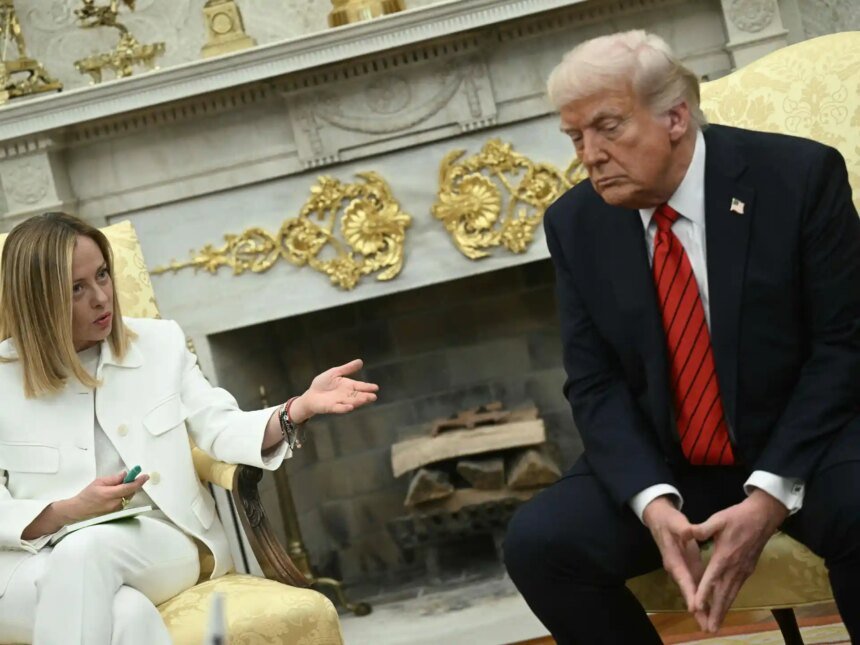
The French newspaper Le Monde discussed the escalating tension between Italian Prime Minister Giorgia Meloni and US President Donald Trump, noting that the various political movements in Italy stand behind Meloni in this dispute, but at the same time they are concerned about its economic repercussions.
The newspaper said that Italian concerns are linked to the fact that the United States represents Rome’s first trading partner outside the European Union, which makes any political tension between the two countries carry direct risks to economic interests.
Le Monde quoted experts as saying that Meloni’s positions toward Trump reflect a defense of “wounded national pride,” considering that the dispute may leave effects on the relationship between the two countries, despite the strength of the historical and strategic ties that unite them.
Washington and Tehran negotiations
Regarding the Iranian file, the Wall Street Journal quoted American officials as saying that the negotiations between Washington and Tehran discussed various elements of the nuclear agreement, including the future of the enriched uranium stock and enrichment levels.
The newspaper explained that Iran has expressed its willingness to reduce enrichment levels and stop activities related to it for approximately ten years, while the United States is demanding that these restrictions be extended to twenty years.
In return, Washington offers incentives to Tehran, including broad easing of sanctions, allowing the marketing of Iranian oil, in addition to the release of billions of dollars in frozen Iranian assets.
The newspaper believes that the negotiations are not limited to the technical aspect of the nuclear program, but rather are linked to reshaping the relationship between the two parties after years of tension and sanctions.
In an analysis published by the New York Times, the newspaper discussed the repercussions of the confrontation with Iran, considering that four months of war did not end the basic dangers posed by Tehran.
The analysis indicated that the US President used military force in an attempt to achieve political and security goals, but he was unable to achieve the desired results, which may give Iran an opportunity to draw lessons about how to deal with American pressure in the future.
The newspaper believes that the military confrontation alone has not ended Iran’s ability to maneuver, and that the next stage may witness Tehran relying on different methods of managing the conflict.
Fears of undermining peace
The Economist magazine asked: Will Israel undermine any American peace agreement with Iran?
The magazine explained that any Israeli move against a possible agreement with Tehran may put Tel Aviv in a confrontation with its most important ally, the United States.
The magazine believes that the region is going through a sensitive moment, especially for Israel and Lebanon, as a ceasefire may mean the survival of a large part of Hezbollah’s arsenal, and if drones are used again, Israel may respond forcefully, which may open the door to a new confrontation.
She also indicated that Israeli concern is related to what Tel Aviv considers to be restrictions that any American-Iranian understanding might impose on its ability to act, especially in the Lebanese file.
As for the British newspaper The Independent, it discussed American criticism of NATO, especially the statements of the US Secretary of Defense regarding the weak contributions of some European countries.
The newspaper said that these criticisms ignore European steps that have already begun to enhance defense capabilities, including increasing military spending, developing war industries, and working on advanced weapons systems.
She added that the US Department of Defense’s assessment of the performance of European allies seems disconnected from the transformations taking place on the continent, especially after the war in Ukraine and the escalation of security concerns.
The newspaper believes that Europe has begun to reevaluate its defense role, but it faces challenges in achieving greater independence from the American military umbrella.
Colombia and the rise of the far right
In Latin America, The Guardian newspaper reported on the victory of right-winger Abelardo de la Esparía in the Colombian presidential elections, noting that his program is based on a more stringent approach in dealing with armed groups and the drug trade.
The newspaper explained that the president-elect enjoys American support in this path, especially with the continued cocaine trade as one of the most prominent drivers of violence and instability in the country.
The newspaper believes that the political transformation in Colombia reflects the rise of trends calling for more stringent security solutions to confront internal crises.
The tour concluded with a report from Bloomberg about the migrant crisis and economic pressures in South Africa.
The site indicated that a gathering that began with about 70 migrants from Malawi searching for refuge turned into an informal camp containing approximately 10,000 people north of the city of Durban.
This gathering has become one of the manifestations of the immigration crisis in the country, amid escalating feelings of hostility towards immigrants, at a time when South Africa is facing worsening economic crises, including recession, high unemployment, and a declining level of public services.
This issue reflects the intersection between economic and social crises and migration, in a country trying to deal with increasing internal and external pressures.