WASHINGTON — The Supreme Court on Tuesday ruled against a devout Rastafarian who sought damages after Louisiana prison officials cut his dreadlocks despite his claim that it violated his religious rights.
Subscribe to read this story ad-free
Get unlimited access to ad-free articles and exclusive content.

The court ruled 6-3 that Damon Landor cannot seek damages under a law called the Religious Land Use and Institutionalized Persons Act, or RLUIPA. The court was divided along ideological lines, with conservatives in the majority and liberals dissenting.
The ruling saw the conservative majority depart from its regular support for religious claims, although recent high-profile wins tended to involve conservative Christians.
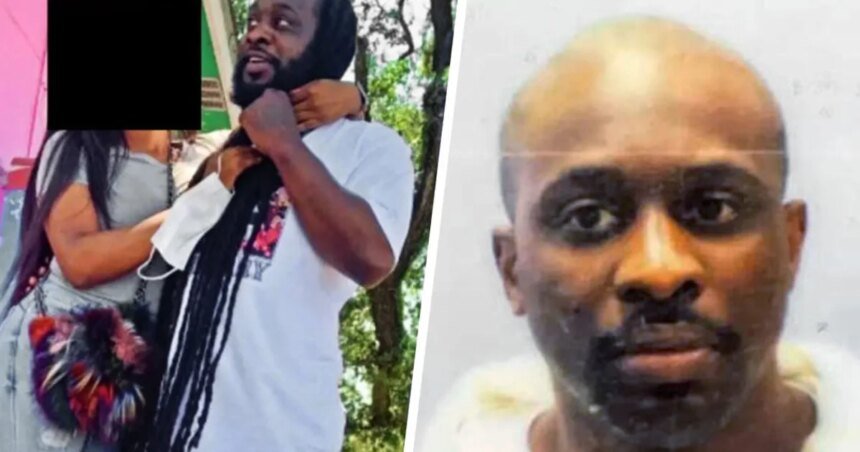
The underlying incident took place in 2020 at the Raymond Laborde Correctional Center, where Landor was moved while serving a five-month sentence on a drug-related charge.
Officers handcuffed Landor to a chair and shaved his head despite his protestations. Beforehand, he had shown them a copy of a binding court ruling that said it would be a religious rights violation to cut a Rastafarian’s dreadlocks.
Prior to the incident, he had not cut his hair for 20 years, in accordance with a practice known as the Nazirite vow.
Writing for the majority, conservative Justice Neil Gorsuch said that RLUIPA, which applies to any local prison that accepts any federal funding, does not allow for claims against individual officials.
The only way the suit could go forward would be if the officials had consented to face liability under the federal law, and they had not, Gorsuch added.
“Mr. Landor’s case cannot proceed against them any more than a breach of contract action might proceed against a defendant who never formed a contract,” he wrote.
In dissent, liberal Justice Ketanji Brown Jackson said the entire purpose of RLUIPA is to “ensure that state and local prisons respect prisoners’ right to religious exercise.”
But the Supreme Court has now effectively eviscerated the provision that had allowed prisoners to bring lawsuits, she added.
“Prisoners like Landor who suffer violations of their religious freedom in state prisons — no matter how blatant — will often be left remediless,” she added.
The state did not contest that Landor was mistreated and said in court papers that the prison system has changed its grooming policy to ensure that other Rastafarian prisoners do not face similar situations.
Landor’s lawyers had asked the Supreme Court to rule that damages should be allowed under RLUIPA, citing a ruling in 2020 that said damages are available under a similar law called the Religious Freedom Restoration Act.
But Louisiana argued that it should not be liable for damages because RLUIPA applies to federal, not state, officials.
Lower courts had sided with Louisiana, leading Landor to appeal to the justices.