Published on 6/20/2026
Leaders from Africa and the Caribbean, at a meeting in Ghana on Friday, urged countries formerly involved in the slave trade to offer apologies and reparations for the trafficking of enslaved Africans.
This followed a landmark UN resolution in March that declared it was “the most serious crime against humanity” and called for a good-faith dialogue on reparative justice and the return of looted cultural property without compensation. The adoption of the resolution sparked widespread “international division and popular reaction.”
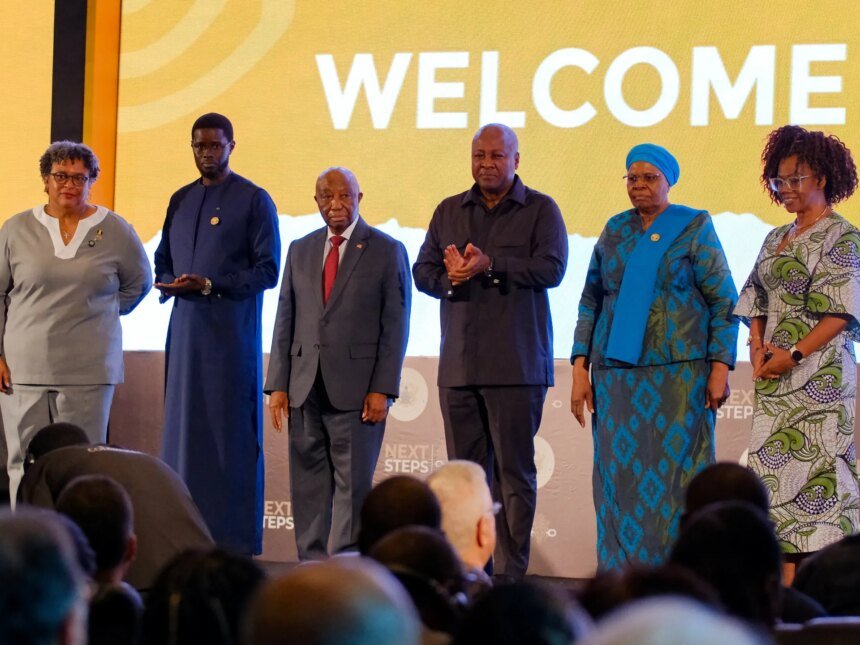
The “Next Steps” conference, in the Ghanaian capital, Accra, issued a declaration calling on countries involved in the transatlantic slave trade to offer full, formal and unconditional apologies as a foundational step towards reconciliation, confidence-building and reparative justice.
It is noteworthy that the United Nations resolution is non-binding, but it carries moral authority.

compensation
Organizers said the Ghana conference was aimed at moving the reparations discussion from recognition to concrete action, including moves to demand compensation under international law.
The path of reparations reached a turning point last March, when the United Nations General Assembly adopted a resolution with a majority of 123 votes, the first resolution in the organization’s 80-year history devoted exclusively to slavery and the transatlantic slave trade.
About 12 million Africans were taken by force by European traders from the sixteenth to the nineteenth centuries, and were enslaved on plantations that created wealth at the expense of misery.
Ghana’s President John Dramani Mahama said the UN resolution created a new opportunity for meaningful engagement with reparations.
He added that the effects of slavery are still being felt throughout Africa, the Caribbean and African communities more broadly.
“We are here because recognition creates responsibility, and because the lasting consequences of this history continue to require international, coordinated and sustained engagement,” Mahama assured delegates from more than 80 countries.
The stakes of the file go beyond its historical dimension to geopolitical dimensions, as the Ghanaian president links the issue of compensation to rebalancing Africa’s position in the international system.
He had called for the continent to be given a permanent seat in the UN Security Council, considering that the current arrangement was “excessive and unfair,” in a call that has resonated since the speech of the late leader Nelson Mandela in 1995, according to the “News Ghana” website.