Published on 6/19/2026
The mergers and acquisitions market in the Middle East and North Africa is facing a recovery period that may extend for months after the end of the war between the United States and Iran, in light of the continued state of caution among investors and financiers regarding the geopolitical risks revealed by the recent crisis, according to a report published by the Zawya platform.
The report explained that negotiating activity in the region gradually returned after the signing of the memorandum of understanding between Washington and Tehran, but many of the deals that were postponed during the war period still need time before they return to their normal course, as investors continue to re-evaluate regional risks and their repercussions on evaluations and financing.
The report quoted bankers and consultants specializing in deals that the state of uncertainty that accompanied the closure of the Strait of Hormuz and the disruption of trade and energy movement led many companies to freeze acquisition decisions or postpone advanced stages of negotiation, especially in the sectors most closely linked to international trade and supply chains.
However, the report indicated that the foundations of investment activity in the region are still in place, supported by financial surpluses in Gulf sovereign funds and economic diversification programs in the Gulf states, which may help to resume deals once concerns related to geopolitical risks recede.

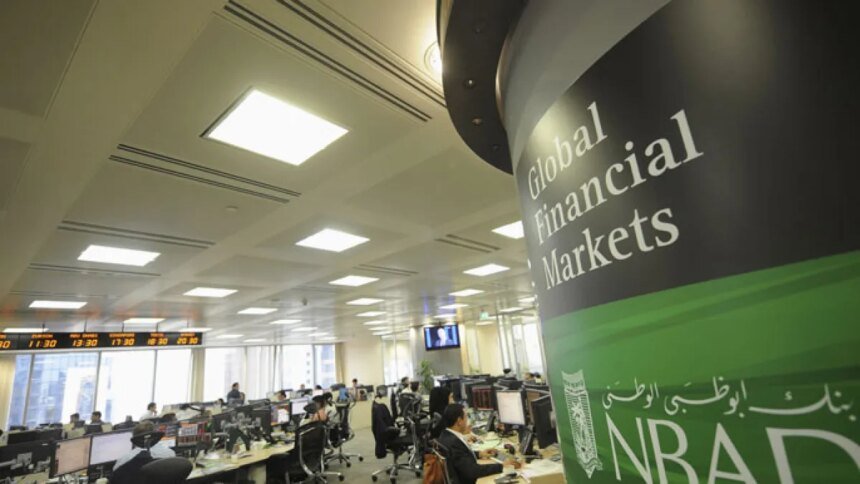
The Gulf stands out as the main driver of merger and acquisition activity in the region, as sovereign funds and major companies have continued to implement local and cross-border expansion strategies in recent years, while Saudi Arabia and the UAE topped most of the major deals in the Middle East.
According to the report, the greatest impact of the war was not the cancellation of deals as much as it slowed down the decision-making process and raised requirements for due diligence and risk assessment, which is likely to prolong the deal-concluding cycle during the second half of this year. The return of activity to pre-war levels will depend to a large extent on the stability of the security situation in the Gulf and the continued flow of financing to regional markets.
The report added that international investors still view the region as an attractive market in the long term, but the recent war has led them to give the geopolitical risk factor greater weight in investment and expansion decisions, which may be reflected in the pace of completing deals in the coming months.