Published on 6/19/2026
The Iranian Foreign Ministry announced the postponement of the meeting that was scheduled for today, Friday, in Switzerland, between Iranian and American officials, at a time when Pakistan confirmed that there are no obstacles to the start of negotiations in Switzerland.
Iranian Foreign Ministry spokesman Ismail Baghaei announced the postponement of the meeting, explaining that Iran is not in a rush to hold this meeting after signing the text of the memorandum of understanding with the United States.
However, he confirmed that Tehran is planning to hold a meeting, in the coming days, to negotiate with the American side, explaining that the progress of negotiations related to the US-Iranian agreement “will depend on the commitment to implement the terms of the memorandum of understanding.”
Baghaei said that consultations regarding the next stage of negotiations to formulate the final agreement between Tehran and Washington are taking place through mediators, and that the details will be announced if the necessary conditions are created to begin negotiations.
For his part, Iranian Foreign Minister Abbas Araqchi – in a phone call today, Friday, with his Pakistani counterpart, Muhammad Ishaq Dar – held Washington responsible for ending the war on all fronts, including Lebanon.
During his conversation with his Pakistani counterpart, Araqchi warned of the repercussions of any violation of the obligations of the memorandum of understanding signed last Wednesday evening between Washington and Tehran.

Calming the Lebanon front
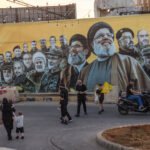
Iranian officials did not go to Switzerland as planned due to the failure of Israeli military operations in Lebanon, according to what some sources confirmed to CNN.
In this context, the American network reported that Iran requested guarantees regarding stopping the Israeli attacks on Lebanon before the start of negotiations with the United States in Switzerland.
The network reported – citing a diplomat familiar with the file – on Friday – that the Iranians demanded guarantees confirming an end to the fighting in Lebanon, as stipulated in the signed agreement.
The Israeli raids on Lebanon – in which dozens of Lebanese were killed today alone – hamper the negotiations, given that ending the fighting in Lebanon is one of the conditions of the broader US-Iranian agreement.
In light of these developments and the escalation of Israeli attacks on Lebanon, uncertainty surrounds the fate of the American-Iranian negotiations in Switzerland regarding the Iranian nuclear program.
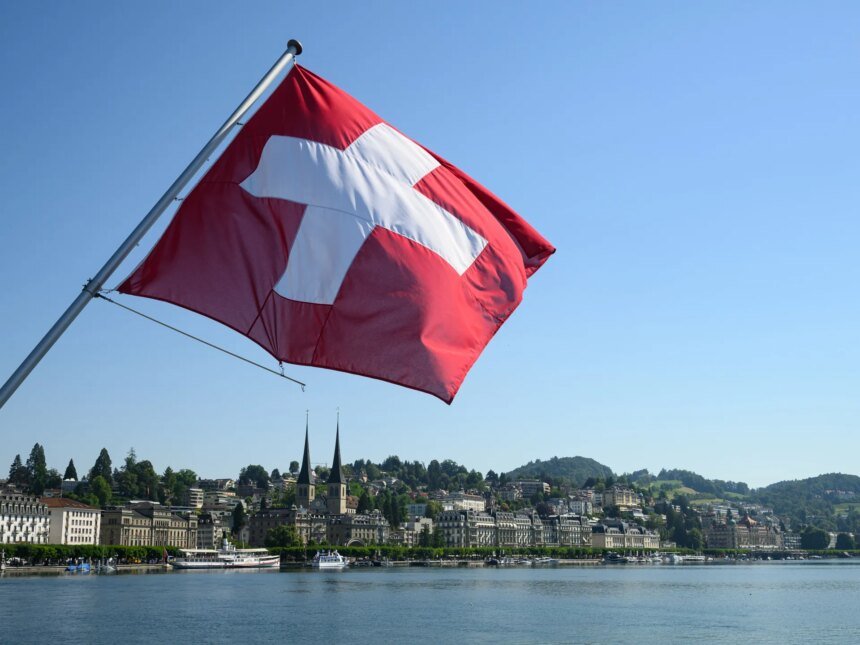
Today, Friday, Switzerland was scheduled to host a meeting between representatives of the United States and Iran. But the meeting did not see the light of day following repeated statements regarding its postponement.
The Swiss Foreign Ministry announced the cancellation of the meeting scheduled for Friday in the Bürgenstock resort, but expressed its readiness to facilitate it, stating that the relevant preparatory work is “continuing.”
Yesterday, Thursday, the United States announced the postponement of the visit of US Vice President J.D. Vance to Switzerland, despite his confirmation of the continuation of preparations for the upcoming technical discussions with Iran.
No obstacles
Yesterday, Thursday, Pakistani Prime Minister Shehbaz Sharif postponed his visit to Switzerland after signing the US-Iranian memorandum of understanding remotely.
Commenting on the postponement of the talks in Switzerland, Pakistani Foreign Minister Muhammad Ishaq Dar confirmed on Friday that there are no obstacles to the start of the Swiss negotiations.
Ishaq Dar stressed the need to complete negotiations between Washington and Tehran within 60 days, as stipulated in the signed memorandum of understanding.
Regarding the reason for not starting the Swiss negotiations, the Pakistani Foreign Minister indicated that this is “related to the preoccupation of Iranian officials with the rituals of the month of Muharram.”
On Wednesday evening, US President Donald Trump and his Iranian counterpart, Masoud Pezeshkian, electronically signed a memorandum of understanding that paves the way for ending the war that Washington and Tel Aviv started against Iran on February 28.

The interim agreement stipulates that the United States and Iran announce an immediate and permanent cessation of military operations on all fronts, including in Lebanon.
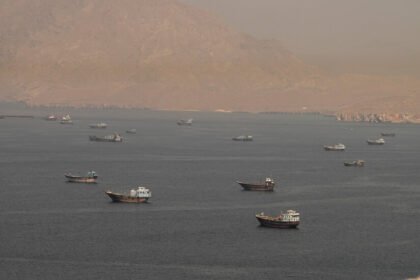
Pakistan – which led the mediation efforts – announced that the memorandum would enter into force, with Iran beginning to reopen the Strait of Hormuz to navigation, in exchange for the United States beginning to lift the naval blockade imposed on Tehran since last April.