The first signs of a post-war recovery are emerging across the Middle East after the U.S. and Iran signed a memorandum aimed at ending the conflict. Oil tankers are once again transiting the Strait of Hormuz, and daily routines are returning to the streets of Tehran.
Here are some images related to the deal:
Strait of Hormuz
The U.S. Navy ended its blockade of Iranian ports and coastal waters following the signing of a U.S.-Iran memorandum aimed at ending the conflict, with U.S. Central Command saying all enforcement operations related to the blockade have ceased.
Under the agreement, Iran is required to allow commercial vessels to transit the Strait of Hormuz toll-free for 60 days.
As of Thursday, three supertankers from Saudi Arabia loaded with 6 million barrels of oil have crossed the Strait of Hormuz, according to data from the global trade intelligence firm Kpler.
In this picture obtained from Iran’s ISNA news agency on June 18, 2026, vessels are seen anchored in Bandar Abbas along the Strait of Hormuz.
Amirhossein Khorgooei | Afp | Getty Images
Commercial vessels and oil tankers preparing to transit through the Strait of Hormuz, one of the most critical strategic waterways for global trade flows, maintain their wait in the Gulf of Oman, on June 17.
Anadolu | Anadolu | Getty Images
Iran after the MOU
The residents of Tehran are returning to more normal activity levels.
Streets and public squares in Tehran appeared to return to normal on June 18, as hopes grow for economic recovery following the signing of a memorandum of understanding between the U.S. and Iran.
Anadolu | Anadolu | Getty Images
Streets and squares reflect a sense of normalization in Tehran.
Anadolu | Anadolu | Getty Images
JD Vance says U.S. isn’t giving Iran ‘a cent’
As the agreement begins to reshape conditions on the ground, U.S. officials have sought to defend its terms. Vice President JD Vance on Thursday said Tehran would receive no direct U.S. funding and that any economic relief would be contingent on Iran fulfilling its commitments under the accord.
U.S. Vice President J.D. Vance speaking during a press briefing in the James S. Brady Press Briefing Room at the White House in Washington, D.C., United States.
Anadolu | Anadolu | Getty Images
Vance’s comments came as the White House faced Republican backlash over whether Trump gave Iran too much in a 14-point memorandum of understanding that includes sanctions relief, access to frozen funds and a proposed $300 billion reconstruction plan.
“The only way the Iranians get any of these resources … is if they comply fully” with the terms of the deal.
Anadolu | Anadolu | Getty Images
Israel-Lebanon state of play
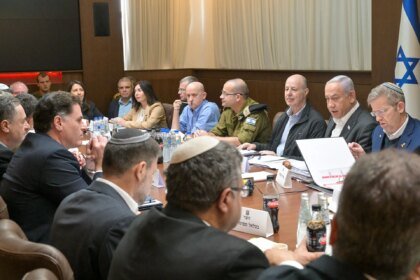
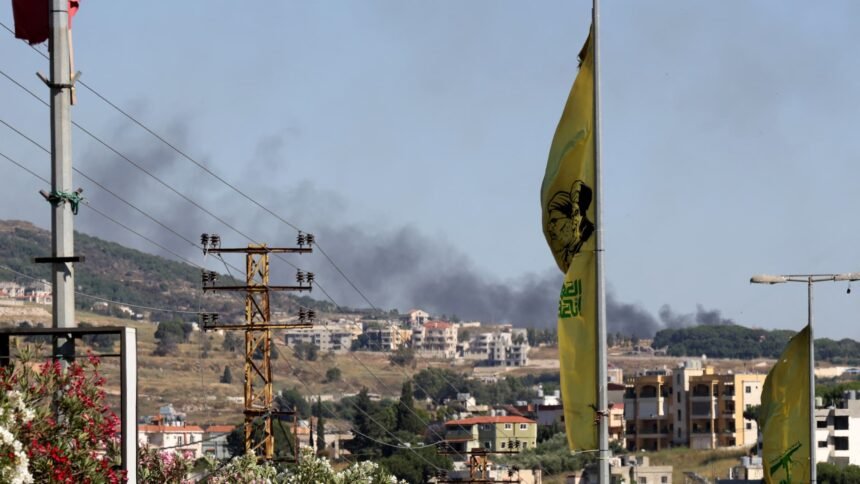
Israel is not a party to the peace deal. The country’s conflict with Hezbollah has strained U.S.-Iran negotiations, drawing a recent rebuke from Trump regarding the military campaign in Lebanon.
The Israeli military said it will continue operating in southern Lebanon and “remove threats” beyond its so-called security zone, after the U.S. and Iran signed an agreement to end the Middle East war
Mahmoud Zayyat | Afp | Getty Images