Published On 4/26/2026
Jared Cohen, director of global affairs at the American bank Goldman Sachs, said that the Gulf countries are looking for alternatives to exporting oil and natural gas away from the Strait of Hormuz, while bankers and analysts warned that huge Gulf investments in North America and Europe are at risk of stopping in light of the repercussions of the US-Israeli war on Iran.
The American newspaper “Wall Street Journal” quoted Cohen’s interview with the “Squawk Box” program on the American network “CNBC”, saying that he recently returned from a tour in some Gulf countries, and heard opinions issued by “influential figures” saying that shipping traffic in the Strait of Hormuz will not return to its normal state before the war, even in the long term.
Read also
list of 4 itemsend of list
The Goldman Sachs official added that there are “influential figures” in the Middle East who believe that the situation should be dealt with as if Iran possesses a “nuclear weapon” represented by its ability to control the Strait of Hormuz and close it whenever it wants.
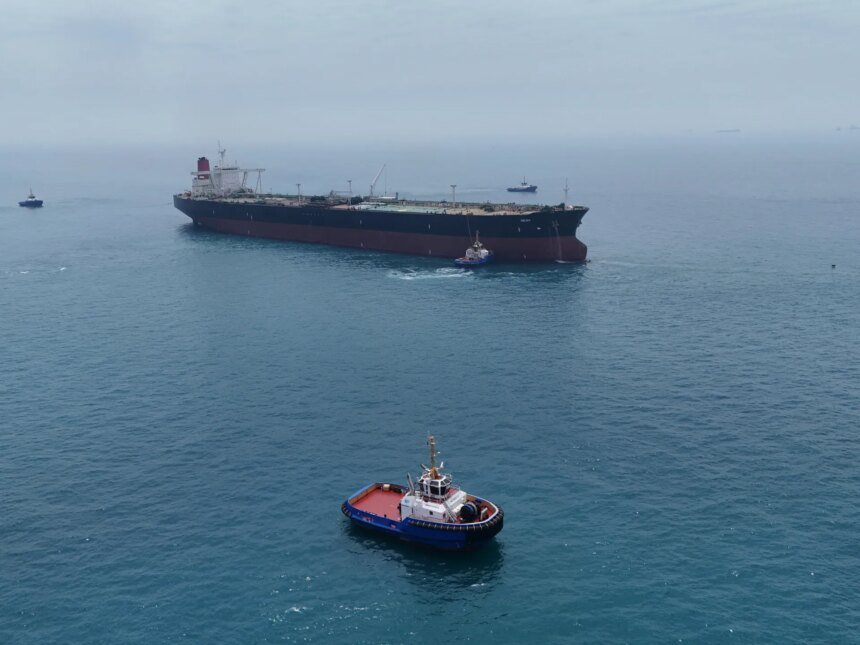
About 20% of the world’s supplies of oil and natural gas pass through the strait, which has wide implications for the global economy.
Cohen said, “Unless the Iranian regime completely collapses, which I believe will not happen, the Strait of Hormuz will not return to the situation it was before,” explaining that ship movement may return, “but the Iranians will most likely maintain partial or unilateral control of the strait.”
High prices for a long time
Cohen added that under this scenario, energy prices will continue to rise for months or years, and “for this reason the countries of the region have remained united, instead of negotiating separately with Iran,” and he continued, “They are trying to buy time to find other outlets for their oil and gas exports,” especially through the Red Sea or the Arabian Sea.
According to Cohen, many decision-makers in the Gulf believe that “addressing all the root causes of this war is far-fetched and risky,” and some of them hope that a ceasefire agreement will be reached between the United States and Israel on the one hand and Iran on the other hand, even if it is a “fragile agreement.”
This hoped-for “fragile peace,” according to Cohen, includes the partial return of shipping traffic to the Strait of Hormuz, “although the Iranians are able to close it at any time and for any reason.”

Investments at risk of stopping
In a context related to the repercussions of the war on the global economy, the British newspaper “Financial Times” reported that the implementation of about $106 billion worth of deals in North America and Europe depends on the flow of investments from the Gulf, according to data from the “PitchBook” market analysis platform, and it now faces the risk of not being completed as the war on Iran continues.
The newspaper added that Gulf investors pumped about $120 billion into deals in North America and Europe last year, according to data from the Dealogic financial analysis website, but Gulf sovereign funds are now reviewing their investment strategies after bearing the burden of confronting Iranian attacks during the war, according to what analysts, officials and bankers explained to the newspaper.
The British newspaper quoted a “Gulf official” as saying that the Gulf Cooperation Council countries are now re-evaluating their current and future investment commitments in order to deal with the economic repercussions of the war and the unrest it caused.
The role of sovereign funds
The newspaper pointed out that the Gulf region includes 6 of the 10 largest sovereign funds in the world, and the total value of its wealth is estimated at about 5 trillion dollars, and it has contributed to financing many giant projects around the world.
She added that the Gulf countries contributed about half of the global sovereign investments in 2025, investing $126 billion in various sectors, including artificial intelligence, entertainment and financial services, according to data from the Global SWF website, which specializes in monitoring and analyzing sovereign investment data.
The newspaper quoted bankers as saying that they expect the Gulf countries to suspend some of their investments, even temporarily, to give priority to the local economy.