Published On 4/26/2026
The head of the Iranian Interests Section in Cairo, Mojtaba Ferdowsipour, confirmed that the return of Iranian Foreign Minister Abbas Araqchi to Pakistan after his visit to the Sultanate of Oman carries implications related to intensifying diplomatic efforts and preparing the ground for a new round of indirect negotiations with the United States.
Ferdowsi Pour explained, in statements to Al Jazeera Mubasher, that Pakistan is no longer just a mediator, but has become a partner at this stage, by presenting new initiatives and proposals in coordination with the political and military leadership in Islamabad, indicating that the consultations with the Pakistani side aim to formulate a possible agreement between Tehran and Washington.
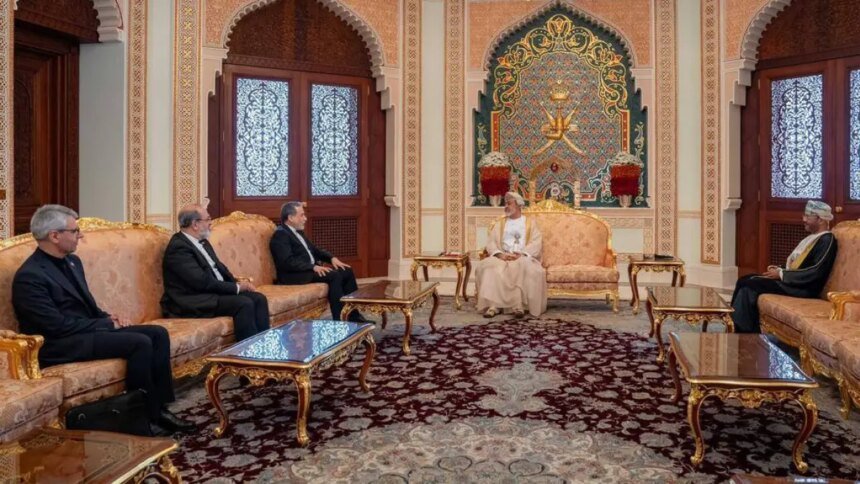
He added that Araqchi’s visit to the Sultanate of Oman falls in the same context, considering Muscat a reliable mediator with Iran, which, according to him, reflects a trend to strengthen the role of regional mediators and advance the diplomatic path to resolve the crisis.
He stressed that Tehran is awaiting the United States’ response to new papers and conditions conveyed through the Pakistani mediator, indicating that the ball is now in Washington’s court, and stressing Iran’s seriousness in reaching an agreement similar to what was achieved in 2015 with the (5+1) group, provided that there is political will.
The Iranian diplomat revealed his country’s most prominent “red lines” in any negotiations, most notably the refusal to accept a state of neither war nor peace, and the necessity of completely ending the war in the region, in addition to lifting the naval blockade, which he described as “piracy,” stopping threats, and ensuring that no aggression is repeated during the negotiations.
Iranian conditions, according to Ferdowsi Pour, also include the complete lifting of sanctions, the release of frozen financial assets, and respect for Tehran’s nuclear rights, in addition to emphasizing its role in managing the Strait of Hormuz.
In response to questions about not resorting to direct negotiations, he explained that Tehran does not trust face-to-face negotiations with the United States, citing previous experiences in which he said that Washington backed away from understandings after leaving the negotiating halls, which prompts Iran to prefer mediation to ensure the presence of witnesses to any agreement.
In a related context, Ferdowsipour touched on the nature of the support that Iran receives from Russia and China, explaining that it is mainly focused on the political and diplomatic side, especially in the Security Council, with military cooperation within long-term agreements, but he stressed that Tehran relied mainly on its own capabilities during the recent confrontation.
He stressed that the ongoing diplomatic movements, whether through Pakistan or the Sultanate of Oman, reflect the presence of indications of the possibility of reaching a political solution, despite the complexities of the scene and the continued state of anticipation for Washington’s response to the Iranian proposals.