The next global energy shock will be measured not at the wellhead, but at the airport gate. While the conflict in and around Iran is reshaping the risks in the Gulf region, the most pressing and under-reported outcome is not crude oil supplies, but jet fuel.
This fuel, which is the lifeblood of global movement, is quietly turning into one of the most volatile and economically influential sectors of the energy system.
Unlike crude oil, its effects are almost immediate, not only on energy markets, but on ticket prices, trade flows, inflation and, ultimately, economic growth.
Since the conflict has worsened, jet fuel prices have jumped from about $85 to $90 per barrel, to range between $150 and $200, with some markets exceeding these levels for brief periods.
In retail terms, this equates to a rise from about $2.40 to $2.50 per gallon before the conflict, to between $4 and $4.75 today, with higher spikes in certain geographic areas.
In Chicago, for example, the price of jet fuel exceeded $5 a gallon, demonstrating the extent to which local constraints on supplies can exacerbate global shocks.
What is happening is not just a simple rise, but rather a comprehensive repricing. The price of jet fuel has more than doubled in many cases, far outpacing the price of crude oil, which has risen by about half that rate.
The crucial significance here is that the constraint is no longer limited to supplies, as much as it relates to the regime’s ability to refine, transport, and deliver fuel so that it is fit for use.
For airlines, where fuel typically accounts for 25% to 30% of operating costs, the impact was immediate. These companies are currently paying about $4.30 per gallon on average, with expectations of a further increase during the year.
The reaction came quickly, as airline ticket prices rose sharply, prompting airlines to warn of further increases of up to 20%, while fuel costs alone add more than $100 per passenger on long-haul flights in some markets.
However, these increases are not limited to the aviation sector alone, but are transmitted directly to the broader economy through what can be described as a movement cost shock. The aviation sector and related economic activity together contribute about $4.1 trillion to global GDP. That is, about 4% of the global economy. When flying becomes more expensive, the repercussions become immediately apparent.
These effects are particularly evident in the Gulf region, where aviation and tourism are key components of economic diversification strategies.
In the United Arab Emirates alone, aviation and related tourism contribute about $92 billion to the gross domestic product. That is nearly a fifth of the economy, and they support nearly a million jobs.
Hence, any prolonged disruption in jet fuel flows or prices directly impacts growth, employment, and financial stability in the region.
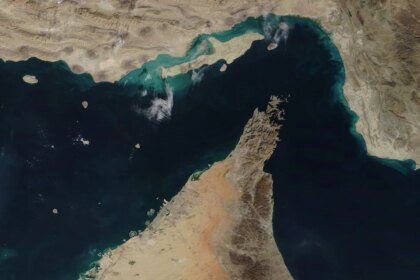
The harmful consequences of these increases begin to be affected by the Strait of Hormuz, through which about 20% of global oil and fuel flows pass, making it one of the most important narrow waterways in the global energy system.
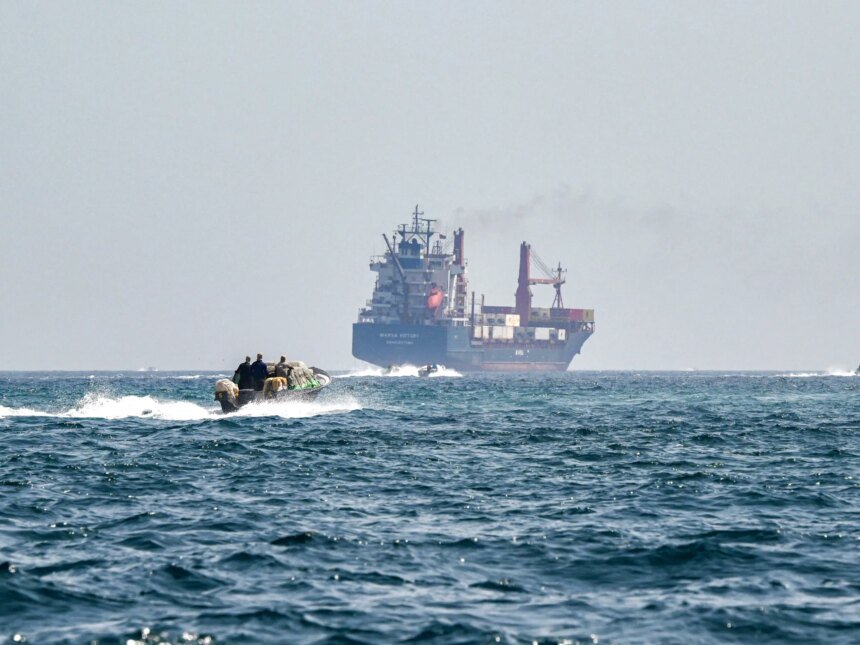
Even without closing it completely, rising tensions have already begun to disrupt transit economics; Insurance premiums rose, shipping routes lengthened, and delivery times extended, and the result was higher costs even before supplies became truly limited.
Jet fuel markets tend to amplify this effect. Unlike crude oil, which is easily traded globally, jet fuel depends on a limited number of refineries that are able to produce it according to the required specifications.
The lack of investment over the years, and the closure of refineries during the pandemic period, made the system’s production capacity limited, which enhances efficiency under normal circumstances, but creates fragility under pressure.
This fragility is now clearly visible. In Europe, which relies heavily on imported jet fuel, much of it from the Middle East, officials have warned that an actual shortage could occur within weeks if supply disruptions continue. The International Energy Agency also warned that supply gaps could emerge if alternative flows do not materialize.
For airlines, the implications are shifting from cost pressures to structural stress. In the initial phase of the shock, companies can rely on hedging and price adjustment strategies and make limited use of emergency stocks. But these stocks remain temporary.
As the conflict continues, companies have already begun to reduce routes, reduce the number of flights, and reconsider growth plans. Thousands of flights have been canceled from schedules globally in an attempt to control fuel costs and availability.. And here the economic impact deepens; Aviation acts as a mechanism for transmitting inflation.
The International Monetary Fund has described energy shocks as an “income tax,” especially for fuel-importing economies. Aviation is accelerating this effect, as higher prices reduce discretionary travel, weaken tourism demand especially in emerging markets, and air freight costs rise, increasing commodity prices and putting pressure on supply chains.
The longer the conflict lasts, the worse these effects become. What begins as a price problem turns into a network dilemma. Communication levels decline, lines are less profitable, and associated economic activities shrink, from tourism to trade.
It also highlights the risks of exceeding critical limits. If fuel prices remain high and continue to rise, demand destruction becomes likely, especially if price increases exceed the 15% to 20% currently recorded.
At the same time, financially weaker airlines, which already operate on thin profit margins, face pressure on their solvency, and there are indications in some markets that companies may suspend operations if fuel costs continue at current levels.
However, the greatest risk is not related to the price of oil, but rather to its availability; If the unrest in the Gulf begins to significantly disrupt the actual supply of jet fuel, companies may be forced to ground their planes regardless of the size of the demand. At this point, the issue is no longer an economic issue, but rather a comprehensive systemic issue.
Items that require monitoring:
- Risks of transiting through the Strait of Hormuz: Even a partial disruption increases costs and puts pressure on supplies.
- Jet fuel refining margins: Widening gaps indicate bottlenecks in refining and distribution.
- Ticket price inflation: Continued increases above 15% to 20% herald a decline in demand.
- Reducing airline capacity: Reducing routes reflects structural pressures, not just rising costs.
- Actual supply constraints: Shortages – not prices – are the real breaking point.
The cost of war is often measured in barrels and headlines, but it is increasingly measured by something more direct and realistic: rising transportation costs.
Jet fuel may represent a smaller share of the global energy system, but its role is far greater. It enables communication, supports trade, and supports entire sectors of the global economy. When it malfunctions, the effects are not gradual, but immediate and widespread.
If current conditions continue, the real danger is not limited to rising ticket prices, but rather a gradual erosion of global traffic capacity, with repercussions extending beyond the aviation sector, to reach the core of the global economy itself.
The opinions expressed in the article do not necessarily reflect the editorial position of Al Jazeera Network.