

Published On 9/7/2026
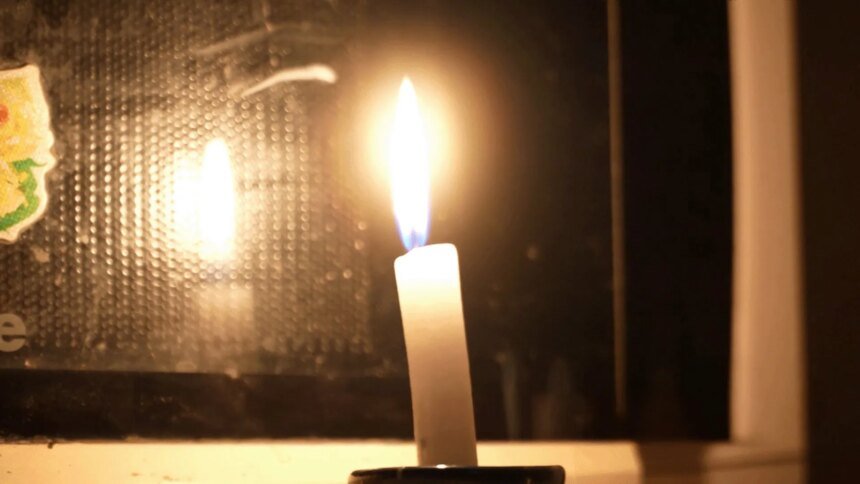
The Cuban capital, Havana, is immersed in layers of darkness following a complete and repeated power outage, accompanied by an unprecedented paralysis in the details of the residents’ daily lives.
This severe field deterioration came after the central power station and more than 100 substations went out of service in the country as a result of the cessation of oil supplies to it, amid official accusations from Cuba against the United States of tightening sanctions and imposing a stifling “energy blockade.”
Hassan Masoud says, in a report he prepared for Al Jazeera, that this crisis reality has turned the capital’s streets and sidewalks overlooking the Caribbean Sea into open shelters for families who have fled the darkness of their cramped homes, which have turned into unlivable places.
According to Adildo, a member of the Communist Party who lived through the beginnings of the revolution, the tightening of sanctions during the era of US President Donald Trump cut off everything on the island and imposed a blockade that would lead to a real humanitarian catastrophe aimed at eliminating them.
Darkness Diary
At the field level, the daily reality in Havana shows the extent of the real suffering incurred by citizens as a result of the absence of light. The people of the island tell of spending more than 48 continuous hours without electrical current, while the feeding periods do not exceed, at best, only one to one and a half hours per day. This is a pattern of interruption that the people confirm that they have not seen in their entire lives.
Citizens bitterly express this equation by pointing out that the lack of fuel resulting from the American boycott directed against the government is paid for by the simple citizen who bears the burden and suffering alone.
The scarcity of alternatives and the absence of official solutions prompted residents to devise urgent solutions to protect their sources of livelihood. Citizen Elaine, accompanied by her friend, converted her electric generator to operate using cooking gas – despite its extreme scarcity in the country – to operate her store’s refrigerator, which represents her only source of income, at the same time risking spoiling the contents of her home’s refrigerator, which remained without power.

Sidewalks are alternative shelters
In the crowded neighborhoods in the center of the capital, Havana, people try to stay outside their cramped homes to breathe some air to escape internal suffocation, but this escape collides with severe pollution of the atmosphere in those alleys, due to the residents being forced to burn their accumulated waste as a result of the severe fuel crisis that paralyzes the cleaning and waste disposal mechanisms. These are scenes that are clearly visible during the day and become more evident as night falls.
With the absence of a source of natural light, Cubans find themselves surrounded by layers of complete darkness that separates families. Citizen Piero spends his nights alone at the door of his dark residence, after he was forced to send his wife and infant son to the house of a neighbor who owns a fan that runs on a charging battery, given that the fan he bought specifically for his child does not work with the electrical charging system that was already stopped.
On the other hand, some relatively luxurious streets, whose few lights are powered by renewable energy, have been turned into open-air shelters for victims of the darkness.
Maria’s family embodies this bitter reality, as she, her sons and her first granddaughter were forced to sleep on the sidewalk of their residence and take their belongings out into the street because their dark, indoor homes were not suitable for living or sleeping.
In the face of this blockage, the Caribbean Sea pier has become the largest and final outlet for thousands of people searching for a space in life, amid the complete absence of any clear path to salvation.

Roots of conflict
The complex scene on the small Caribbean island goes back more than 6 decades, when Cuba turned toward the leftist and socialist option and nationalized American interests, revolting against the legacy of its larger and closest capitalist neighbor.
This historical path entered the country into an extended circle of sanctions that besieged its capabilities for years, but today the historical hostility between the two sides is taking a dangerous turn that is directly reflected in the backbone of energy and infrastructure.
This crisis intensified and escalated in intensity in conjunction with the upheaval of the political and field reality in Venezuela, which is the largest supporter and energy supplier to Cuba, as Caracas faced direct military intervention and continuous threats from the American administration, which included hinting that the communist Caribbean island would be Washington’s next destination, while accusing its government of terrorism.
In the face of this systematic escalation, Cuban Foreign Minister Bruno Rodriguez Parrilla renewed his country’s rejection and denunciation of American aggression and threats to carry out direct military aggression, refusing to continue tightening the energy blockade, and describing Washington’s practices towards his people as an act of genocide and collective punishment.