

Published On 9/7/2026
Commodity and currency markets moved in different directions today, Thursday, with the renewed military escalation between the United States and Iran. Gold rose, supported by a decline in the dollar, while oil fell as traders assessed the impact of the new US strikes on Iran and the possibility of disrupting navigation in the Strait of Hormuz, while the dollar remained near strong levels against the yen as bets on raising US interest rates increased.
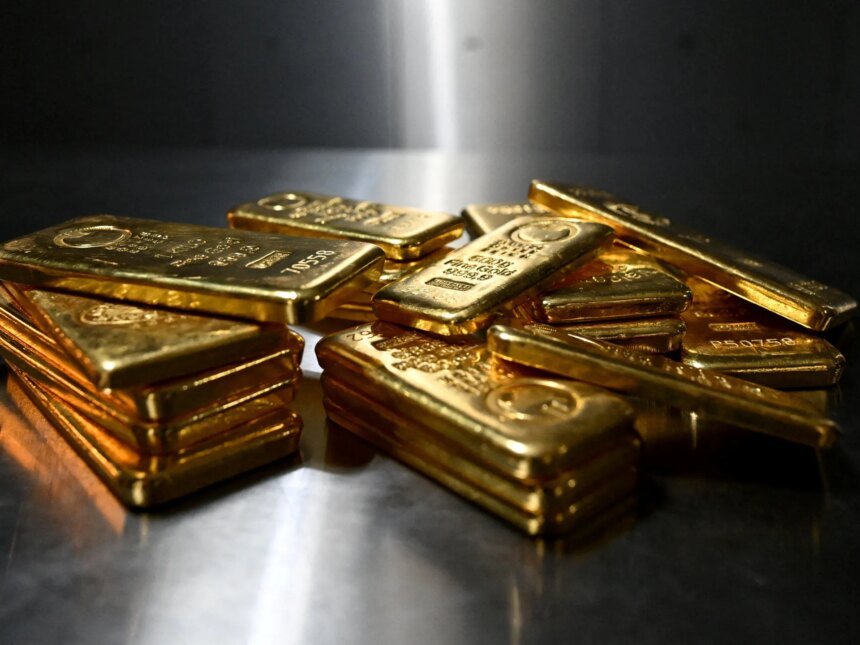
At the time of writing these lines, spot gold rose to about $4,114.29 per ounce, after it had previously fallen to the lowest level in about a week, while US gold futures rose to about $4,107.90 per ounce.
Read also
list of 4 itemsend of list
Silver also moved near $60.03 per ounce, platinum at about $1,619.7, and palladium at $1,230.

Dollar, interest and gold
Gold benefited from a limited decline in the dollar, which made the metal denominated in the US currency less expensive for holders of other currencies, but its gains remained limited by inflation fears and the possibility of US interest rates remaining high for a longer period or being raised again.
Reuters quoted Kelvin Wong, chief market analyst at OANDA, as saying that the dollar fell slightly due to the possibility of Iran reaching an agreement with the United States, as announced by US President Donald Trump, but he added that the temporary ceasefire between Washington and Tehran is still “fragile” after the recent clash, and that the situation may become rapidly changing again.
The CME Group’s Fed Watch tool measures the odds of US interest rates moving from the pricing of federal funds futures contracts, while Reuters reported that markets were pricing in a 65% chance of a rate hike in September.
High interest rates usually put pressure on gold, because it is an asset that does not generate returns, even if it benefits at other times from being a hedge against inflation and geopolitical risks.
Reuters said that Bank of America reduced its forecast for the average price of gold in 2026 by 14% to $4,360 per ounce, citing a more stringent stance from the Federal Reserve.
The minutes of the Federal Reserve meeting in June showed that inflation remained high and moved upward, due to energy and supply shocks, and some officials indicated that there was justification for raising the interest rate range, despite their support for fixing it at the meeting at 3.5% to 3.75%.
Oil is falling
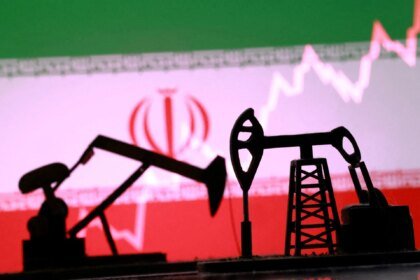
In the oil market, Brent crude fell to $76.98 per barrel, down 1.33%, and US West Texas Intermediate crude fell to $72.59, losing 1.26%, after the two crude oils rose in post-settlement trading yesterday, Wednesday, after the US military announced new strikes on Iran.
Reuters said that the US strikes came after Tuesday’s attack on three cargo ships in the Strait of Hormuz, and hours after Trump said that the temporary ceasefire agreement with Iran had “ended”, while Iran responded with attacks on Kuwait and Bahrain, according to the same story.
The agency quoted the chief market analyst at KCM Trade, Tim Waterer, as saying that traders are reevaluating the situation in light of the great uncertainty regarding oil flows through the Strait of Hormuz, adding that the possibility that the next step towards reducing escalation is what is currently preventing oil from rising more strongly.
Reuters said that some war risk insurance companies advised shipping companies to suspend trips through the Strait of Hormuz, while other companies are reviewing the terms of coverage after renewed attacks on ships, which adds costs and risks to the movement of trade in the most important global energy corridors.
Different scenarios
Goldman Sachs said that the risks of Gulf oil flows and nearby prices continue to move in two directions; In the scenario of continued negotiations, the return of exemptions on Iranian oil, and shippers receiving security guarantees, flows may return to normal by the end of July, which requires increasing Hormuz flows by about 6.6 million barrels per day.
But the bank warned that the failure of the talks, the escalation of attacks on tankers, and the possibility of a US blockade on Iranian oil, could disrupt flows further.
Reuters quoted Wisdom Tree’s director of macroeconomic research, Anika Gupta, as saying that Brent crude may move in the base case between $75 and $85 per barrel during the next month with a limited upward tendency, adding that the supply recovery is real but incomplete, and that the diplomatic path has not completely collapsed despite its faltering.
In the currency market, the dollar index fell to about 100.91 points, but remained supported by safe haven demand and interest expectations, while the euro traded near $1.1433, the British pound near $1.3416, and the dollar at 162.37 yen, which is a level close to the peak of the week and increases pressure on the Japanese currency.

Reuters quoted Kyle Rodda, chief financial markets analyst at Capital.com, as saying that renewed tension in the Middle East has restored the war risk premium to asset prices, adding that the most important impact of the rise in oil is its impact on inflation and global interest rates, as the rise in oil may push the Federal Reserve to advance the date for raising interest.
IG analyst Tony Sycamore said that the stability of the yen in the medium term will ultimately depend on the upcoming US data, and to some extent on developments in the Japanese government bond market, after the Japanese currency returned to pressure near levels that raise fears of intervention by the authorities.