


Published On 7/7/2026
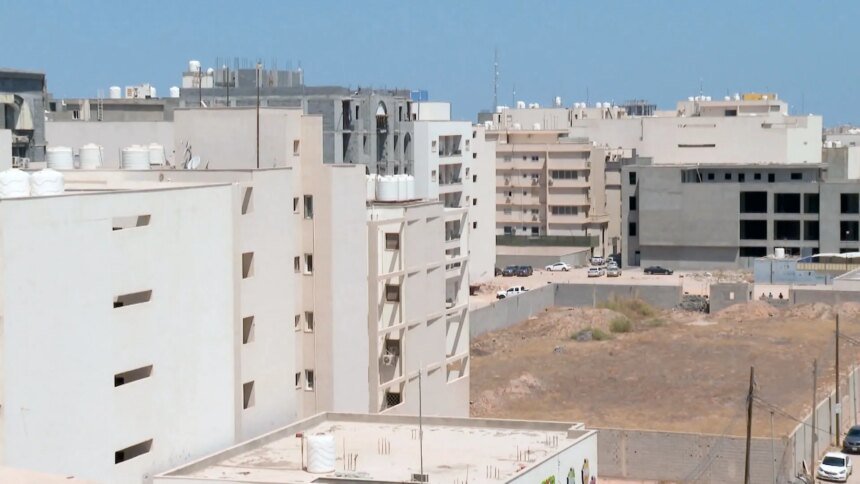
The field scene in the Al-Khala area, south of Tripoli, shows the expansion of random housing plans over large areas, located outside the officially approved general urban plan. Reports show that these areas lack the most basic infrastructure components, which turns them into residential enclaves isolated from basic services.
The reality of daily life in these plans shows the residents’ suffering from arduous movement and difficult living, in which there are no domestic water supplies and electricity networks, and no sewage system. This expansion is described as an ill-conceived construction carried out without government licenses or official procedures, which doubles the living burdens on the residents.
According to a report prepared by Al Jazeera correspondent Ahmed Khalifa, engineers and contractors face exceptional difficulties when embarking on any construction within these areas. Engineer Wanis Omran explains that the stages of suffering begin with preparing the infrastructure from scratch, by extending sewage networks, and connecting water and electricity to the sites in a regular manner, before starting the construction of buildings, all the way to the engineering challenges specific to each site individually.
The report also highlights the prolonged state of official stagnation, as sources confirm that the Libyan state has not adopted any modern plans for urban expansion in all Libyan cities for more than 25 years, and data indicate that this long stagnation has opened the door wide to “chaotic” expansion, without any regulatory controls or future visions for managing urban growth.

Causes of deficiency
On the other hand, the Director of the Urban Planning Office at the Ministry of Housing, Abdul Rahman Al-Fahd, answers the reasons for this extended shortcoming, as he points out that the greatest burden in disrupting residential and service plans falls on the state and the government, and more precisely on the political will throughout that era, which fell significantly short in following up on the implementation of these vital projects, leaving an opportunity for random construction to expand on the lands.
In the same context, the current government is trying to implement housing and service plans that have been stalled for years, in an effort to address the accumulated chaos, but these efforts appear limited compared to the extent of the encroachments that have taken hold on the lands, and removing or reorganizing them has become an almost impossible task in the absence of will and deterrent laws, as the report explains.
In the same vein, the report warns that this uncontrolled urban expansion has come at the expense of fertile agricultural land in many areas, which exacerbates the food security crisis in the country. Official statistics show that continuous encroachments on agricultural land have led to a significant reduction in the arable area in Libya. So that it currently does not exceed only 5% of the total lands susceptible to agricultural investment.
Population planning experts warn that the continuation of this situation without radical solutions will further exacerbate the housing and environmental crisis in Tripoli and the rest of Libyan cities. These experts agree that the absence of proper planning, and the continued encroachments on agricultural wealth, will undermine any future attempts to control urban growth, and threaten the remaining agricultural area that constitutes the country’s lifeline.