

Published On 7/6/2026
International newspapers covered a range of current geopolitical issues, highlighting the shifts in the balance of power, starting with strategic pressure cards in the waterways and partisan unrest in Washington, all the way to the race for technological and military independence in China and Europe.
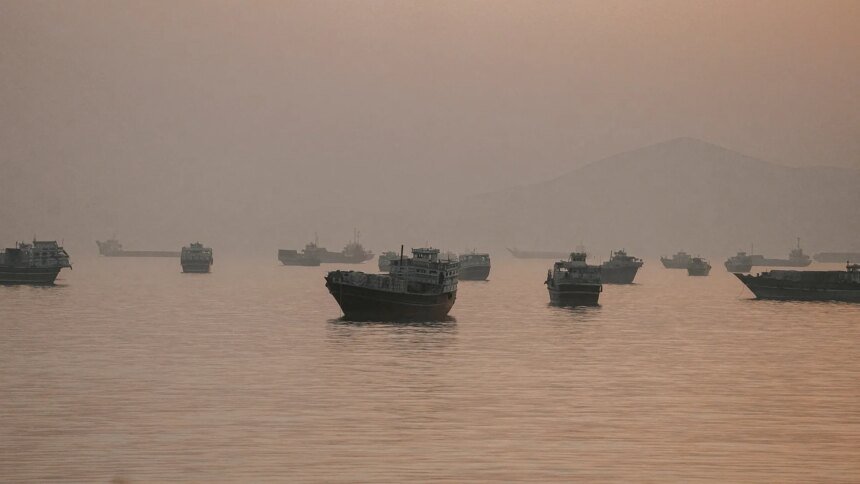
In this context, the American New York Times newspaper believed that the Strait of Hormuz gives Iran great strategic influence as it is a corridor for about a fifth of global oil trade.
But the newspaper warned that excessive use of this card may push importing countries to accelerate their alternative plans, such as increasing strategic reserves and developing pipelines and transport routes that reduce dependence on the strait, which in the long run may lead to a decline in its importance and weaken Tehran’s ability to use it in future crises.
Democrats divided
On the American level, the British newspaper The Guardian monitored the depth of division within the Democratic Party as a result of Israel’s war on Gaza and its impact on the elections. It cited Senator Scott Wiener being forced to leave an event in San Francisco after protests against him for his support of Israel, and Representative Dan Goldman facing a similar controversy in New York.
According to the newspaper, these events highlight the growing influence of the candidates’ positions in the primary elections, and the intensification of the debate within the pro-Palestinian movement regarding the limits and effectiveness of protest methods.
Chinese step
In Asia, the French newspaper Le Figaro reported that China has tightened its measures to prevent the migration of artificial intelligence companies and talents abroad under the pretext of national security.
According to the newspaper, Beijing has imposed new laws that allow greater control over the movement of investments and talents to protect its superiority and achieve its technical independence, amid foreign companies’ fears of expanding state interference in the private sector.
European move
On the European continent, a report by the American Wall Street Journal revealed that European countries have begun to reduce their technological and defense dependence on the United States by replacing American technologies with European ones, and enhancing investment in artificial intelligence, space, and data centers, driven by mounting concern over the policies of President Donald Trump and the presence of European disagreement about how to deal with him.
But this military ambition collides with the obstacle of funding, as the British Economist magazine indicated that most European countries want strong armies but are not ready to provide the required funding.
While Poland and Germany are progressing – according to the magazine – towards raising military spending to 3.5% of GDP by 2035, Britain, France and other countries are lagging behind, in addition to the dilemma of the dispersion of European military industries and the weak efficiency of using funds.
In the context of the diplomatic movement, Liberation newspaper discussed the visit of French President Emmanuel Macron to Damascus, as the first Western head of state to visit since the fall of Bashar al-Assad’s regime, stressing that the visit goes beyond being a stop on his way to Turkey to bring a diplomatic and economic agenda that focuses on the French presence in Syria, which now needs to restore everything.
Source: American press + British press + French press