


Published On 7/3/2026
|
Last update: 19:45 (Mecca time)
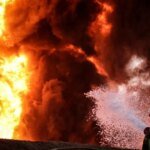
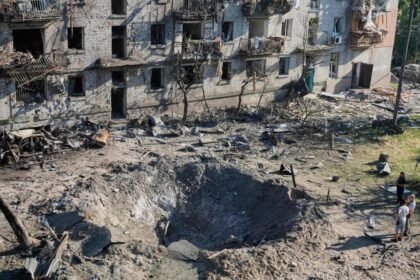
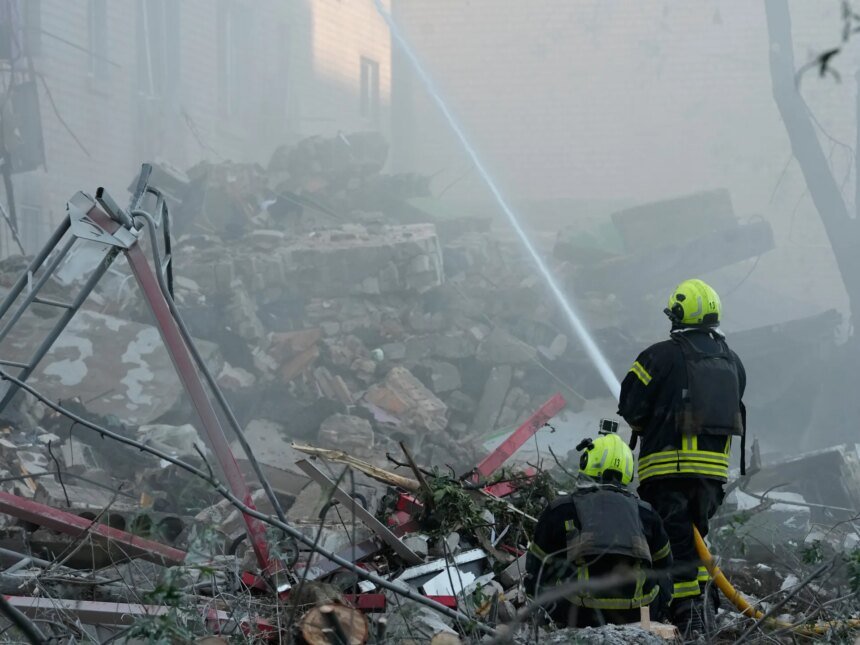
The large-scale air raids launched by the Russian army on the Ukrainian capital, Kiev, recently raised questions in Russian media, in light of the Ukrainian authorities closing gas stations in advance, and President Volodymyr Zelensky leaving for Ireland immediately before the attack.
According to the Russian “Novorossia” website, the United States was aware of the raid three days ago, and warned Kiev in advance.
Read also
list of 2 itemsend of list
The site wonders why no one knows about the air strikes on Russia until after they occur, while information about Russian movements leaks to the West, and from there to Kiev?
He also points out that this gives the “enemy” sufficient time to prepare, and causes the effectiveness of the strikes to diminish, especially since they were launched with expensive missiles.
Urgent questions
“Novorossiya” discussed this issue with military expert Ilya Golovnev, who says that the attack on Kiev with “Iskander” missiles raises urgent questions, as one might imagine that the strike was more symbolic than practical.
He continues that the matter appears to be to show that Russia responded to the Ukrainian strikes on Russian oil refineries, to show the Ukrainians standing in gasoline queues, and that the situation is difficult in Ukraine as well.
He continues that the advance warning of these strikes raises questions about whether the Russian side is free to make its own decisions?
As for forces and strategic weapons, there are international agreements regarding notification, but the talk is about areas that Russia considers to be subject to them, and therefore the talk is not about a war between countries, but rather it is a Russian internal matter, according to the report.
On this basis, Moscow is not obliged to watch and be wary of external parties, nor is it obliged to warn them at all – as the spokesman confirms.
Golovnev:
Popular discontent in Russia can no longer be calmed by “beautiful” pictures of devastation in Ukraine
Popular discontent
The expert points out that the strikes targeted real targets, some infrastructure was damaged, and logistical services were disrupted, but the question is: How serious is the situation and the extent of the damage?
He continues that there are thousands of gas stations in Ukraine, and even if a few dozen of them are destroyed, how serious is the impact when the enemy learns of the impending attack?
According to him, people in Russia do not follow the news, but rather look at their daily lives, and if the Russian president himself is forced to admit to the fuel shortage in the country, to what extent do images of burning gas stations in Kiev reassure the average Russian citizen?
Golovnev then responds by saying that it is no longer possible to calm popular discontent with “beautiful” pictures of destruction in Ukraine, “In fact, many attribute the weakness of Russia’s oil refineries to the negligence of officials and companies, and here lies the main part of the problem.”
He adds that under these circumstances, television reports on destroyed enemy infrastructure are approached differently.
Instead of feeling euphoric, the street is increasingly asking the question: When will Russia start acting in its own interests? When will decisions be made because they are truly necessary, not just to show that the enemy also has problems?
Very worrying
As for the leakage of information about Russian attacks, this is in stark contrast to the statements that “Russia does not consult anyone” and the frequent talk about sovereignty and independence – as the spokesman emphasizes.
The report goes on to talk about whether strikes against Ukraine were the result of coordinated decisions with external parties.
If this is the case, how appropriate is it to talk about Russia as an independent center in a multipolar world – as the Russian military analyst wonders – who concludes that it now appears as if Moscow is waging a war according to the rule of informing the enemy in advance of possible strikes in order for him to take appropriate measures, and this is very worrying, according to the report.