Published on 6/30/2026
|
Last update: 23:18 (Mecca time)
Russia’s crude oil exports recorded their highest levels since the outbreak of war in Ukraine, driven by an increase in maritime shipments and the disruption of part of local refining capabilities as a result of the Ukrainian attacks, at a time when export revenues declined due to the decline in global crude prices.
Oil tanker tracking data compiled by Bloomberg showed that average Russian crude exports during the four weeks ending June 28 rose to 4.13 million barrels per day, the highest level since 2022, while weekly shipments jumped to a record level of 4.63 million barrels per day.
Read also
list of 3 itemsend of list
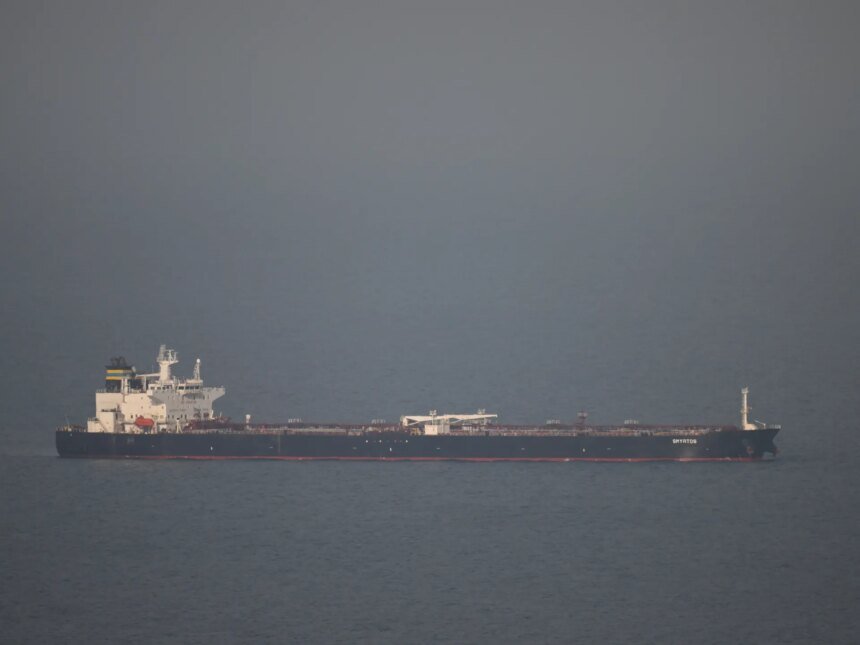
The volume of Russian oil transported by sea also rose to about 133 million barrels, an increase of nearly 34% compared to mid-April, with shipments beginning to accumulate off the coast of Egypt and east of Singapore, an indication of increasing difficulty in discharging some quantities.
Lower returns
Despite the record increase in exports, Russia did not achieve similar financial gains, as the value of its oil exports declined to about $1.9 billion per week on average for four weeks, the lowest level since March, as a result of the decline in Urals crude prices coinciding with the decline in global prices following improved expectations regarding the stability of oil supplies from the Gulf.
The average price of Urals crude loaded from Baltic ports fell to $62.66 per barrel, while Urals crude in the Black Sea fell to $62.18, while the price of Russian ESPO crude fell to $74.27 per barrel.
Observers believe that Moscow may have to offer greater discounts on its crude, especially if demand from China, the largest buyer of Russian oil alongside India, continues to be weak, or the exemptions allowing the import of Iranian oil are extended after mid-August.

Internal pressures
The increase in exports came at a time when Ukraine continues to target Russian oil refineries with drones, which has led to the transfer of part of the crude that is unable to be processed locally to export markets.
The recent attacks included refining facilities in Ufa, Yaroslavl and Slavyansk-on-Kuban, in addition to the Moscow refinery, which estimates indicate that it may remain out of service until the end of the year.
In the same context, Russian President Vladimir Putin said that his country is facing problems with fuel supplies that have led to shortages in some areas and queues in front of gas stations, stressing that the government has formed a work team that works around the clock to address the crisis and ensure the provision of supplies.
Putin explained that gasoline reserves currently amount to about 1.7 million tons, with expectations of an increase in production during July compared to the previous month, indicating that the government is considering imposing a complete ban on diesel exports to ensure the stability of the local market, despite Deputy Prime Minister Alexander Novak confirming earlier that there is no need to take this step now.
He also stressed giving priority to providing fuel to the agricultural sector during the harvest season, considering that maintaining supplies is a necessity to ensure the continuation of agricultural production.
Asian markets
The data showed that exports to Asian markets, including shipments whose final destination has not yet been determined, rose to 3.98 million barrels per day during the four weeks ending June 28, the highest level since 2022.
Shipments to China amounted to about 1.08 million barrels per day, while the quantities announced to India fell to 740 thousand barrels per day, with more than 2.1 million barrels per day remaining on tankers whose final destination has not yet been revealed, which is a common pattern in Russian oil trade since the imposition of Western sanctions.
Developments in the energy sector coincide with a slowdown in the Russian economy, as Alexei Zabotkin, Deputy Governor of the Central Bank of Russia, said that the fuel sector continuing to operate below its capacity for several months may negatively affect the performance of the economy during the current year.
The Russian Central Bank had expected GDP growth of between 0.5% and 1.5% during 2026, amid fears that continued attacks on energy infrastructure will lead to increased pressure on economic activity.