Published on 6/30/2026
|
Last updated: 7/1/2026 09:41 (Mecca time)
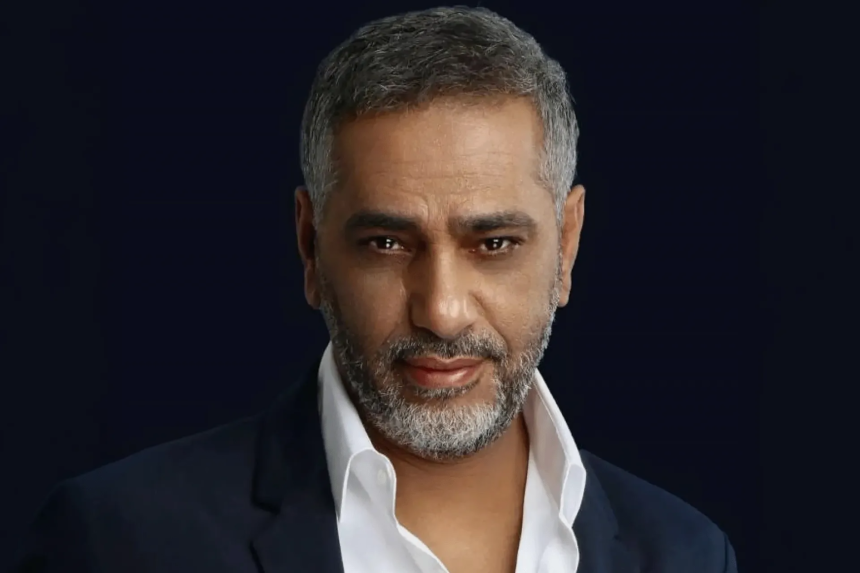
The Permanent Military Court in Lebanon decided to postpone the trial session of the artist Fadel Shaker – in 4 security cases facing him – until next August 5, after he was unable to be transferred to the court’s headquarters due to the deterioration of his health condition.
The military court waited about an hour before making its decision, hoping that the Lebanese singer’s health condition would improve, allowing him to be transferred to the court’s headquarters, but his continued inability to attend led to the postponement of the session.
Read also
list of 2 itemsend of list
A few days ago, Muhammad – Fadel Shaker’s son – revealed the deterioration of his father’s health condition, explaining in a video clip he posted on his Instagram account that his health condition was “not well”, about 9 months after his arrest after he surrendered himself to Lebanese Army Intelligence.
He also appealed to followers to stand by his father during the current stage, considering that the case is approaching its final stages, and expressing his hope that the judicial procedures will end with his release as soon as possible.
Medical committee
Weeks ago, Amanda Mubarak, Fadel Shaker’s defense attorney, submitted a request to the military court to refer her client to a specialized medical committee, after attaching reports on his health condition, with the aim of evaluating his health status.
Information circulating at the time indicated that Shaker was suffering from several health problems, including diabetes and poor eyesight, in addition to skin diseases, months after he surrendered himself to the Lebanese authorities.
This step then raised legal possibilities regarding the possibility of considering a request to release him before the completion of the trial, if the court approved the results of the medical committee, provided that any decision of this kind would be accompanied by precautionary measures determined by the judiciary, such as a travel ban or providing bail, with his continued attendance at the trial sessions.
During the session last May, the Military Court in Lebanon set June as the date for completing the trial of Fadel Shaker. The session witnessed the hearing of a number of retired officers in the Lebanese Army, in the context of the case related to the “Abra” events, which occurred in 2013. Shaker gave his testimony before the court, speaking about the security conditions that surrounded him at the time, and said that he was receiving death threats. He had also previously informed the security services of the presence of a car bomb near his place of residence, which limited his ability to move between Lebanese regions.
He explained that he was working to settle his legal situation before the outbreak of the “Abra” events, but the confrontations began before those procedures were completed, considering that this prevented the completion of his file at that time.
His testimony was consistent with the testimonies of the officers heard by the court, as they confirmed that there was no evidence of his direct participation in the “Abra” events, indicating that he was preparing to leave the area before the clashes broke out, and that the people who were with him were tasked with providing him with personal protection.
The testimonies, according to what was presented during the session, did not contain any data indicating that he provided financial or logistical support to the Sheikh Ahmed Al-Asir group or contributed to its financing, before the court decided to continue examining the case during a later session.
Weeks before that, Fadel Shaker obtained an acquittal in the case related to the killing of Sheikh Hilal Hammoud, in one of the most prominent cases linked to him since he surrendered himself to Lebanese Army Intelligence in October 2025, after years he spent inside the Ain al-Hilweh refugee camp near the city of Sidon.