
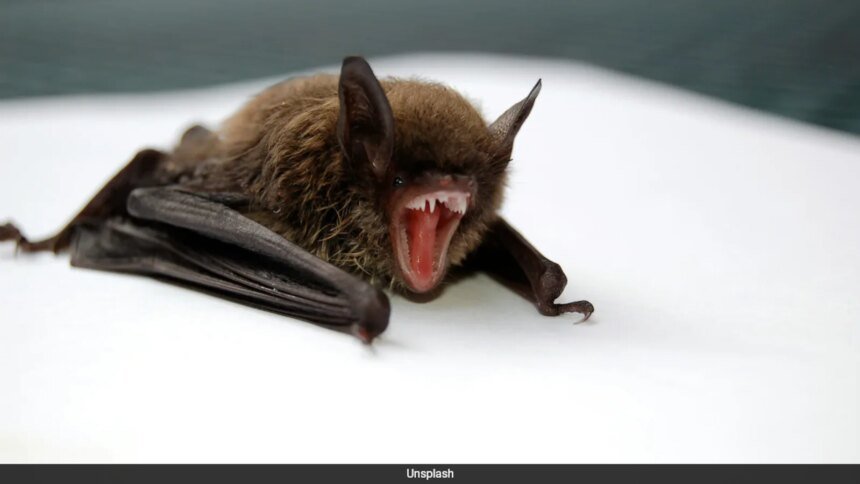
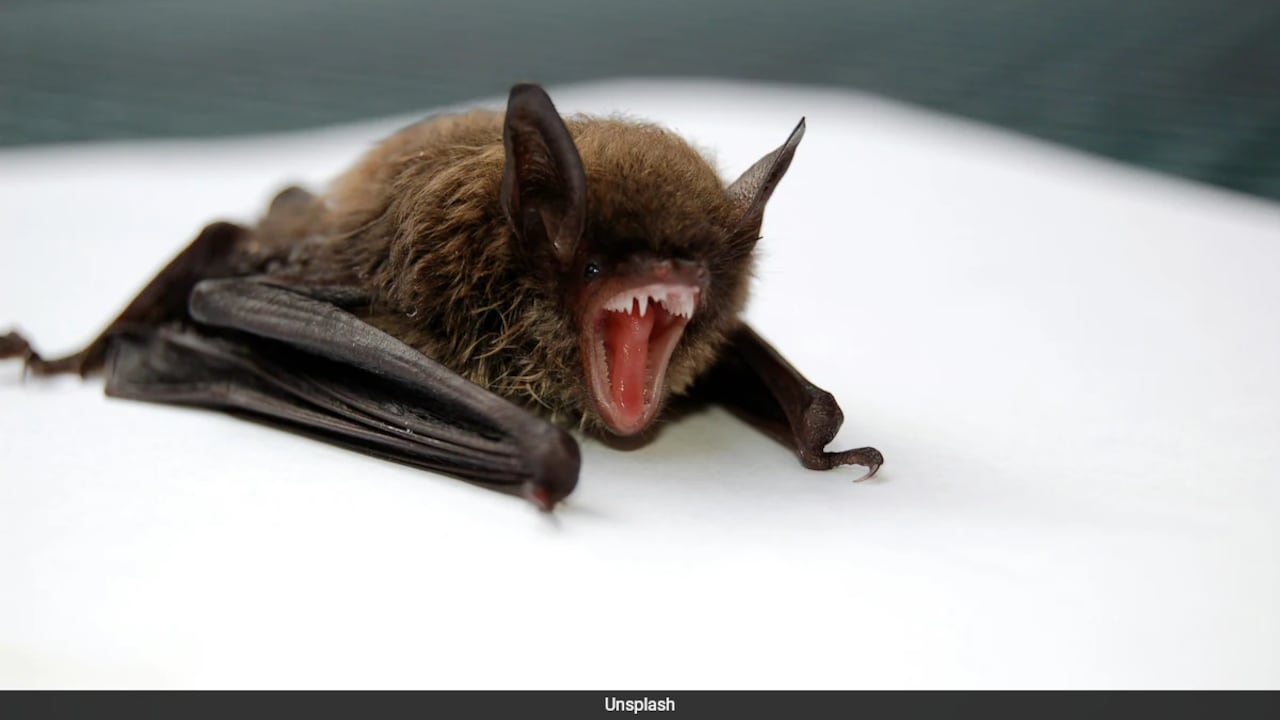
An 11-year-old boy who woke up to find a bat lying on his face later died of rabies, despite showing no visible signs of being bitten or scratched, according to a newly published scientific report warning about the hidden dangers of bat exposure. The unidentified boy was staying with family in Northern Ontario, Canada, during the summer of 2024 when he suddenly woke to find a bat covering his nose and mouth, according to a paper published Monday in the Canadian Medical Association Journal (CMAJ).
He instinctively swatted the bat away, while his father caught the animal and released it outside. Because the boy had no apparent bite or scratch marks and appeared perfectly healthy, his family did not seek medical care.
Nineteen days later, he developed symptoms including persistent vomiting, facial numbness, and a tingling “pins and needles” sensation. He was taken to the emergency department, where doctors provided supportive care. By then, however, the virus had already taken hold.
Despite more than two weeks of intensive treatment, the boy’s condition continued to deteriorate. He was eventually removed from life support and died.
His parents agreed to share his story to raise awareness about rabies, particularly the risk posed by bats. The case is believed to be Ontario’s first fatal human rabies infection in more than 50 years.
The report’s authors said the tragedy highlights how easily rabies exposure can be missed after contact with bats. Their teeth are so small that bites may leave little or no visible mark, making people unaware that they have been exposed.
“It was important to us and to the family to take the opportunity to find learning experiences and lessons that we could take from his case to try and help spread awareness and understanding of rabies infection and risks,” Dr. Brian Hummel, a pediatric infectious disease specialist involved in the case, wrote in his report.
There is no cure for rabies once symptoms appear. However, prompt post-exposure prophylaxis (PEP) – a combination of rabies vaccines and human rabies immune globulin administered before symptoms develop, is highly effective at preventing the disease.
“If you get symptomatic rabies infection, it is near universally fatal. But if you get the prevention before symptoms develop, it is near universally successful,” the doctor added.
Human rabies remains extremely rare in Canada, with only 28 reported cases since 1924. In the United States, fewer than 10 people die from rabies each year, according to the U.S. Centers for Disease Control and Prevention.
In North America, bats are the leading source of rabies transmission to humans, although raccoons, skunks, and foxes can also carry the virus. Health experts stress that anyone who has direct contact with a bat, especially if they wake up to find one in their room, should seek immediate medical advice even if no bite or scratch is visible.