Published on 6/30/2026
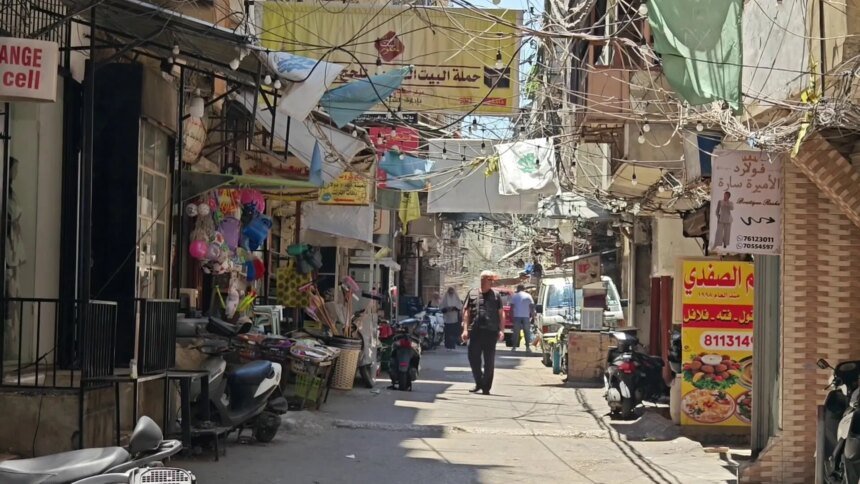
Complaints of Palestinian refugees in the camps of northern Lebanon about the decline in the services of the United Nations Relief and Works Agency for Palestine Refugees (UNRWA) are increasing, amid demands to stop the policies of reducing aid, and to redistribute support in a fair manner that takes into account the difficult humanitarian conditions experienced by the densely populated camps.
These testimonies come as part of field coverage conducted by Al Jazeera Mubasher to monitor the opinions of refugees in the northern camps, where one of the speakers relied on a recent study that indicated that poverty rates among refugees in Lebanon exceeded 80%, according to recent research estimates.
The spokesman was surprised by the decision to exclude the northern and Ain al-Hilweh camps (near the city of Sidon in the south) and the Bekaa (east) from the latest food and financial aid packages, stressing that the need includes all refugees without exception, and that the fragmentation of support contradicts the deteriorating humanitarian reality inside the camps.
Another refugee said that widespread reductions affected education, health, and relief due to lack of funding, which had a negative impact on daily life inside the camps in northern Lebanon, with increasing reliance on intermittent and irregular aid in frequency.
He added that medical coverage declined significantly, in addition to the restructuring of cash aid and the reduction of beneficiary groups, in what many considered a violation of the principle of justice in distribution between camps inside Lebanon in light of the ongoing funding crisis.
He also pointed out that the classification of some camps outside conflict areas lacks realism, citing that the Beddawi camp was subjected to attacks, and that Ain al-Hilweh was considered outside the classification despite the deteriorating security and economic conditions in Lebanon currently on the ground.
Worsening crises
Another refugee woman expressed her dissatisfaction with the halting of aid, and asked why the camps in the north were excluded, stressing that all camps in Lebanon are currently suffering from worsening living crises that include poverty, unemployment, and a decline in basic services.
She called for the return of food aid and basic services, noting that families rely heavily on the agency’s support to meet daily needs, in light of the absence of real alternatives inside the densely populated camps and the worsening critical humanitarian conditions.
In turn, a young Palestinian said that the camps were living in stifling humanitarian conditions, calling for the intervention of Palestinian authorities and donors to restore financing, noting that the monthly aid represented a lifeline for the elderly and children inside the affected camps.
A refugee woman warned that the continued reductions gradually threaten the future of refugees, pointing to the lack of a middle class inside the camps, and the importance of enhancing transparency and accountability in the management of relief services and improving institutional performance in light of the accumulating crises.
The speakers agreed that the crisis is not only related to funding but also to distribution mechanisms, with mounting demands to reconsider the policies of the United Nations Relief and Works Agency for Palestine Refugees to ensure justice and continuity of humanitarian support in the Lebanese camps currently.