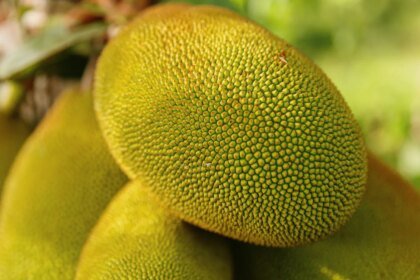



Biryani is an all-time favourite dish enjoyed across the world. It is traditionally prepared with marinated meat or chicken, but its immense popularity has inspired several delicious variations that are equally satisfying. Among the vegetarian versions, Kathal (Jackfruit) Biryani stands out for its rich flavour and unique texture. What makes Kathal Biryani special is the meaty texture of raw jackfruit, which closely resembles meat once cooked. As a result, it is loved by both vegetarians and non-vegetarians. Fragrant, spicy and packed with flavour, this biryani is perfect for everything from a weekend meal to a special dinner spread.
What Makes Kathal Biryani So Special?
The process of making Kathal Biryani is quite similar to preparing chicken or mutton biryani, which gives it a rich, aromatic and robust flavour profile. Raw jackfruit has a mild taste of its own, allowing it to absorb the flavours of spices and seasonings exceptionally well.
As it cooks, its fibrous texture becomes soft and tender, closely resembling slow-cooked meat. This unique quality is one of the main reasons behind the growing popularity of Kathal Biryani. If you are planning to make this delicious dish at home, follow these useful tips for the best results.
Also Read: Love Bihari Food? This Kathal Aloo Curry Is About To Be Your New Favourite
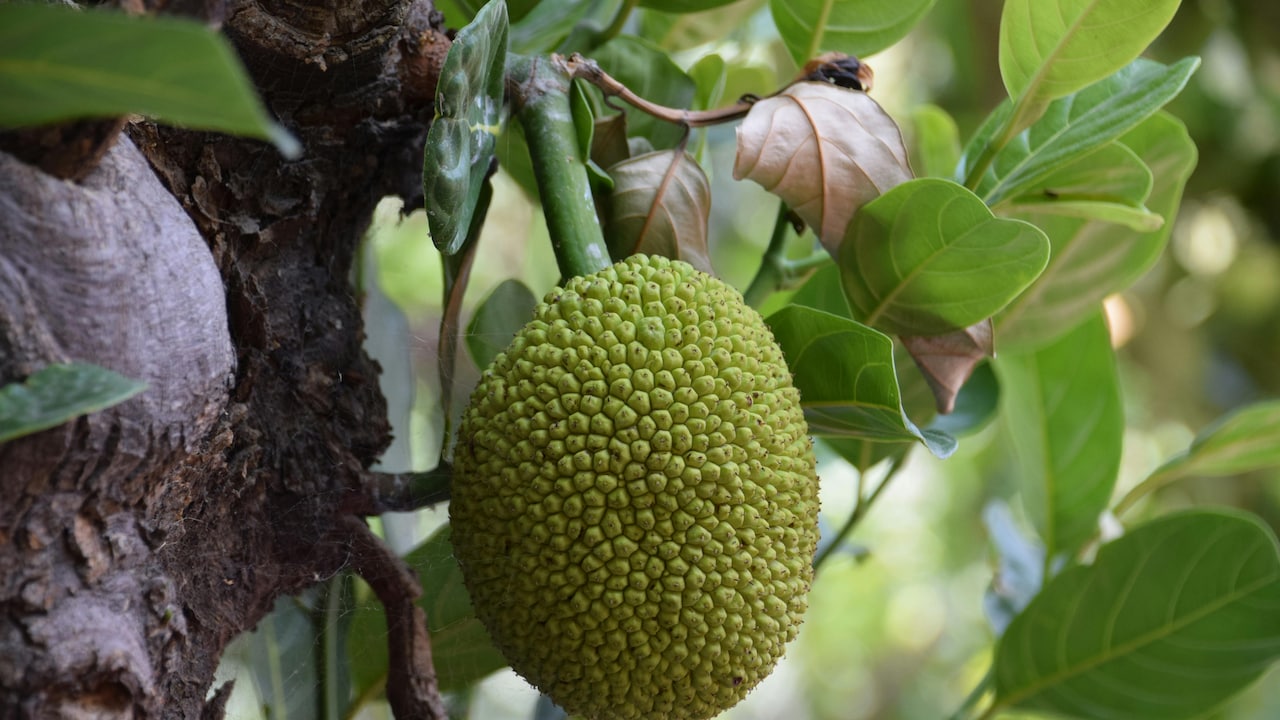
How To Make Kathal Biryani
Ingredients
- 400-450 g raw jackfruit, cut into small pieces
- 1 cup basmati rice, soaked
- 1 cup yogurt, whisked
- 1 tbsp ginger-garlic paste
- Turmeric powder
- Red chilli powder
- Coriander powder
- Garam masala
- Bay leaf
- Cinnamon
- Cloves
- Green cardamom
- Black cardamom
- 1 cup fried onions (birista)
- Fresh mint leaves
- Fresh coriander leaves
- 1 tbsp ghee
- Salt, to taste
- Saffron soaked in milk
Tips To Make Kathal Biryani At Home
1. Prepare The Jackfruit Properly
Apply mustard oil to your hands and knife before peeling and cutting the jackfruit. You can also rub a little lemon juice on the knife. This helps prevent the sticky sap from sticking to your hands and makes the process much easier.
Also Read: 5 Unique Kathal (Jackfruit) Recipes That You Will Surely Relish
2. Boil The Jackfruit Before Cooking
Cut the jackfruit into bite-sized pieces. Add water, turmeric and salt to a pressure cooker, then add the jackfruit pieces. Close the lid and cook until one whistle.
Adding turmeric and salt while boiling helps retain the jackfruit’s colour and allows the seasoning to penetrate the pieces, ensuring they are flavourful from the inside.
3. Do Not Skip The Marination
Mix the boiled jackfruit thoroughly with yogurt, ginger-garlic paste, lemon juice, oil and spices. Let it marinate for at least 30 minutes. For deeper flavour, refrigerate it for 1-2 hours before cooking.
4. Cook The Rice Only Partially
Do not cook the rice completely. Boil it until it is about 70-80 per cent cooked, as it will finish cooking during the dum process.
While boiling the rice, add cloves, cinnamon, green cardamom, black cardamom, lemon slices and a little oil to the water. This helps keep the rice grains separate, fragrant and fluffy.
5. Cook The Jackfruit Well
Heat ghee in a pan and lightly fry the onions. Add chopped tomatoes and cook until softened. Season with salt and additional spices if you prefer a spicier biryani.
Next, add the marinated jackfruit and cook until the oil begins to separate from the mixture. This step helps develop a rich flavour base for the biryani.
6. Master The Dum Process
Once the jackfruit mixture is ready, spread a layer of partially cooked rice over it. Top with fried onions, saffron-infused milk, mint leaves, fresh coriander and a drizzle of desi ghee.
Seal the handi tightly with a lid. For a more traditional approach, use dough around the edges to lock in the steam. Cook on a low flame for 15-20 minutes. This dum cooking process is what gives biryani its signature aroma and flavour.
Once your Kathal Biryani is ready, serve it hot with raita, chutney and laccha onions for a complete and satisfying meal. The combination of aromatic spices, fluffy rice and tender jackfruit makes this biryani a delicious vegetarian alternative that’s packed with flavour.