

Published On 4/7/2026
The pharmaceutical industry in South Korea achieved a new achievement during the year 2025, after its exports exceeded the $10 billion barrier for the first time, driven by the increasing demand for vital medicines and the high competitiveness of local companies in development and manufacturing.
Data reported by Yonhap from the Ministry of Food and Drug Safety showed that the value of pharmaceutical exports reached $10.44 billion during 2025, an increase of 12.4% compared to the previous year, while imports increased by 5.9% to $8.93 billion.
Read also
list of 4 itemsend of list
This led to an increase in the trade surplus in the pharmaceutical sector by 41.9% on an annual basis, reaching $1.56 billion, which is the highest level recorded by the sector since data recording began.
The Ministry attributed this performance to the strong growth of biopharmaceutical exports, which topped the list of exported products, supported by the expansion of the market share of manufacturers of this type of similar medicines in South Korea, in addition to improving their capabilities in the areas of development and contract manufacturing.
Accelerated growth
In the local market, total pharmaceutical production rose to 33.8 trillion won (about 21.5 billion dollars) during 2025, an increase of 3% compared to the previous year, recording the highest annual level since the government began collecting these statistics in 1998.
Prescription medicines and finished pharmaceutical products also recorded the fastest growth rates, as their production increased by 5.3% and 3.7%, respectively.
The ministry said that the average annual growth of pharmaceutical production reached 7.3% over the past five years, exceeding South Korea’s GDP growth rate of 4.6% during the same period.
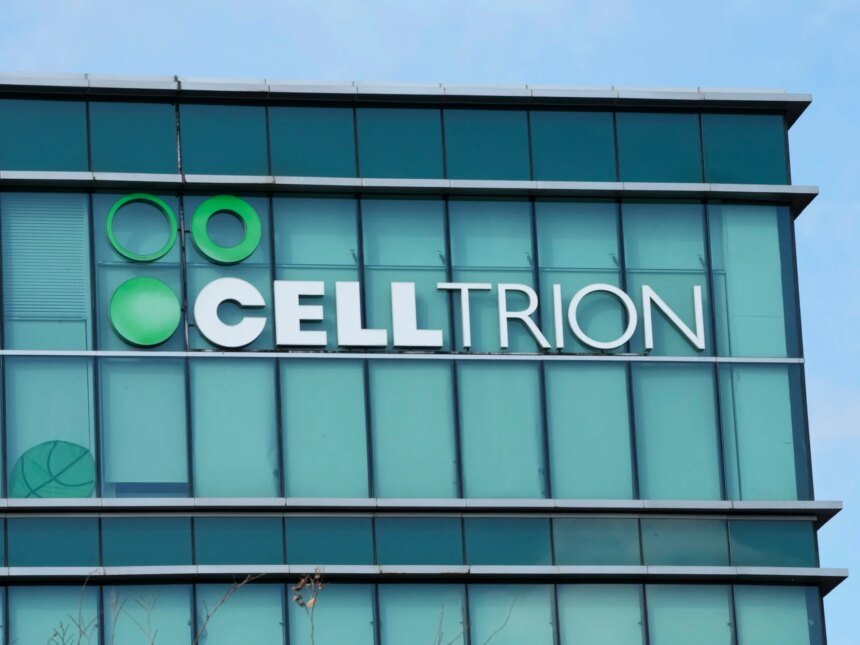
The data showed that 4 companies, including Celltrion and Hanmi Farm, each had production exceeding 1 trillion won in 2025.
Celltrion recorded an exceptional performance, as its pharmaceutical production increased by 27.6% compared to the previous year, exceeding 3 trillion won (about 1.9 billion dollars), becoming the first South Korean company to exceed this level of annual production.