

Published On 2/7/2026
The United States has resumed some US dollar shipments to Iraq after a suspension that lasted several months, in a move that represents a partial breakthrough in financial relations between the two countries, while Washington maintains other measures, including suspending some aspects of security cooperation, according to what the New York Times quoted Iraqi officials as saying.
Last April, the administration of US President Donald Trump suspended the flow of dollars into the Iraqi economy, and stopped a cash shipment estimated at about 500 million dollars, as part of pressure aimed at pushing Baghdad to limit the influence of armed factions supported by Iran.
Read also
list of 4 itemsend of list
The newspaper quoted Iraqi Prime Minister Haider Al-Aboudi’s spokesman as saying: “Dollar shipments to Iraq have resumed,” adding that “the problem has been solved.”
The financial advisor to the Prime Minister, Mazhar Mohamed Saleh, also confirmed the resumption of transfers, according to the report.
On the other hand, the newspaper quoted an unnamed Iraqi official as saying that the suspension of cooperation and funding provided to the Iraqi security services still exists, and that the US Treasury Department, State Department, or White House did not issue an official comment on the report.
The suspension of dollar shipments came at a time when Baghdad was preparing to choose a new prime minister, as Washington sought, according to the New York Times, to prevent figures considered close to Iran from reaching the presidency of the government. It also demanded that the Iraqi government tighten control over the armed factions linked to Tehran, which carried out repeated attacks against American targets inside Iraq.

The importance of dollar transfers
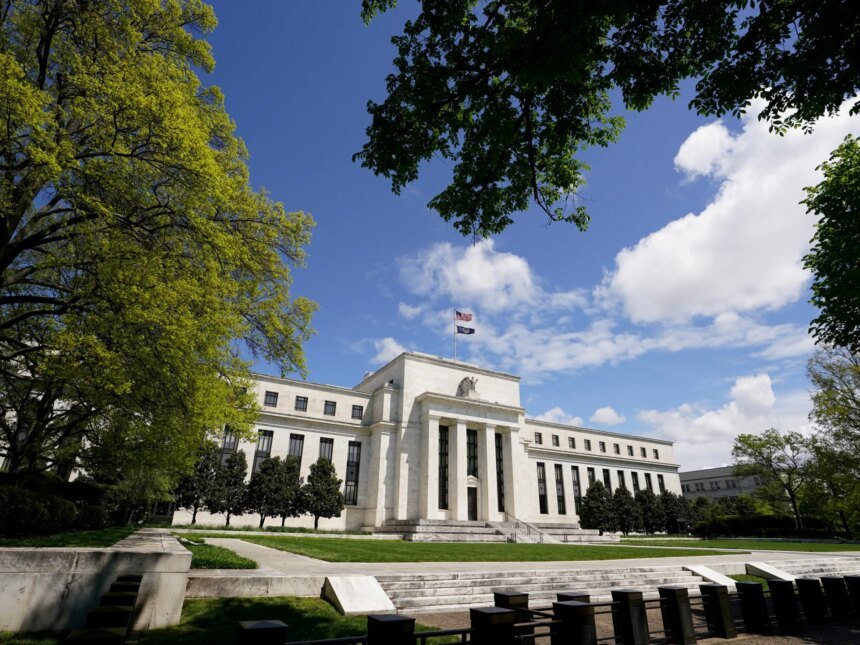
Dollar shipments are of particular importance to the Iraqi economy, which relies heavily on cash transactions, as the Central Bank of Iraq maintains its foreign exchange reserves in an account with the Federal Reserve Bank in New York.
The Central Bank is responsible for implementing daily transfers in dollars on behalf of Iraqi companies and individuals to pay the value of imports, in light of the limited possession of Iraqi companies by international bank accounts, which makes the continued flow of the dollar an essential element for the movement of foreign trade.
Over the past years, the United States and Iraq have implemented stricter banking rules to increase transparency in financial transfers, with the aim of reducing dollar smuggling and money laundering and preventing the American currency from reaching parties subject to sanctions or supporting armed groups, including parties linked to Iran.
According to the New York Times, the resumption of dollar shipments coincided with steps taken by the new Iraqi Prime Minister, Ali al-Zaidi, to limit the influence of armed factions, the most prominent of which was issuing orders to subject all militias to the authority of the state.
The government also launched an anti-corruption campaign, which, according to the Iraqi News Agency, resulted in the arrest of dozens of current and former officials, including members of Parliament, as the authorities announced the arrest of 47 people on Sunday, with investigations continuing and other suspects being pursued.
Despite the resumption of dollar transfers, the continued suspension of some aspects of security cooperation indicates that Washington is still linking the full normalization of financial and security relations with Baghdad to the extent of the Iraqi government’s progress in reducing the influence of armed factions and enhancing control over the movement of funds.