Published On 1/7/2026
|
Last update: 11:52 (Mecca time)
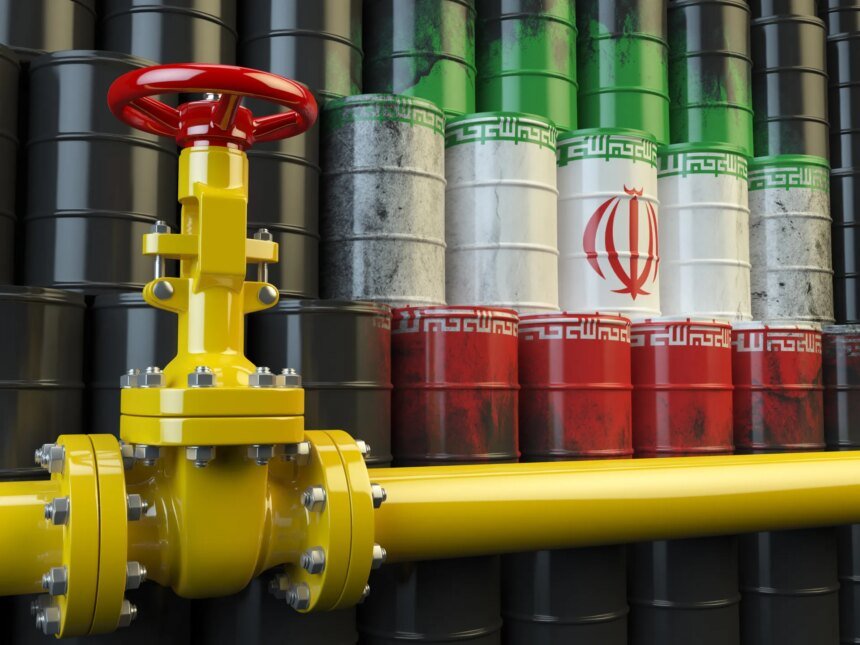
Iran’s crude oil exports increased after US restrictions on its sales were lifted under the recent agreement with Washington, in a move expected to provide the government billions of dollars in revenues in the coming weeks. However, experts believe that the impact of these revenues on the local economy will take a longer time in light of continued inflation and the high cost of reconstruction.
Tanker Trackers’ tracking data for oil tankers showed that Iran exported about 50 million barrels of crude during the past two weeks, equivalent to an average of 1.66 million barrels per day during June 2026, while the exports of most countries in the region are still lower than their levels before the war.
A new US exemption also allowed Tehran to resume selling oil and receiving payments in dollars, which is likely to save the government between $8 and $10 billion over the next 60 days, according to estimates by analysts for The Wall Street Journal.
Read also
list of 3 itemsend of list
Despite the expected improvement in oil revenues, experts believe that these revenues will not be sufficient to quickly get the Iranian economy out of its crises, in light of continuing inflationary pressures, weak domestic demand, and the need to finance reconstruction operations.
Analysts said that the Iranian government will still need broader easing of sanctions and the stability of the agreement with the United States of America in order to be able to restore economic activity and attract investments.
Estimates indicate that the war caused losses to the Iranian economy estimated at about $270 billion, while the United Nations reported that about 150,000 civilian buildings were damaged, including 51,000 homes in the capital, Tehran.
Rystad Energy also estimated the cost of repairing damage to gas facilities, refineries, petrochemical facilities and energy export infrastructure at up to $19 billion.

Inflation pressures
The Iranian economy faces major challenges after years of sanctions and war, as the annual inflation rate reached 88.6% in June, while the International Monetary Fund expected the gross domestic product to contract by 6.1% during 2026, the largest decline since the 1980s, with inflation expected to average about 70%.
It is estimated that more than a million people have lost their jobs since the outbreak of war, while the value of the local currency has fallen to record levels, and e-commerce has been affected by long-term internet outages.
Despite the resumption of oil exports, local economic indicators remain weak, as the prices of a number of basic commodities rose, and the prices of some types of bread in Tehran jumped nearly double last week.
Economists believe that the new oil revenues may improve the government’s financial situation in the short term, but they will not quickly reflect on living standards or the labor market, especially with the magnitude of the reconstruction needs and the continued uncertainty about the future of the agreement.