Published On 1/7/2026
The indirect technical discussions between the United States and Iran entered a new phase in Doha, with Qatari-Pakistani mediation, in an attempt to transform the memorandum of understanding signed between the two parties into implementation steps on the ground, amid a clear difference in the priorities of each party, although it seems that both of them prefer the continuation of the diplomatic path to a return to military confrontation.
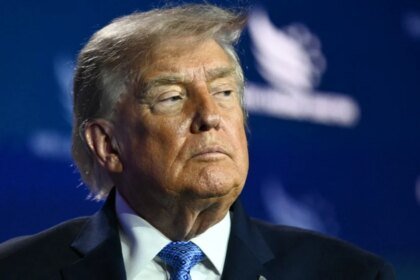
At a time when US President Donald Trump spoke of an “excellent meeting” with the Iranian side, stressing that Tehran had come a long way toward the agreement, and that Washington was continuing with its goal of disarming Iran’s nuclear weapon, his deputy, J.D. Vance, stressed that any Iranian attempt to rebuild its nuclear program or resume targeting ships in the Strait of Hormuz would change the calculations of the United States, which means that the option of a decisive response will remain on the table.
On the other hand, Tehran adhered to a different reading of the scene. Foreign Minister Abbas Araqchi confirmed that the memorandum of understanding is clear and obligates the American President to restrain his allies in Tel Aviv, warning that any threat targeting Iran or its leadership will be met with an immediate and decisive response.
As for the Speaker of the Iranian Parliament, Muhammad Baqir Qalibaf, he announced that his country will not enter the final agreement negotiations before implementing clauses (1), (4), (5), (10) and (11) of the memorandum of understanding, stressing at the same time that control of navigation in the Strait of Hormuz is a sovereign right of Iran that it will not give up.
Frozen Iranian assets
In turn, Iranian Deputy Foreign Minister Kazem Gharibabadi revealed the establishment of an urgent communication channel to follow up on the implementation of the terms of the memorandum, explaining that the talks in Doha also dealt with the mechanism for spending part of the frozen Iranian assets, amounting to $6 billion, in addition to discussing reports related to the strengthening of American forces in the region.
The priorities that each party adheres to demonstrate the size of the gap that still separates them. According to what Suhaib Al-Assa presented on the interactive map, Iran puts at the forefront of its demands an end to military operations, ensuring freedom of movement in the Strait of Hormuz, lifting the naval blockade, opening the door to oil exports, and releasing frozen funds, given that the economic crisis represents the most urgent challenge for the Iranian regime.
On the other hand, the United States is committed to completely opening the Strait of Hormuz and ensuring that Iran does not possess a nuclear weapon, in addition to protecting energy security and the security of its allies in the region, which makes the Strait and the nuclear program two main axes in any prospective understanding.
Academic and expert in Middle East politics, Mahjoub Al-Zwairi, believes that the difference in priorities represents the most prominent obstacle to implementing the memorandum, explaining that each party seeks to achieve gains that it can present to its internal audience.
Al-Zwairi pointed out that Iran emerged from two wars that cost it about $300 billion in infrastructure, but it did not consider itself defeated, while the United States and Israel believe that they have achieved their military goals. However, the closure of the Strait of Hormuz revealed that Iran possesses a strategic pressure card equivalent in its effect to a nuclear weapon, which imposed a new reality on the negotiation process.
He explained that the real Iranian priority is to address the economic crisis by lifting sanctions, restoring frozen funds, and increasing oil exports, pointing out that talk of releasing $6 billion represents only a limited portion of the more than $100 billion of Iranian assets held abroad.
Regarding Tehran’s insistence on implementing specific provisions before the start of the final agreement negotiations, Al-Zwairi explained that some of them are related to Iranian regional influence, while others are related to the arrangements for the Strait of Hormuz and economic returns, stressing that Tehran does not seem ready to fully open the strait before obtaining guarantees and clear economic gains.
Despite the continued loss of confidence, Al-Zuwairi considered that the two parties at the current stage do not have an “appetite for risk” and a return to war, suggesting that the interim understandings will eventually lead to a comprehensive agreement, even if the road witnessed some limited friction.
Persistent lack of trust
In the second part of the discussion, former American diplomat Marlin Hardings considered that the ongoing technical meetings in Doha could pave the way for subsequent political and economic meetings if they succeed in addressing the more complex technical issues, stressing that stopping the violence gave diplomacy a new opportunity.
Hardings believed that the United States is required to take Iranian concerns into account, especially with regard to the release of financial assets, with the need to provide internal political cover that allows the American administration to make the necessary concessions to make the agreement successful.
On the other hand, former Iranian diplomat Muhammad Mehdi Shariatmadar believed that talking about the success of the talks was still premature, explaining that the negotiations had not achieved sufficient progress due to the continued lack of trust and Washington’s delay in implementing what was stated in the memorandum of understanding.
Shariatmadar stressed that the ongoing discussions in Doha are not direct negotiations with the United States, but rather talks with the Qatari and Pakistani mediators to develop a mechanism for implementing the agreed upon terms, stressing that Iran will not begin negotiations on the final agreement before implementing the terms stipulated in the memorandum and signed by the American President.
As for the head of the Al-Madar Center for Political Studies, Saleh Al-Mutairi, he considered that the large number of contradictory statements from various parties reflects the continued attempts to improve the negotiating positions despite the signing of the memorandum, but he saw, on the other hand, that the most important thing that came out of the Doha meetings was the agreement to establish an urgent communication channel to address any potential violations.
Al-Mutairi indicated that the world is now waiting for the next executive step, expecting the agreement to witness mutual commitments, including the Iranian nuclear file, navigation security, and regional influence, but at the same time he warned against using the Strait of Hormuz as a negotiating card for every file, considering that the Strait represents a global artery that cannot be turned into a permanent pressure tool.