Published on 6/29/2026
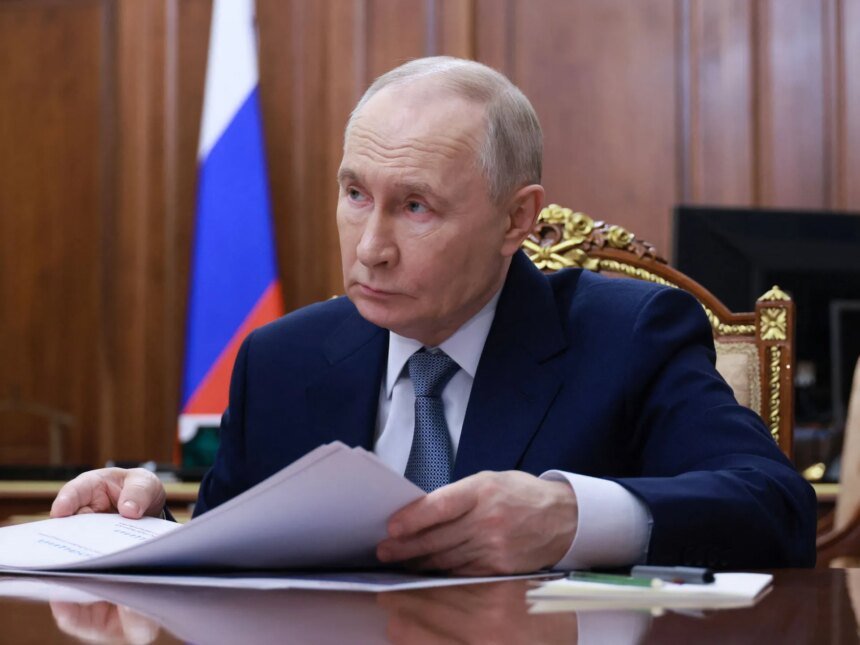
Russian President Vladimir Putin said that Russia is facing problems with fuel supplies that have led to shortages in some areas and queues in front of gas stations, stressing that the government is working to ensure the provision of sufficient quantities in various parts of the country, in light of the continuing Ukrainian attacks on energy facilities.
During a meeting with senior officials concerned with fuel supply and distribution, Putin explained that the authorities have formed a working team that works around the clock to address the crisis, noting the need to reduce the impact of Ukrainian attacks on civilian infrastructure and oil facilities.
Read also
list of 3 itemsend of list
He added that current gasoline reserves amount to about 1.7 million tons, with expectations that fuel production during July will exceed June levels, pointing out that the government is considering imposing a complete ban on diesel exports to ensure the stability of domestic supplies, although Deputy Prime Minister Alexander Novak had previously said that he did not see a need to take this step now.
A priority for the agricultural sector
Putin stressed the importance of providing fuel to the agricultural sector during the harvest season, calling for adherence to the supply schedules set for farms and agricultural companies, as this is necessary to ensure the success of the agricultural season.
He also pointed out that the situation requires structural measures commensurate with the scale of the current challenges, ensuring an increase in the supply of fuel and maintaining prices at appropriate levels.
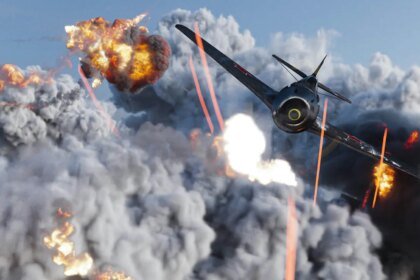
Putin’s statements come at a time when Ukraine has intensified its long-range attacks on Russian oil facilities, targeting refineries and fuel depots in an attempt to reduce the revenues that Moscow relies on to finance its military operations.
Ukrainian President Volodymyr Zelensky said that during the past days, Ukrainian forces targeted two new oil refineries in the Krasnodar and Yaroslavl regions, stressing that the long-range strikes aim to reduce the resources that feed the “Russian war machine.”
Analysts believe that these attacks have begun to affect fuel production within Russia, while the Institute for the Study of War (ISW) considered that Putin’s statements reflect an official awareness of the economic and social pressures resulting from targeting energy infrastructure, with the Kremlin seeking at the same time to reassure public opinion that the situation is still under control.
Economic repercussions
In this context, Deputy Governor of the Russian Central Bank, Alexei Zabotkin, said that the continued operation of the fuel sector below capacity for several months may negatively affect the performance of the Russian economy during the current year.
The Russian Central Bank had expected GDP growth at a rate ranging between 0.5% and 1.5% during the year 2026, at a time when the turmoil in the energy sector may increase pressure on the economy if attacks on oil facilities continue.