
Garlic has been used as both food and medicine for thousands of years. Whether it’s added to curries, chutneys, soups, or stir-fries, it is one ingredient that finds a place in almost every Indian kitchen. But beyond its strong flavour and aroma, garlic is now getting attention for another reason: it may help support healthy blood sugar levels.
Several studies suggest that garlic contains natural compounds that may improve the way the body uses insulin and manages glucose. While it is not a cure for diabetes or prediabetes, experts say that eating garlic the right way can help you get the most out of its health benefits. But what is the right way?
Why Is Garlic Considered Good For Blood Sugar?
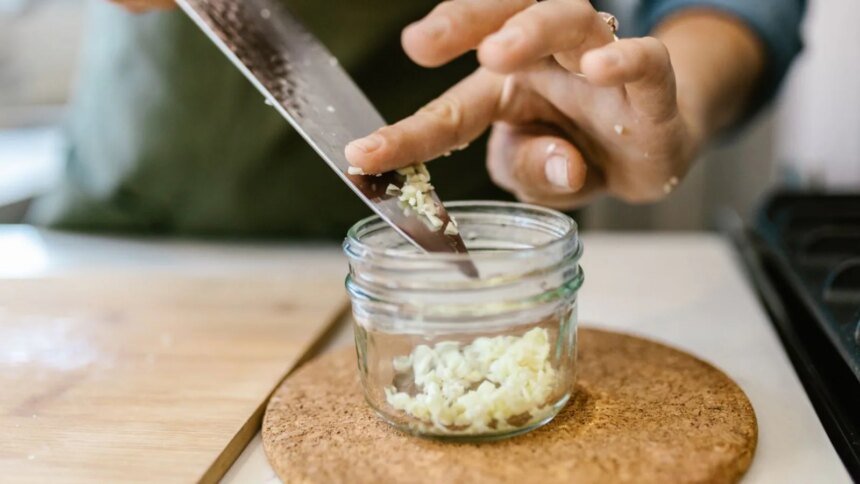
The secret lies in a natural sulphur compound called allicin. Interestingly, garlic doesn’t actually contain allicin when it’s whole. Instead, it contains another compound called alliin. Once you crush, chop or mince a garlic clove, an enzyme called alliinase gets activated and converts alliin into allicin. This is the compound that researchers believe is responsible for many of garlic’s health benefits.
According to clinical nutritionist Rupali Datta, “Garlic and its active principle, allicin, help reduce fasting blood sugar as evidenced in meta-analysis. Allicin is a sulphur compound that has proven to enhance insulin sensitivity and secretion, helping lower blood sugar levels.”
Also Read: 5 Easy Overnight Oat Recipes You Can Make In Just 5 Minutes
So, garlic may help your body respond better to insulin, the hormone that moves sugar from your bloodstream into your cells. Some research also suggests that garlic’s antioxidant and anti-inflammatory properties may help protect the body from the long-term damage caused by high blood sugar.
What Is The Best Way To Eat Garlic?
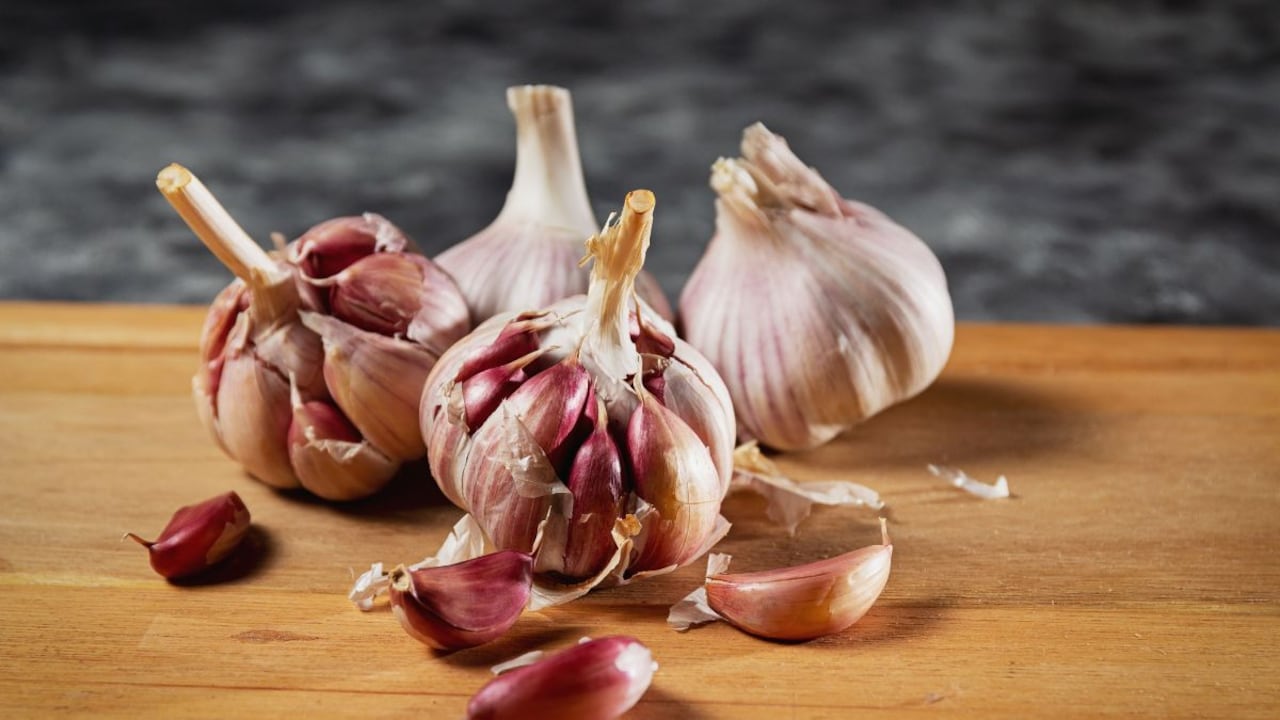
Photo: Pexels
If you simply toss chopped garlic straight into hot oil, you may destroy some of the very compounds you’re trying to get. According to Rupali Datta, “It’s best taken raw and crushed, or if it needs to be cooked, then crush and rest so that the compounds are formed. Crushing and chopping activate the enzyme alliinase, which creates allicin. Resting allows this compound to stabilise before cooking.”
Both raw and cooked garlic have benefits, but raw garlic usually contains more allicin. According to Dietitian and Certified Diabetes Educator Archana Batra, “Raw or lightly crushed garlic is often considered the best option. Crushing or chopping garlic and allowing it to sit for 5-10 minutes before consumption helps activate the enzyme that produces allicin. Excessive cooking, especially at high temperatures, can reduce some of these beneficial compounds.”
That doesn’t mean you have to start eating raw garlic every day if you don’t enjoy it. Even if you prefer cooked garlic, crushing it first and letting it rest before cooking can help preserve more of its beneficial compounds.
Easy Ways To Include Garlic In Your Daily Meals
Getting more garlic into your diet is quite simple. You can mix freshly crushed garlic into green chutneys, yoghurt dips, or homemade hummus. Add it to salads with lemon juice and olive oil, stir it into soups after they’ve finished cooking, or mix it into dal and vegetables just before serving.
If you’re making curries or sabzis, simply crush the garlic first, let it rest for a few minutes, and then add it during the later stages of cooking instead of frying it for a long time. These small changes may help you retain more of garlic’s beneficial compounds without changing the taste of your favourite dishes.
How Much Garlic Should You Eat?
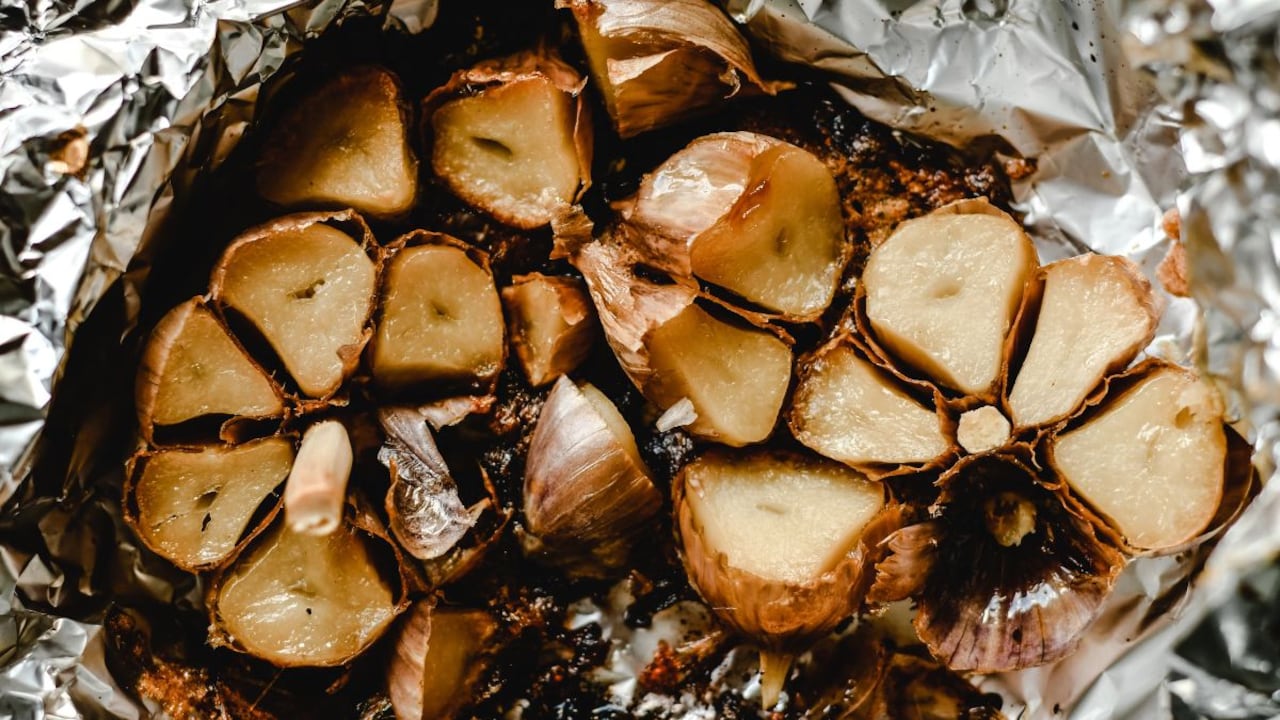
Photo: Pexels
When it comes to garlic, more is not always better. According to Archana Batra, one to two cloves a day is enough for most healthy adults. Eating excessive amounts won’t necessarily provide extra benefits. Instead, it may leave you with stomach discomfort and digestive issues.
Large amounts of garlic may cause acidity, heartburn, bloating, gas, stomach irritation, and bad breath in some people. Archana Batra advises that people taking blood-thinning medications or those preparing for surgery should consult their doctor before significantly increasing their garlic intake, as garlic may increase the risk of bleeding.
Also Read: 6 Pro Tips To Recreate Jaipur-Style Pyaaz Ki Kachori
While garlic shows promise in supporting healthy blood sugar levels, it cannot replace insulin, diabetes medicines, or medical advice. Archana Batra explains, “Garlic is not a standalone treatment for diabetes or prediabetes. It works best as part of an overall healthy lifestyle that includes a balanced diet, adequate protein and fibre intake, regular exercise, stress management, and quality sleep.”
Garlic may be small, but it packs plenty of potential health benefits.