Published On 6/24/2026
Scientists’ fears are increasing at the present time about a decision taken in Washington, the effects of which may not appear immediately, but it may reflect on the ability of countries to confront natural disasters, predict climate changes, and even on food prices around the world.
The decision relates to the US administration’s intention to reduce spending on a scientific system known as the “Ocean Observatories Initiative,” which is a huge research network worth about $368 million, extending across the Atlantic and Pacific oceans, and including floating platforms, underwater sensors, and equipment installed in the deep sea.
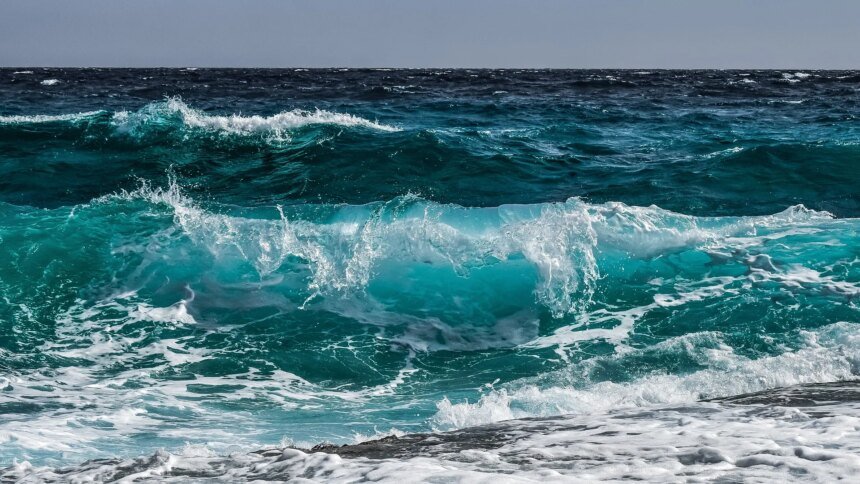
This system acts as an early warning device for the planet, as it continuously monitors ocean temperatures, the movement of currents, salinity levels, and chemical changes in the water, to provide scientists with basic data about the ability of the oceans to absorb greenhouse gases, monitor marine heat waves, and follow major climate phenomena such as El Niño.
The importance of this data lies in the fact that it does not remain in laboratories, but rather enters directly into forecast models that governments and institutions around the world rely on to prepare for storms, floods, and droughts. It also helps agricultural sectors plan production seasons.
One of the most prominent stations that confirm the value of this network is that in 2015 it was able to monitor an underwater volcanic eruption and provide information that helped scientists develop more accurate models to understand marine volcanic activity and predict its risks.
Remove the sensors
But this scientific capacity is facing a threat as the US National Science Foundation plans to send ships to remove 86 sensors and measuring instruments from the network, which scientists warn could leave major gaps in global climate knowledge.
The researchers point to three main risks that may result from the decline in this data:
- Poor accuracy of climate forecasts:
The oceans absorb the bulk of global warming heat, and any lack of information about them may make estimates of global warming less accurate.
- Disaster resilience:
Modern weather models rely heavily on ocean data to predict hurricanes and floods, and reducing this data could mean less time for countries to prepare, which could increase human and economic losses.
- Food security:
Understanding climate phenomena like El Niño helps farmers and countries make early decisions about agriculture and food supplies. If predictability declines, global markets may face greater volatility.
The sensitivity of this issue is particularly evident in the Arab regions, which are among the regions most affected by climate change. The decline in the ability to predict drought and heat waves may increase pressure on the agricultural and food sectors, especially in countries that rely heavily on imports.
The experiences of the region indicate the scale of the potential impacts, as the drought that struck Syria between 2006 and 2010 caused hundreds of thousands to lose their sources of livelihood and contributed to increasing the risks of food insecurity, and countries such as Somalia faced sharp increases in food prices due to harsh climate conditions.
While some parties believe that reducing spending may represent a reduction in government costs, scientists warn that ignoring investment in climate monitoring systems may turn current savings into a greater cost in the future, when confronting disasters becomes more difficult and more expensive.
The question for climate experts remains: Does reducing climate spending represent a move to save money, or is it a risk that the world may pay a price for when disasters become less predictable?