Published on 6/21/2026
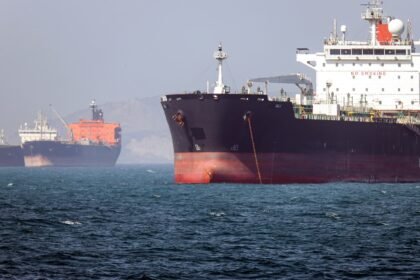
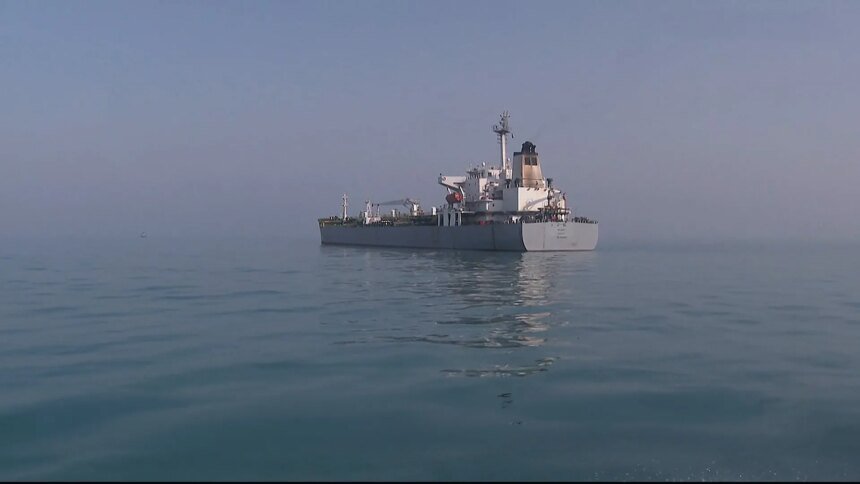
Footage monitored by Al Jazeera’s camera showed some ships anchored in the Strait of Hormuz after they were preparing to enter the strait from the Sea of Oman into Gulf waters, after Iran’s decision to close it.
Al Jazeera’s correspondent in Tehran, Omar Hawash, who monitored the situation in the strait, said that the military zone controlled by the Iranian Revolutionary Guard in the strait is completely closed to ships.
He added that the Iranian Navy, affiliated with the Revolutionary Guard, said that ships are prohibited from approaching the strait, otherwise they will be exposed to danger.
The closure of the Strait of Hormuz coincides with the negotiations taking place in Switzerland between the delegations of Washington and Tehran in accordance with the memorandum of understanding that was signed between the two parties earlier, which stipulates opening the strait to international navigation.
The Revolutionary Guards decided to close the strait since yesterday, Saturday, in response to Israel’s violation of the ceasefire in Lebanon, and Washington’s failure to adhere to the memorandum of understanding, as announced by the Khatam al-Anbiya headquarters.
According to Al Jazeera’s correspondent, Iran is talking about the first item related to Lebanon, which says, “Stopping the war on Iran must be accompanied by stopping the war on the Lebanese arena.”
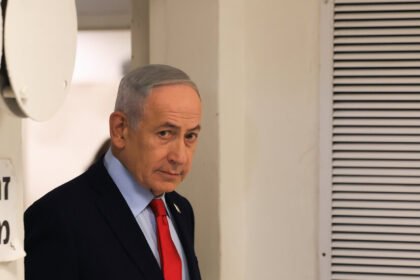
Israeli Channel 12 reported that, at the direction of Prime Minister Benjamin Netanyahu and Defense Minister Israel Katz, the Israeli army stopped firing in Lebanon, but it will not withdraw from the areas it controls.
A focal point of negotiations
On the other hand, the spokesman for the US Army Central Command told Al Jazeera that Iran does not control the Strait of Hormuz and that shipping traffic continues to flow, adding that US forces are “monitoring the situation to ensure the continuation of navigation through the Strait.”
It is expected that the status of the Strait of Hormuz will constitute a pivotal point in the negotiations that Washington and Tehran will conduct over a period of 60 days, according to what was stated in the memorandum of understanding, which aims to end the war that the United States and Israel began against Iran on February 28 of last year.
Experts inside Iran say that closing the Strait of Hormuz is considered a pressure card in Tehran’s hands, as Hawash points out.
Iranian media quoted chief Iranian negotiator Mohammad Bagher Qalibaf as saying that the Strait of Hormuz will not return to its pre-war state, noting that this does not mean violating international laws or maritime navigation.