Published on 6/19/2026
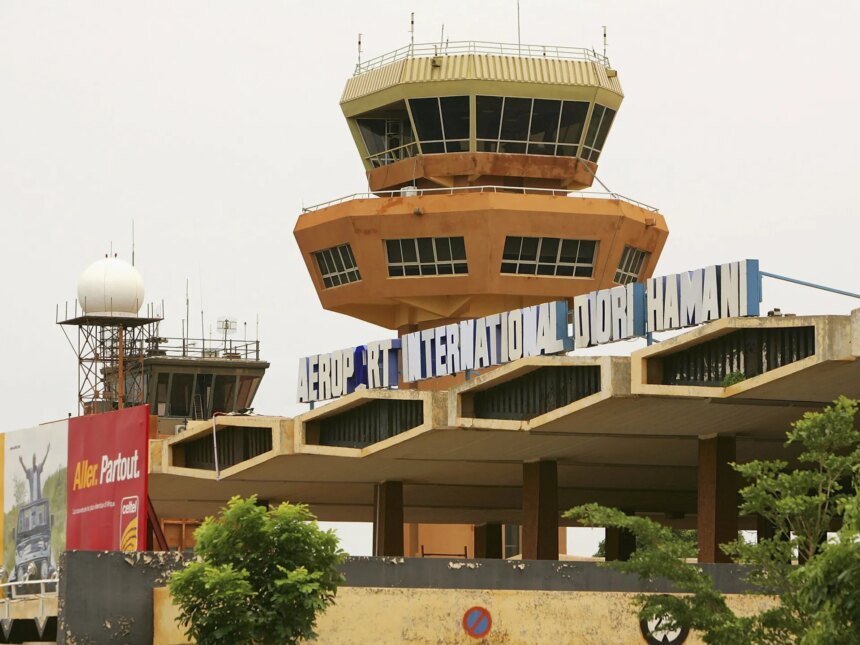
Yesterday morning, Thursday morning, the vicinity of Niamey International Airport in Niger witnessed gunfire that continued for about two hours before the situation gradually returned to calm, according to identical sources. Radio France Internationale (RFI) reported that armed attackers were able to enter the vicinity of the airport, while security forces were still carrying out combing operations in the vicinity until midday to secure the site and identify the perpetrators of the attack.
The authorities strengthened their security measures in several strategic locations in the capital, and the defense and security forces closed the areas surrounding the presidential palace and the Prime Minister’s Office.
Later, the Ministry of Defense announced in a statement read by the official channel that 11 soldiers, two civilians, and 22 attackers were killed, about 20 suspects were arrested, and 4 people were injured, according to a preliminary toll. The statement added that a “large-scale operation” carried out by the army is underway, and that the international airport is “fully secured and remains open to air traffic.”
The attack began around six in the morning (05:00 GMT) by gunmen belonging to an armed group. A source told Agence France-Presse that the gunmen arrived at a security checkpoint near the airport “by taxi,” and then faced “fierce resistance” from the security forces. The Associated Press reported that forces were deployed to repel the attack after gunmen breached airport security, and that it was not immediately clear who the attackers were. No party claimed responsibility for the attack immediately after it occurred.

Strategic location
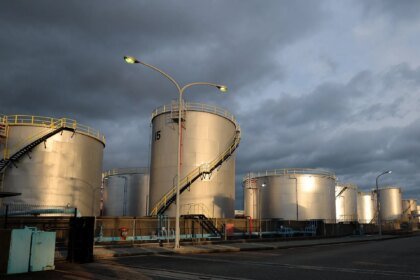
Niamey Airport is one of the most prominent strategic military sites in the country, as it includes, according to the Associated Press, an air base and the headquarters of the joint force established by Niger, Burkina Faso and Mali. The airport also hosts Russian forces and a drone unit that carries out strikes against armed groups, and stocks of uranium that Niger seeks to sell are stored there.
In recent weeks, the authorities began demolishing thousands of illegally built homes near the airport in the context of what they described as confronting a “terrorist” threat, as they claimed that random neighborhoods had been infiltrated by armed elements, while extending the airport’s security fence and installing more than 350 surveillance cameras inside and outside its perimeter.
Following the January attack
Thursday’s attack comes months after a major attack targeting the airport and the military base adjacent to it late last January, which lasted hours and was later claimed by ISIS. The Nigerien Armed Forces repelled the operation with the support of Russian partners, and several sources reported that the official toll was 4 people injured and significant material damage. The country’s president, General Omar Abdel Rahman Tiani, also acknowledged at the time that a security breach had occurred that enabled the attackers to carry out the operation.
According to Reuters, Tiani had accused the presidents of France, Benin and Côte d’Ivoire of sponsoring the January attack without providing evidence, and vowed to respond. The agency quoted government spokesman in Benin, Wilfried Leandre Hongbidji, as saying that Tiani is “the only one who believes this nonsense.”
Niger, like its neighbors Mali and Burkina Faso, faces difficulties in containing attacks by armed groups linked to Al-Qaeda and the Islamic State, which have left thousands dead and millions displaced in the three countries. Beverly Ochieng, a security risk analyst at Control Risks, told the Associated Press, “The symbolism of the airport as the headquarters of the Sahel coalition will push militants to target it.”