Following diets capable of significant weight loss has become a subject of great interest to those looking for a harmonious body and ideal weight, without carefully researching the side effects of these diets and the extent of their benefit to the body compared to their ability to lose weight.
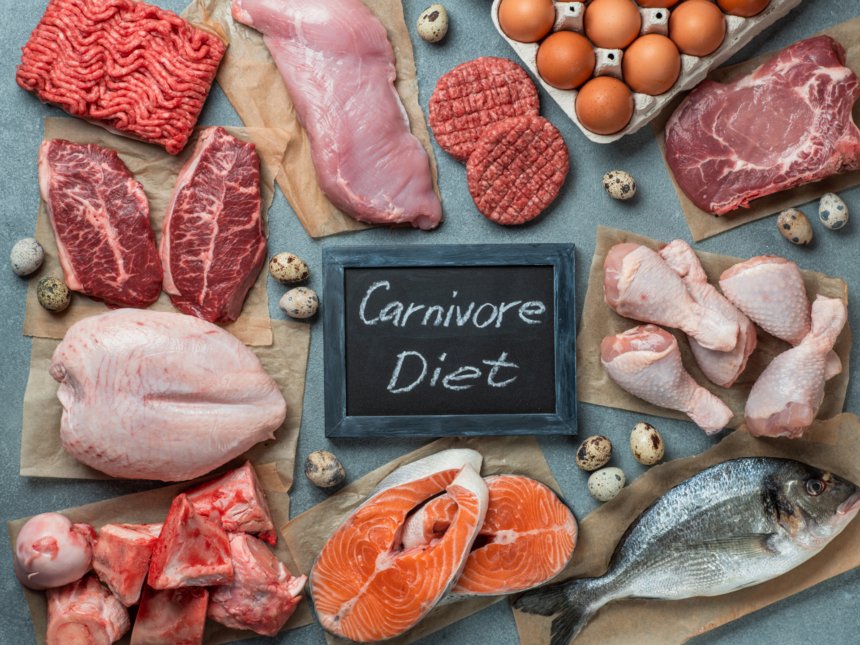
The Carnivore Diet, which relies mainly on animal products only and abstains from eating vegetables, fruits, and grains, is one of the most popular diets that has recently received widespread attention among those who want to lose weight and clinical nutrition coaches in their videos on social media platforms.

Limited benefits and broad risks
This total reliance on red meat, animal fats, and some dairy products is matched by a complete neglect of essential nutritional elements that the body needs, such as vitamins, minerals, amino acids, and fiber, which are provided by vegetables, fruits, and grains.
A recent systematic study published in January 2026 revealed positive effects of this diet, including weight loss, increased feelings of satiety, and possible improvement in some inflammatory and metabolic indicators.
However, the same study identified potential risks for deficiencies in a number of nutrients, such as vitamins C and D, calcium, magnesium, iodine, and dietary fiber, as well as high levels of low-density lipoprotein (LDL) and total cholesterol (TC).
The study concluded that although this diet provides short-term health benefits thanks to its low carbohydrates, it entails serious risks, most notably nutrient deficiencies, a scarcity of beneficial phytochemicals, and a high risk of cardiovascular disease, which led it to recommend “not long-term adherence to this diet.”
In June 2025, the British Heart Foundation commented on the increasing promotion of this diet through its recipes spread on the Internet, as it is limited to meat, fish, seafood, eggs and some dairy products, and is characterized by high levels of protein and saturated fats and low in fibre.
While its supporters tout its benefits for weight loss, lowering blood sugar and reducing inflammation, the foundation asserts that “extreme diets high in saturated fat and poor in fiber raise cholesterol levels, increasing the risk of heart attacks and strokes.”

Benefits of eating vegetables and fruits
In November 2023, the journal Springer Nature published a large-scale study aimed at clarifying the relationship between eating dietary fiber, fruits and vegetables on the one hand, and deaths from various causes on the other hand.
After nearly fourteen years of follow-up, the study concluded that increasing consumption of these nutrients contributes to reducing general and cause-specific mortality rates. Increased fruit intake was associated with a lower risk of death from any cause by between 9% and 11%, while the risk of death from cardiovascular disease decreased by between 11% and 12% in people who consumed the most vegetables.
As for the protective effect of vegetables in the face of chronic diseases, it was covered in a study published by the journal Nature Medicine in October 2022, which focused on heart disease, hemorrhagic stroke, type 2 diabetes, and esophageal cancer.
The study revealed that moving from not consuming vegetables to the ideal theoretical minimum level of exposure is associated with a significant decrease in the risks of these diseases. The risk of heart disease decreased by 22.9%, the risk of hemorrhagic stroke by 15.9%, the risk of esophageal cancer by 28.5%, and the risk of type 2 diabetes by 26.1%.
In addition, the study observed statistically significant protective effects of vegetable consumption against most of these diseases, although it indicated the absence of a clear statistical association with type 2 diabetes when variations between studies are taken into account.
It concluded, “Current evidence supports strengthening efforts and policies to encourage vegetable consumption, although existing doubts overshadow the need for continued research in this area.”

The relationship of vegetables to meat and their ability to absorb vitamins
The scientific journal “Gamma Network” published a study on the relationship between fiber consumption, insulin levels in the blood, and risk factors associated with heart disease, and concluded that diets rich in fiber may contribute to the prevention of obesity and cardiovascular disease by reducing insulin levels.
In December 2022, the journal MDPI published a study on the effect of soluble dietary fiber on the blood sugar response, and showed that the characteristics, composition, and structure of each type of food affect the digestion and absorption of nutrients, and that dietary fiber, especially viscous ones, contribute to lowering the blood sugar response caused by eating foods rich in carbohydrates.
Carotenoids found in some vegetables and fruits work in a dual role. It acts as antioxidants and is a rich source of vitamin A. A recent study published by Oxford University in April 2022 revealed that eating dietary fats, especially those rich in unsaturated fatty acids, along with foods rich in carotenoids enhances the absorption of these compounds.
In the same context, a study published by the National Library of Medicine monitored the relationship between meal components and the absorption of iron present in meat, and it was found that meat iron is easy to absorb and its absorption is not linked to the rest of the meal components, which refutes what is being circulated on social media platforms that the iron present in meat cannot be absorbed in the presence of vegetables in the meal because they hinder the absorption of this type of iron.
In her comment to Al Jazeera Net, Dr. Nada Fayed, a clinical nutrition consultant, pointed out that the speed of weight loss represents the most prominent advantage of the Carnivore diet, and it results from complete abstinence from carbohydrates, which leads to a rapid loss of fluids stored in the body, in addition to the feeling of fullness resulting from an abundance of animal protein and fats, which reduces the desire to eat sugars, and thus decreases the immune inflammation associated with high blood sugar, which improves insulin resistance and reduces visceral fat around the body. Waist and liver.
However, Dr. Fayed pointed out that these benefits come at a price; The scarcity of fiber resulting from avoiding vegetables and fruits leads to an imbalance of beneficial bacteria in the intestines, leading to indigestion and constipation, in addition to a severe deficiency in essential minerals and nutrients such as potassium, magnesium, vitamin C, antioxidants, and folic acid, which is important for the health of the nervous system.
In addition, excessive fat intake raises levels of harmful cholesterol, which has serious consequences for the health of the heart arteries and increases the possibility of clots forming.