Published on 6/16/2026
|
Last update: 07:02 (Mecca time)
There was conflicting information regarding financing a reconstruction fund in Iran as part of the framework agreement between Washington and Tehran, as US President Donald Trump denied the existence of any actual plans for this proposal, while Western and Iranian media spoke of funds worth $300 billion.
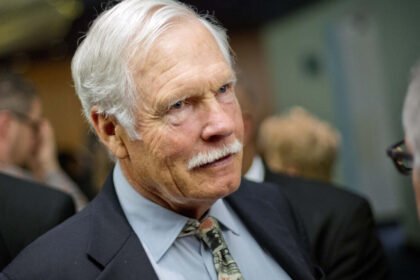
President Trump did not delay in denying this information through his “Truth Social” platform, accusing the Democrats of promoting such “fake news,” as he put it.
Trump wrote – yesterday evening, Monday – through his account: “The story that the United States is paying Iran $300 million is fake news promoted by the stupid Democrats.”
The number in Trump’s post was in the millions, without clarification of the context, while reports in the Financial Times, The Guardian, the Telegraph, and others stated that the talk revolved around $300 billion.
For companies, not governments
The Financial Times reported that the Trump administration is considering $300 billion in financing for Iran if the agreement holds.
The newspaper quoted an American official as saying that the administration is considering establishing this fund for companies that want to invest in Iran and not for governments, without clearly indicating its funding sources.
The Iranian Mehr Agency also indicated that the draft memorandum of understanding between Iran and America stipulates the need for Washington and its allies to submit plans for the reconstruction of Iran worth no less than $300 billion.
A US official said that this arrangement is not intended to reward Tehran for participating in the negotiations, but for it to abandon any pursuit of possessing nuclear weapons, or to participate in activities that could lead to the re-imposition of sanctions on it.
“partial relief”
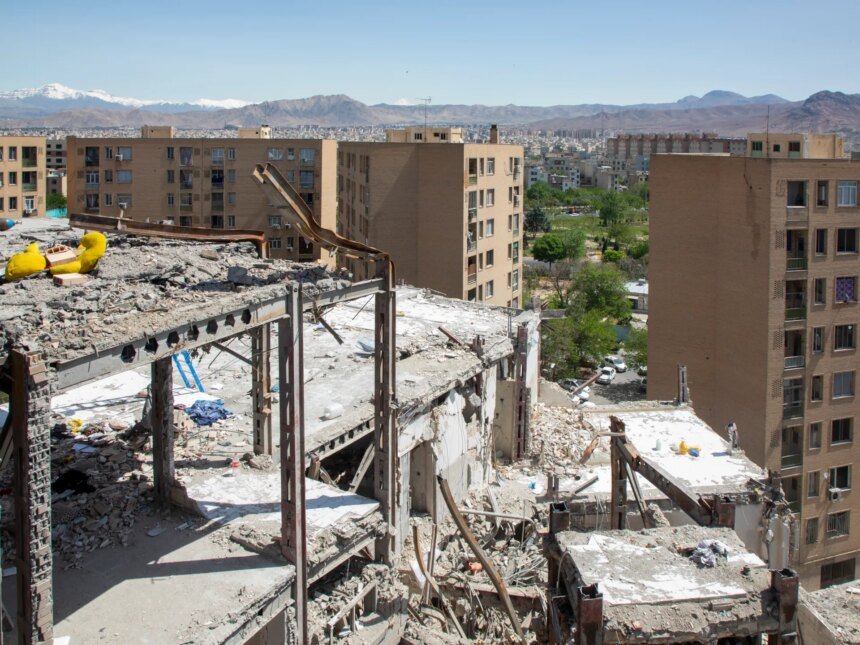
In any case, Iran seeks to secure funds in exchange for signing the final agreement, in order to compensate for the losses resulting from the American and Israeli bombing of its facilities.
The British newspaper The Guardian said that the initial agreement between the two countries may give the Iranian economy a limited breathing space through partial easing of sanctions and the reopening of the Strait of Hormuz, but it does not dispel the deep economic challenges facing the country, nor does it guarantee a rapid influx of investments or a comprehensive economic recovery.
According to the newspaper, the agreement includes a temporary exemption for 60 days from some US sanctions imposed on Iranian oil and petrochemical exports, in addition to understandings that allow Tehran to recover about $12 billion of its frozen assets abroad, without imposing direct restrictions on how these funds are used.
Last Sunday, the United States and Iran reached a framework agreement to end the war and reopen the Strait of Hormuz, with an official signing ceremony scheduled to take place next Friday in Switzerland.
Although few details have been announced about the agreement, many observers see it as a temporary step within a diplomatic process that still faces major unresolved challenges.