Published On 11/6/2026
The Israeli war on southern Lebanon increases the cost of difficult living burdens on the people of the south and its surrounding villages, especially with the onset of summer.
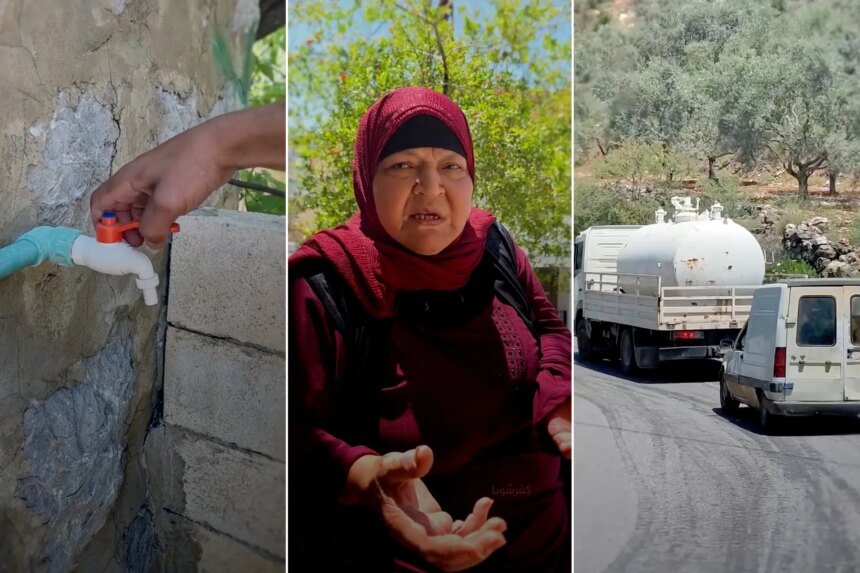
The town of Kfar Shuba has been facing an ongoing crisis in securing drinking water for three months, after the main pumping station stopped working as a result of the bombing of the electricity line feeding it, which directly affected the lives of residents in the border area.
It costs the townspeople up to $400 to fill water from the tanks, so they are appealing to officials for funding to secure water suitable for human use.
Citizen Maryam Al-Laqis talks about the daily burdens and difficulties that she and her family face daily due to the water and electricity outages in the town. She says that she was forced to leave her home in the Al-Krum area after it was damaged during the war.
He remembered that the cost of transporting water to the vineyard area was estimated at $20, but the price rose after the war to reach $35, but they did not afford the cost of transport.
Kfarshouba official Jalal Abdullah – who works as an employee at the governmental South Lebanon Water Corporation – explained to Al Jazeera that the town’s residents rely entirely on the electric pumping system to secure water, noting that there are no alternative sources within the town, in addition to the difficulty of arriving water tanks and the high cost of transporting them.
In turn, a district official in the town of Kafr Shuba, Issa Abdel-Al, confirmed that residents are suffering from a major water shortage, considering that addressing this problem has become a basic necessity to ensure that people continue to remain in their areas.
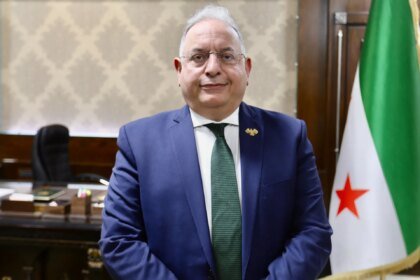
The mayor of Kafr Shuba and the head of the Union of Arqoub Municipalities, Dr. Qasim Al-Qadiri, told Al Jazeera that the municipality has submitted several requests through the competent international authorities and mechanisms to allow the repair of the electrical line, but it has not yet obtained the approvals required to restart the pump.
Al-Qadiri added that the municipality tried to provide temporary solutions by operating the pumps using electric generators, but the high cost of fuel makes this option difficult to continue, especially while ensuring that residents are not burdened with additional financial burdens.
The crisis is due to damage to the infrastructure during the war, as the damaged electricity line is located in an area close to the border with the Israeli occupation, which hindered the implementation of the maintenance work necessary to restart the pumping station.