Published On 10/6/2026
|
Last update: 16:30 (Mecca time)
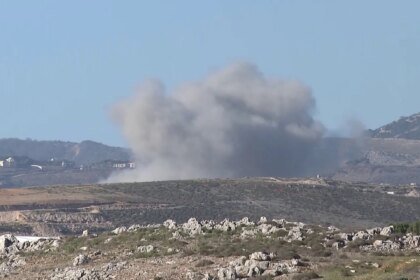
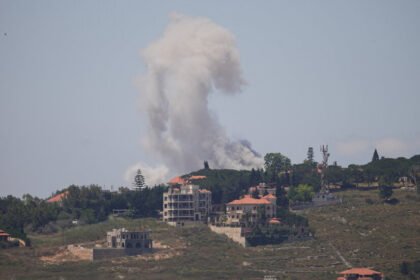
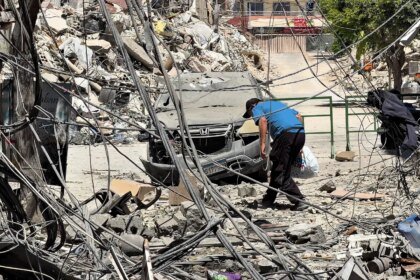
In the border towns of Arqoub in southern Lebanon, the repercussions of the Israeli war were not limited to homes and infrastructure, but rather extended to the poultry sector, which constitutes a major source of livelihood for dozens of families, after farms turned into facilities threatened with closure and loss under the weight of bombing and security risks.
Journalist Mustafa Al-Baba monitored for Al-Jazeera the reality of farmers in the towns of Rashaya Al-Fakhar and Al-Mari, where economic losses overlap with security concerns, in a scene that reflects the extent of the pressures faced by workers in one of the agricultural sectors most affected by the war.
Between almost empty farms and sheds where production has stopped, breeders talk about a reality they describe as “tragic,” after poultry farming has become linked to daily risks that threaten lives and investments at the same time, amid the absence of any signs of an imminent improvement in conditions.
Farmer Johnny Nazir from Rashaya Al-Fakhar says that his area is located in the heart of the targeting area, which caused great damage to the farms and led to the complete cessation of breeding operations, noting that the losses are repeated with every new batch of poultry.
Nazir adds that the sector in the region has effectively entered a stage of paralysis since 2024, after continuing work became a costly adventure with uncertain results, in light of the repeated bombing and the lack of appropriate conditions for the continuation of agricultural and livestock production.
Farms under fire
For his part, poultry farmer Masoud Abdullah confirms that the security factor has become the biggest challenge facing farm owners, explaining that reaching the farms, securing fodder and transporting production has become a risky task due to the targeting of roads and surrounding areas.
Abdullah points out that workers in the sector live in a constant state of anxiety, as going to or returning from the farm may turn into a dangerous trip at any moment, adding that work continues despite the continuing security threats.
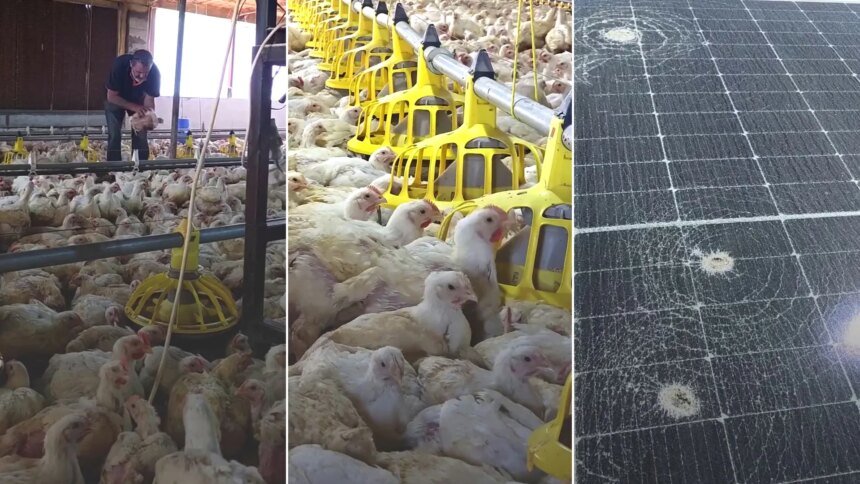
The losses were not limited only to a decline in production, but also affected basic supplies and equipment inside the farms, as facilities, solar panels, and production departments were subjected to direct damage as a result of the raids that targeted the vicinity of the border area.
As for farmer Samir Youssef from the town of Al-Mari, he narrates another chapter of the crisis, explaining that his new farm was ready for operation only one day before the outbreak of war, but security conditions have prevented work on it from starting until now.
Youssef says that the farm has turned into a heavy financial burden, as he continues to pay the debt installments resulting from its construction and equipment without achieving any return, after its doors have remained closed since its completion of equipment at the beginning of the war.
He adds that he has three farms that are completely stopped, noting that one of these farms was subjected to a bombing that led to the death of the guard and his family, in an incident that embodies the scale of the humanitarian risks that befell workers in this sector during the war.
Accumulated loss figures
In Rashaya Al-Fakhar, farmer Nazir Samih describes the reality of the sector as a gradual collapse of the source of livelihood for hundreds of families, stressing that his farm has been suspended for more than two years after it contained about 20,000 birds and constituted his only source of income.
Samih points out that stopping production for long periods has led to accumulated losses, calling on the official authorities and relevant institutions to intervene to support farmers and help them restore their activity before the sector completely exits the production cycle.
Rashaya Al-Fakhar municipality member Fayrouz Abboud revealed the extent of the damage in numbers, explaining that 12 out of 19 farms in the town were completely stopped due to the war, while the losses amounted to about 250,000 birds during the last period.
Abboud confirms that the municipality is trying to limit the repercussions of the crisis by securing water, maintaining roads, and removing obstacles that hinder farmers’ access to their farms, in an effort to preserve what remains of the sector and prevent the displacement of more residents from the area.