Published On 10/6/2026
As the forced displacement crisis continues, shelter centers and canvas tents have turned into disease hotspots that lack proper ventilation. With the sharp rise in temperatures, these places, crowded beyond their capacity, have turned into an ideal environment for the growth and reproduction of viruses and infectious skin diseases, most notably smallpox.
One of the displaced people in Deir al-Balah told Al Jazeera that the tents are burning during the day due to the intense heat, there is no clean water for bathing or drinking, and red blisters have begun to appear on the children’s bodies, which increases fears of an epidemic that the health sector and Gazans have no capacity to confront.
Suffocating overcrowding is one of the most prominent factors fueling health concerns, as entire families are crowded into very narrow spaces, making “social distancing” or quarantine impossible.
The absence of water and sanitation, the complete lack of usable water, and the severe shortage of cleaning materials and disinfectants prevent the displaced from maintaining personal hygiene.
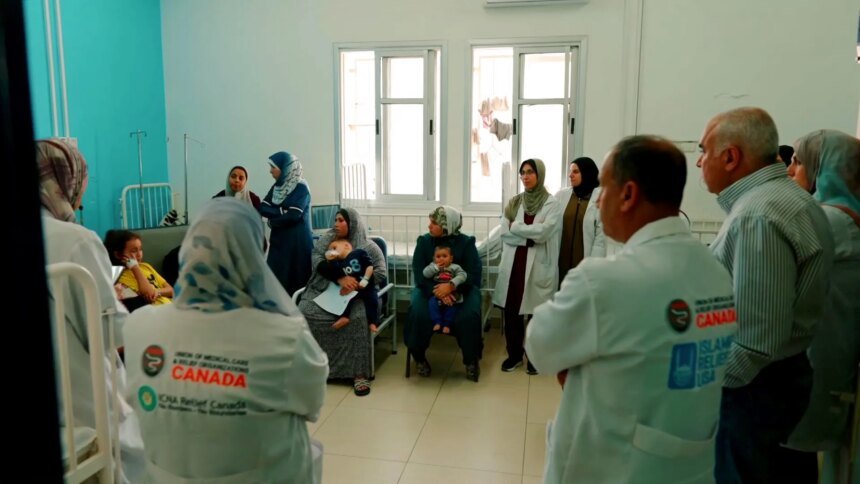
What exacerbates the seriousness of the situation is the deterioration of the medical system, especially after most hospitals and health centers were out of service, and the scarcity of medicines, antivirals, and preparations to soothe itchy skin.
Health experts in the sector confirm that the absence of basic services such as waste collection and the provision of potable water directly contributes to accelerating the rate of infection. Doctors warn that infection of children, pregnant women, and immunocompromised patients with smallpox in these circumstances may lead to serious and fatal complications, at a time when the medical sector is unable to provide basic care.
In turn, the Director General of the Ministry of Health in Gaza, Munir Al-Bursh, confirmed that the current health scene in the Strip is witnessing a noticeable escalation in the spread of infectious diseases, most notably smallpox, as daily life has become a fertile environment for the spread of diseases and epidemics.
Al-Barsh added – in statements to Al Jazeera – that the narrow space in which people live and with a population density that the world has never witnessed after the occupation annexed 70% of the area of the Gaza Strip, accelerates the spread of infection among the population, and even the emergence of other diseases.