Published On 3/6/2026
|
Last update: 23:54 (Mecca time)
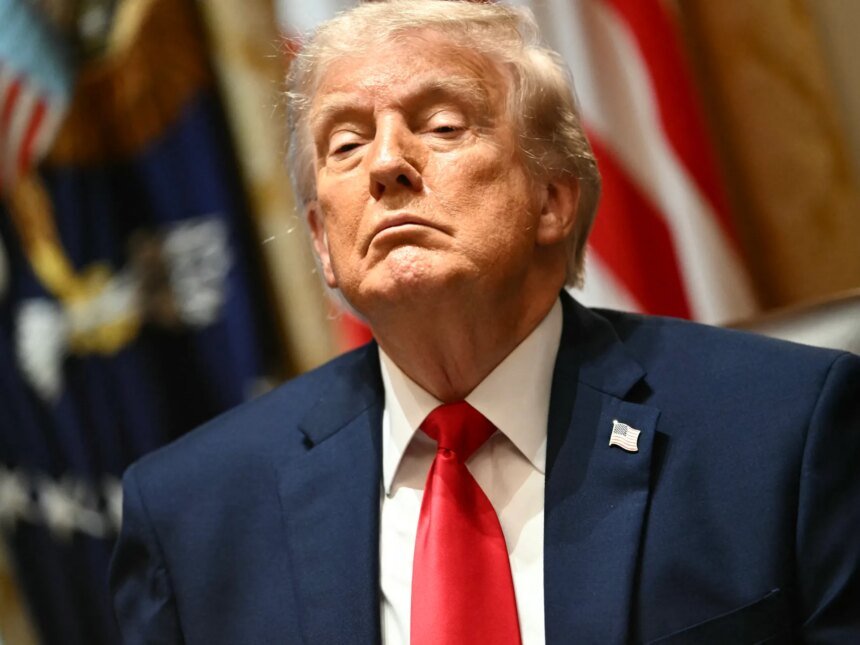
US President Donald Trump said that negotiations with Iran are progressing rapidly, at a time when Iran is demanding that any potential agreement include all fronts, including Lebanon, a point that has been met with Israeli intransigence to date.
Trump said in statements from the White House that “the negotiations are going very well,” and he did not rule out “something happening” over the weekend, adding that the upcoming agreement will be the opposite of the previous agreement signed by his predecessor, Barack Obama.
Read also
list of 3 itemsend of list
The American President stressed that “anything can happen with Iran,” reiterating his pledge not to allow Iran to obtain a nuclear weapon, and added, “If Iran signs the agreement, it will agree not to obtain a nuclear bomb.”
According to Trump, the United States can continue the war for two or three weeks and eliminate everyone, but he said he would prefer not to do that, and stressed that the American forces are ready, “but the best option is to reach an agreement with Iran that achieves the same result without killing everyone.”

For his part, US Secretary of State Marco Rubio said at a congressional hearing, “We hope that negotiations will lead to Iran abandoning uranium enrichment and handing over its highly enriched stock.” He added that President Trump would not have allowed Iran to build a traditional shield of weapons that it could hide behind to develop its nuclear program.
Lebanon is at the heart of negotiations
Washington and Tehran have been engaged in difficult and intermittent negotiations for weeks, as the mediators seek a more sustainable truce in the US-Israeli war with Iran. These negotiations are becoming more tense due to the expanding scope of the Israeli war with Hezbollah in Lebanon.
Iran said that it would not agree to an agreement with the United States to end the war launched by Trump and Netanyahu on February 28, unless the ceasefire also included Lebanon, but Israeli Prime Minister Benjamin Netanyahu wants to keep the issues separate, and is under internal pressure to strike Hezbollah, and this sparked public disagreements with Trump.
Hostilities continued on Wednesday, with at least 6 Lebanese dead in southern Lebanon, despite the American-brokered agreement reached on Monday, which prompted Israel to back down from attacking the southern suburbs of Beirut.
Iranian threat
On the other hand, Iranian Parliament Speaker Mohammad Baqir Qalibaf said that the time of threatening his country without cost has ended, and stressed that “any attack will face a decisive and proportionate response.”
In turn, Iranian Foreign Minister Abbas Araqchi confirmed that Tehran’s communications with Washington were not interrupted, but no progress had been made in the negotiations, adding that the two sides are studying the texts that were exchanged.
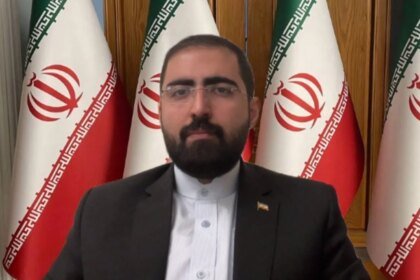
The Iranian Fars News Agency quoted Saeed Ajorlu, a member of the negotiating media team, as saying that any agreement must include the following points:
- Ending the war and completely stopping military operations.
- That the agreement includes all parties and all fronts, whether Iran, the United States, or the resistance front.
- Taking concrete actions on 4 main issues including the Strait of Hormuz, lifting the blockade, lifting oil restrictions and sanctions, and releasing some frozen Iranian assets and resources.
- After implementing objective and verifiable measures, negotiations will begin on broader sanctions, in addition to issues related to the nuclear file. Forming a monitoring committee to implement the understanding and follow up on the parties’ obligations.
In light of the US-Iranian dispute, Reuters quoted diplomats as saying that even if a memorandum of understanding was reached to end the war soon, this memorandum is unlikely to constitute a permanent breakthrough, but rather a temporary truce.
The agency reported, citing two regional sources, that Trump appears to have to be content with a short-term ceasefire and a vaguely worded commitment regarding highly enriched uranium and the Strait of Hormuz.
Iran maintains control over the Strait of Hormuz, a vital waterway for the world’s oil and natural gas, as well as related products such as fertilisers, while the United States continues its blockade of Iranian ports.