Published On 3/6/2026
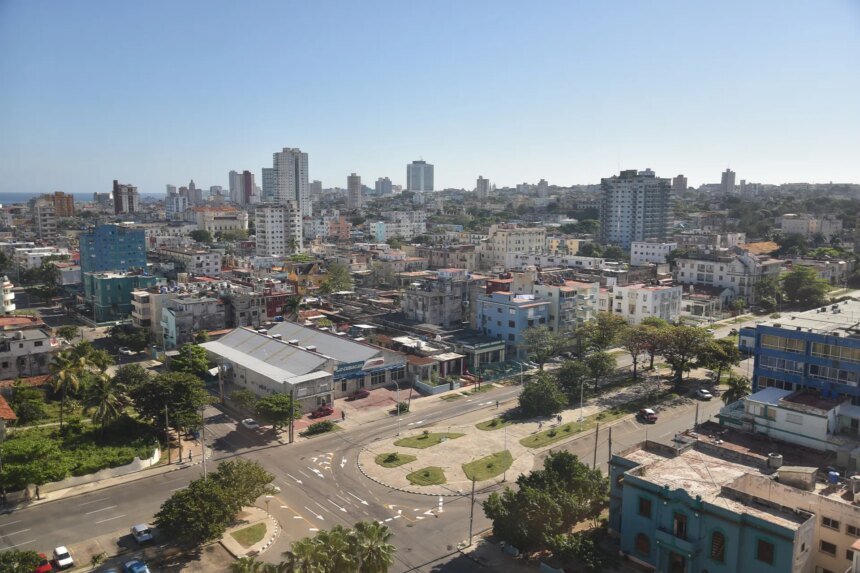
The pace of withdrawal of foreign companies from Cuba is accelerating as the deadline set by the United States on June 5 to stop dealing with the GAISA group linked to the Cuban army approaches, in a move that threatens to exacerbate the economic crisis that the island has been experiencing for years.
These developments come in light of the “maximum pressure” policy pursued by the administration of US President Donald Trump since the beginning of this year, which Washington justifies by considering Cuba an “exceptional threat” to US national security.
Read also
list of 4 itemsend of list
The US sanctions target the GAISA group, which is active in vital sectors of the Cuban economy, after a presidential decree issued by Trump on May 1 expanded the scope of the measures to include foreign companies cooperating with it.
According to the Office of Foreign Assets Control (OFAC) of the US Department of the Treasury, the companies concerned must adjust their operations before Friday or face measures that may include restricting access to the global financial system, complicating banking transactions, and freezing assets, especially within the United States.
In the latest withdrawal, the Canadian hotel chain Blue Diamond announced the complete cessation of its tourism activities in Cuba. The company did not directly link the decision to the US sanctions, but it pointed to the difficulties facing the tourism sector in light of the economic crisis and the recent oil blockade.
Informed sources reported that the Spanish hotel group “Iberostar” gave up the management of about 10 hotels that it had managed in partnership with the “Gaissa” group, while retaining the management of the hotels affiliated with the Cuban Ministry of Tourism.
Two other hotel groups, the Spanish Melia and the Indonesian Archipelago International, are considering reducing their business or completely withdrawing from the Cuban market, according to what the French Press Agency quoted from sources it described as informed.
The repercussions extended to the maritime transport sector, as the French shipping companies CMA CGM and the German Hapag-Lloyd announced the temporary suspension of shipping reservations to Cuba, provided that they decide their final position on continuing operations before the expiration of the American deadline.
In the mining sector, the Canadian company Sherritt announced last May its withdrawal from Cuba, where it had been active in extracting nickel and cobalt since the 1990s, after US sanctions also affected this sector.

Devastating effect
Experts warn that the new wave of withdrawals could increase pressure on the Cuban economy, which is already suffering from shortages of fuel and basic goods and declining tourism revenues.
“The impact of the departure of all these international companies on the Cuban economy in the short and medium term is devastating,” Cuban economist Daniel Torralbas told Agence France-Presse.
He added: “This makes 2026 the worst year in Cuba’s economic history over the past 70 years.”
On the other hand, Washington continues to increase its pressure on Havana, and US Secretary of State Marco Rubio recently accused Cuban leaders of corruption and benefiting from the activities of the GAISA group.
The US State Department confirms that the group has assets estimated at approximately $18 billion, and controls approximately 70% of the Cuban economy.
The Cuban government rejects these accusations and defends the role of GAISA as an economic tool that was established in 1995 to confront the effects of the American blockade imposed on the island since 1962.
Havana stressed that the group is not a “vague structure,” but rather represents a “clear response that has proven its effectiveness in confronting the economic blockade that has historically tried to stifle the Cuban Revolution.”