Published On 3/6/2026
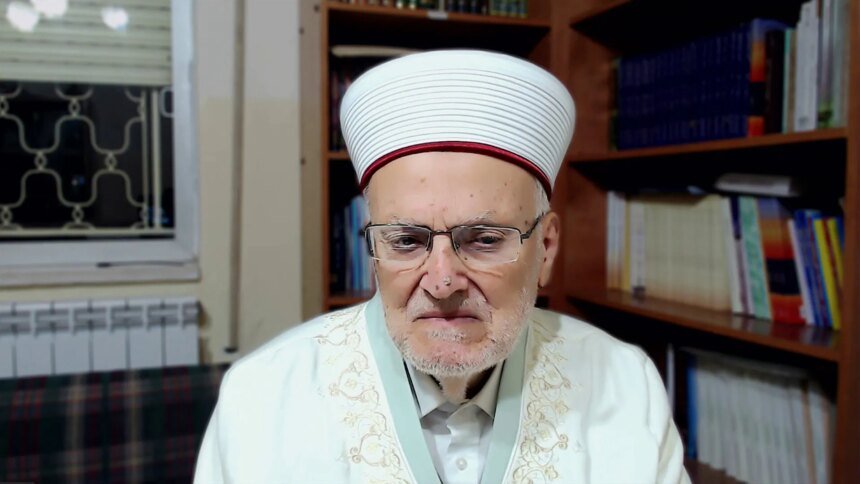
The imam and preacher of Al-Aqsa Mosque and head of the Supreme Islamic Authority in Jerusalem, Ikrima Sabri, confirmed that the draft law proposed by Israeli authorities to restrict the raising of the call to prayer in the occupied city and Palestinian mosques represents a new link in a series of previous attempts that have all failed, stressing that the Palestinians will continue to adhere to their religious right to raise the call to prayer and not allow any interference in their religious affairs.
Sabri said, in statements to Al Jazeera on Wednesday evening, that the current project “is not the first and will not be the last,” explaining that extremist Israeli groups had previously proposed similar projects to restrict the call to prayer over the past months, but they did not succeed in passing them, adding that the current attempt is the fifth of its kind.
He added that the call to prayer is an inherent right for Muslims, whether it is raised from the minarets of mosques or from the rooftops of houses, stressing that this right is linked to Islamic religious rituals and no party may interfere with it or impose restrictions on it.
He continued that Muslims do not interfere in the affairs of followers of other religions, whether Christian or Jewish, and therefore the Israeli authorities or extremist parties do not have the right to interfere in Islamic religious affairs or harm the rituals associated with Al-Aqsa Mosque and other mosques.
Sabri explained that the call to prayer has been chanted in Jerusalem for more than 15 centuries, since the companion Bilal bin Rabah raised it in the presence of Omar bin Al-Khattab, stressing that this ritual is part of the religious and historical identity of the Holy City.
He pointed out that the main factor that failed previous attempts was the adherence of Jerusalemites to their legal and religious rights and their lack of tolerance for it, explaining that the real goal of these projects is to impose a Jewish character on the city of Jerusalem and restrict Islamic aspects there.
He said that the atmosphere of faith that the city witnessed during the days of Eid al-Adha, and the accompanying takbirs and remembrances on the Day of Arafah and the days of Eid and Tashreeq, disturbed the extremist movements that look at the Palestinians and Muslims “with an eye of fanaticism and superiority,” as he described it.
Al-Aqsa Mosque violations
In his response to the justifications of the project’s supporters, the imam and preacher of Al-Aqsa Mosque criticized the allegations that the call to prayer causes nuisance, asking how can the call to prayer be considered annoying when the sounds of tanks, planes and missiles crossing the air are not seen as a source of nuisance?
Sheikh Ikrimah Sabri accused the extremist Israeli groups of committing repeated violations inside the courtyards of Al-Aqsa Mosque, pointing to the manifestations of singing, dancing and orgy during the raids, in addition to the chants and offensive expressions witnessed in the events of what is known as the “Flag March” in Jerusalem.
He explained that these practices represent an attempt to distort and overturn the facts, stressing that Jerusalemites will continue to defend their religious and historical rights in the city.
Sabri also stressed that the Palestinians do not rely on “international support,” considering that long experiences over the past decades have shown the limited impact of international positions in protecting Palestinian rights, and that the primary reliance remains on the steadfastness of the Palestinians and their adherence to their rights to their land and sanctities.
He said that Muslims in Jerusalem will not allow any violation of the call to prayer or tampering with it, and will continue to defend their right to practice their religious rituals in Al-Aqsa Mosque and other mosques without restrictions or interference.