Published On 1/6/2026
At a time when diplomatic efforts are intensifying to contain tension on the Lebanese front, Israeli warnings and mutual threats are escalating, amid growing talk about possible ceasefire arrangements. While Washington is putting forward new initiatives through Lebanese and international channels, Hezbollah is clinging to conditions that it considers essential for any truce, foremost of which is a comprehensive cessation of Israeli military operations and withdrawal from the Lebanese territories that it says are still occupied by Israel.
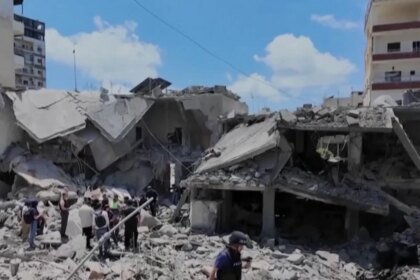
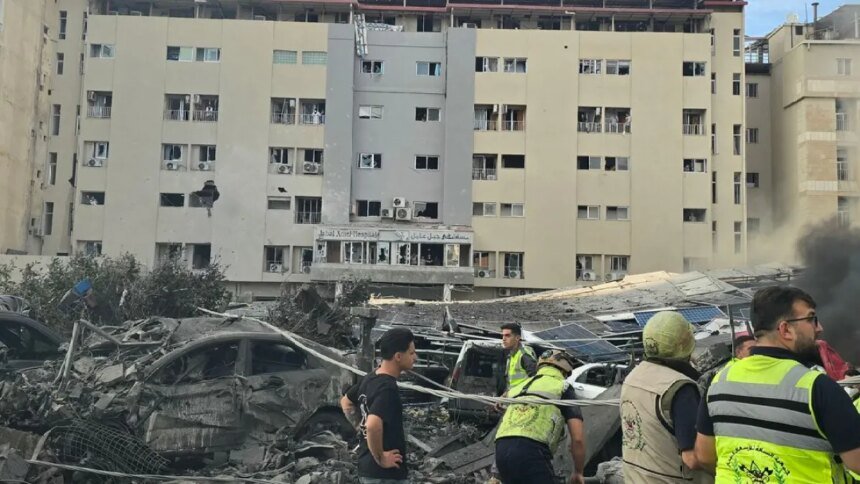
In this context, Hassan Ezzedine, a member of the Lebanese Parliament for Hezbollah, considered that what is happening in southern Lebanon represents a “widespread aggression” targeting civilians, infrastructure, health and service institutions, accusing Israel of expanding the scope of its military operations and bypassing what he described as all legal and humanitarian controls.
In statements to Al Jazeera Mubasher, Ezz El-Din considered that the current escalation cannot be separated from the American role, saying that Washington is not content with giving Israel political cover, but rather participates – as he put it – in drawing up policies that lead to the expansion of military operations in Lebanon and the region.
Ezzedine’s statements coincided with media reports that spoke of American and Lebanese contacts discussing the possibility of reaching a new ceasefire understanding, in light of talk about Hezbollah’s readiness to adhere to the truce if Israel adheres to the opposite side of the agreement.
However, the Lebanese official stressed that any formula that does not include a complete and comprehensive cessation of Israeli military operations will not be acceptable from the party’s point of view.
He explained that the concept of a ceasefire is not limited to stopping mutual bombardments, but must include stopping all military actions, including air strikes, bulldozing operations, incursions, and occupation, in addition to establishing a clear mechanism that leads to the withdrawal of Israeli forces from the areas that the party describes as occupied.
According to Ezz El-Din, the resistance considers itself in a position to defend Lebanese lands, and therefore the continued Israeli military presence means – from the party’s point of view – that the justifications for resistance action remain in place.
Accusations against Israel of violating previous understandings
Speaking about the opportunities for calm, Izz al-Din recalled the experience of previous ceasefire understandings, considering that Israel had not adhered to the agreements concluded over the past years.
He pointed out that Lebanon, according to his account, adhered to the terms of the previous understandings for long periods, while the Israeli attacks continued, which makes any talk about new arrangements linked first to the existence of real guarantees to oblige Israel to implement what is agreed upon.
From this standpoint, Hezbollah believes that the essence of the crisis is not related to the declaration of a ceasefire itself, but rather to the extent of the ability of the mediators, led by the United States of America, to impose adherence to it on the Israeli side.
In light of the increasing talk about the interconnectedness between regional files, Ezzedine touched on the Iranian role in the current developments, stressing that Tehran has announced more than once that the Lebanese arena forms part of any broader understandings that may be discussed with the United States.
He explained that Iran, according to his position, supports Lebanon politically and seeks to help stop the Israeli attacks through political and diplomatic pressure, but at the same time he stressed that Tehran does not seek – as he put it – to replace the Lebanese state or negotiate on its behalf.
These statements reflect the continued link between Lebanese developments and broader regional negotiations, especially in light of the escalation of tension between Washington and Tehran and its accompanying direct repercussions on the various arenas of the region.
Questioning the feasibility of direct negotiations
In parallel, Ezz El-Din expressed clear skepticism about the feasibility of any direct negotiations conducted under American auspices, considering that Washington is completely biased towards Israel, and that this bias limits the chances of reaching balanced settlements.
He believed that any negotiating process needs real power cards on the table, considering that the military and political pressures to which Lebanon is exposed make the negotiations, according to his description, unable to achieve actual results unless the political track is accompanied by a clear Israeli commitment to stop military operations.
These positions come at a time when there are increasing indications of an intense diplomatic movement aimed at preventing the Lebanese front from sliding into a broader confrontation, especially with the escalation of Israeli threats related to the southern suburbs of Beirut, and the growing talk of more extensive military operations.
On the other hand, Hezbollah adheres to an equation based on the fact that any truce cannot be partial or limited to one region or another, but must include the entire Lebanese territory and be accompanied by an end to what the party considers the occupation of Lebanese territory and a complete cessation of all hostile operations.
Between the field pressures and the diplomatic movement, the Lebanese arena appears to be facing a very sensitive stage, as military calculations intersect with political negotiations, while the future of the southern front remains linked to the extent of the mediators’ ability to transform the proposed initiatives into implementable understandings on the ground.