


Published On 5/17/2026
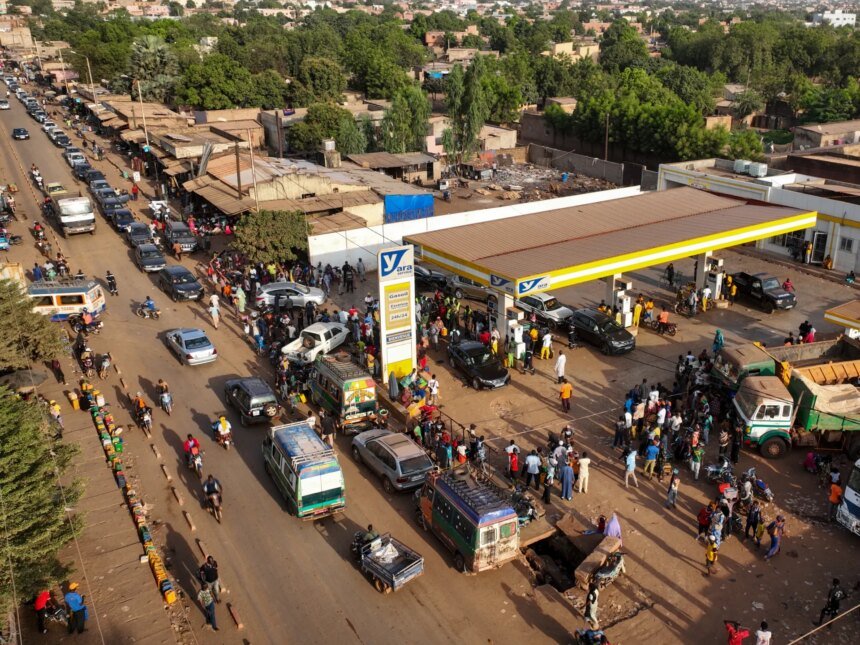
Amnesty International warned of the “unacceptable consequences” of a siege imposed by the “Group for the Support of Islam and Muslims” on the Malian capital, Bamako, and called on the armed group to respect international humanitarian law and ensure the safety of civilians, in light of the blockage of vital roads and the rise in prices of some basic commodities.
The organization said in a statement that the ongoing siege of Bamako “unacceptably limits the freedom of movement of civilians” and may lead to “serious violations of their rights to food security, health and life,” calling on the group to “stop targeting civilians or civilian objects” and respect the rules of war.
Read also
list of 2 itemsend of list
She pointed out that three main roads leading to Bamako have been cut off since April 28, after the Al-Qaeda-linked group announced a “siege” of the Malian capital. According to the organization, on May 6, a convoy of commercial trucks, including trucks carrying fruits, was attacked between Bamako and Bougoni, without being under military escort or carrying equipment or military personnel.
The statement quoted Marceau Siviu, Director of the West and Central Africa Program at Amnesty International, as saying that “attacks on civilian vehicles with a civilian purpose are unlawful,” stressing that international humanitarian law “obliges all parties to a conflict to always distinguish between civilians and combatants,” and that “attacks directed against civilians or civilian objects, including vehicles and infrastructure that are indispensable for the survival of the civilian population, are prohibited.”
“The siege actions must not violate the economic and social rights of the civilian population,” Sifio added, stressing that the “Group for the Support of Islam and Muslims” must respect the rules of international humanitarian law and ensure that the people of Bamako continue to have access to water, food and other basic needs.”
Amnesty International explained that as of May 15, three of the six main roads leading to Bamako and connecting to regional ports had been disrupted by attacks on traffic heading to the capital, cutting off the city from vital routes for transporting goods and supplying the population with supplies, noting that media outlets and residents the organization spoke to reported an increase in the prices of some basic commodities.
The organization noted that on May 5, the United Nations High Commissioner for Human Rights called for an “immediate cessation of fighting” and urged all parties to adhere to international humanitarian law and international human rights law, including the protection of civilians and civilian infrastructure.
Amnesty International reported that the group announced on May 6 an “easing” of the blockade and said that people seeking health care would be allowed to travel to Bamako, but explained that it “was unable to verify” whether this announcement was being implemented on the ground.
Fuel convoys
Amnesty International recalled a previous siege of Bamako announced by the “Group for the Support of Islam and Muslims” in September 2025, when it announced its intention to “prevent and disrupt” fuel supplies heading to the capital from regional ports, and attacked a number of trucks coming from Dakar on the Kay-Bamako road before announcing in November that fuel truck drivers “will be considered combatants” and will be targeted.


