Published On 4/28/2026
The appearance of Atef Najeeb – the head of the Political Security Branch in Daraa during the era of the ousted regime – before the judiciary opens a new chapter in the process of accountability in Syria, after his name remained associated with the file of arrest and torture of Daraa children in 2011.
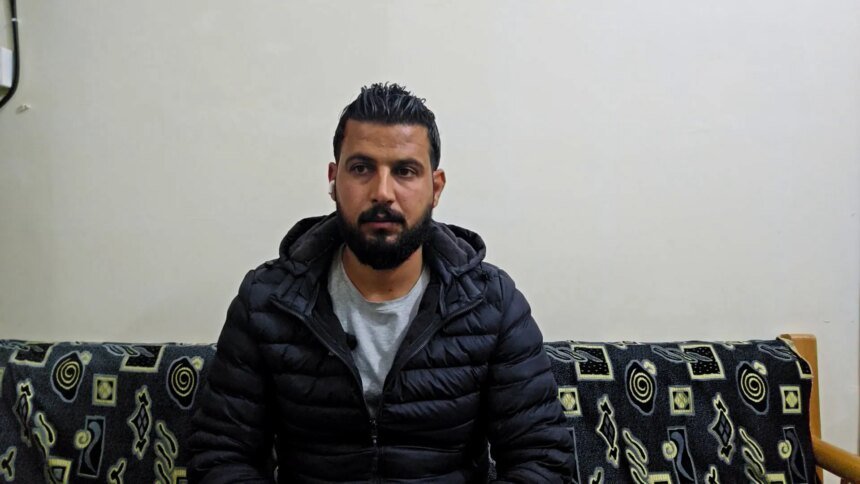
At the heart of this scene, Muawiyah Al-Sayasneh, one of those children, stands as a witness and an opponent at the same time, recalling the events of his arrest and the subsequent transformations that ended in a public trial 15 years later.
Al-Sayasneh said – during an interview with Al Jazeera Mubasher – that he was arrested when he was 15 years old, after writing the phrase “Your turn, doctor,” before he was transferred at dawn from his home to the police station, and from there to the Political Security branch.
There, Al-Sayasna confirms that he personally confronted Najib, and was subjected to a series of torture methods, which included electric shocks, “ghost” operations, and insults, noting that these practices “exceeded the children’s ability to endure.”
Al-Sayasneh links the arrest incident to the subsequent development of events, explaining that the demands for the release of the children quickly turned into popular protests, before escalating with the use of excessive force.
He refers to the shooting of demonstrators in Daraa in the south of the country during what was known as the “Mahata massacre,” where the first two were killed, considering that that moment constituted a fundamental turning point that pushed the movement from its peaceful nature to a more complex path.

Double feeling
Today, Al-Sayasneh stands after a decade and a half, burdened by two interconnected feelings. He describes the moment as “a day of pride and victory,” but he admits that he has an everlasting grief over what the Syrians lost. He also sees Najib tied up in front of him, in a scene that words cannot describe, but it does not erase the cost of the years: “We lost the beauty of Syria’s youth, and we paid a large bill of martyrs and detainees.”
In his assessment of the current scene, he points out the difference between the nature of security dealings previously, where “it was not possible to talk about public affairs,” and what is taking place today of a public trial in which procedural guarantees are available, including the presence of a lawyer for the accused and the right to defense.
He believes that these data reflect a shift towards a different judicial model, based on legal procedures, as “you are tried with justice, not with revenge.”
Expanding the scope of accounting
At the same time, Al-Sayasneh stresses the need to expand the scope of accountability, so that it is not limited to specific individuals, but rather includes “everyone involved” in violations, considering that achieving justice requires a comprehensive approach.
He stresses that the demand for accountability is inseparable from the extent of the losses that Syrians have incurred over the past years, whether on the human or material level.
He points out that what began with a phrase written by a child on a wall turned into a broad political and security path that ended with the overthrow of the regime and the start of trials for a number of its symbols.
Two days ago, the trial of prominent figures from the era of the ousted Syrian regime began in Syria after their arrest during the past months, starting with former security official Atef Najeeb, Bashar al-Assad’s cousin, and one of the security figures whose name was linked to the start of the Syrian revolution in 2011.
Najib became widely known in March 2011, when 15 children were arrested in the city of Daraa on charges of writing slogans on the walls against the regime. This incident sparked widespread anger after he responded to the families’ demands to release their children with an insulting phrase, which was described as the first spark for the launch of the popular revolution against Bashar al-Assad.