Published On 4/27/2026
|
Last update: 10:31 (Mecca time)
Oil prices rose by more than 2% on Monday, driven by faltering talks to end the war between the United States and Iran, and continued restrictions on shipping movement through the Strait of Hormuz, which reinforced fears of a scarcity of supply in the markets.
By 7:13 GMT, Brent crude futures rose by about 2.3%, reaching $101.4 per barrel, after recording larger gains earlier in the session.
Read also
list of 4 itemsend of list
US West Texas Intermediate crude also rose to $96.4 per barrel, an increase of 2%.
Last week, the two crude oil prices recorded the largest weekly gains since the outbreak of the war, as Brent rose by about 17%, while American crude rose by about 13%.
This increase came in light of the decline in hopes for reviving peace efforts, after US President Donald Trump canceled a scheduled visit of his envoys to Islamabad, coinciding with the arrival of Iranian Foreign Minister Abbas Araqchi to Pakistan, which reflected the complexities of the diplomatic scene.
Priyanka Sachdeva, an analyst at Philip Nova, said that Trump’s statements regarding military dealings with any Iranian movements in the Strait of Hormuz, in addition to his repeated talk about “total control” of the Strait, kept geopolitical risk premiums at high levels.
The geopolitical risk premium means the value added to the price due to the fear of supply disruption as a result of political tensions.

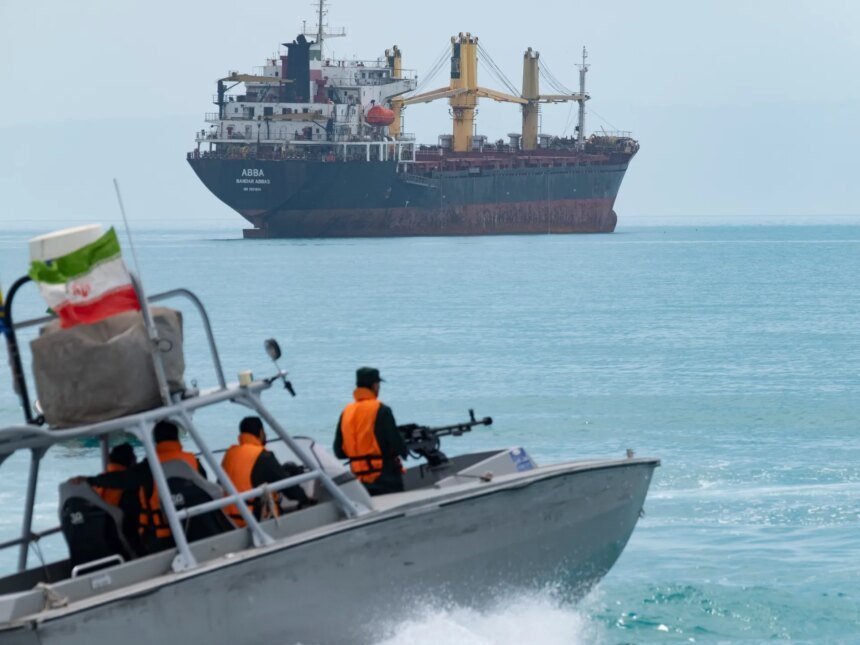
In contrast, Tehran largely closed the strait, while Washington imposed a blockade on Iranian ports, causing traffic to decline sharply.
Shipment tracking data showed that only one oil product tanker crossed the strait towards the Gulf on Sunday.
From surplus to severe deficit
In a related context, Goldman Sachs raised its forecast for oil prices during the fourth quarter of the year, expecting Brent crude to reach $90 per barrel, and West Texas Intermediate crude to $83, in light of the decline in production from the Middle East.
The bank’s analysts indicated that the economic risks associated with energy markets exceed basic expectations, in light of the unusual rise in refined product prices and the risks of supply shortages, in addition to what they described as an “unprecedented magnitude of shock” in the market.
The bank also expected that the global oil market would shift from a surplus in 2025 to a severe deficit during the second quarter of 2026, with supplies declining and withdrawals from stocks rising to record levels, which could impose additional pressure on global demand if the crisis continues for a longer period.