Published On 4/26/2026
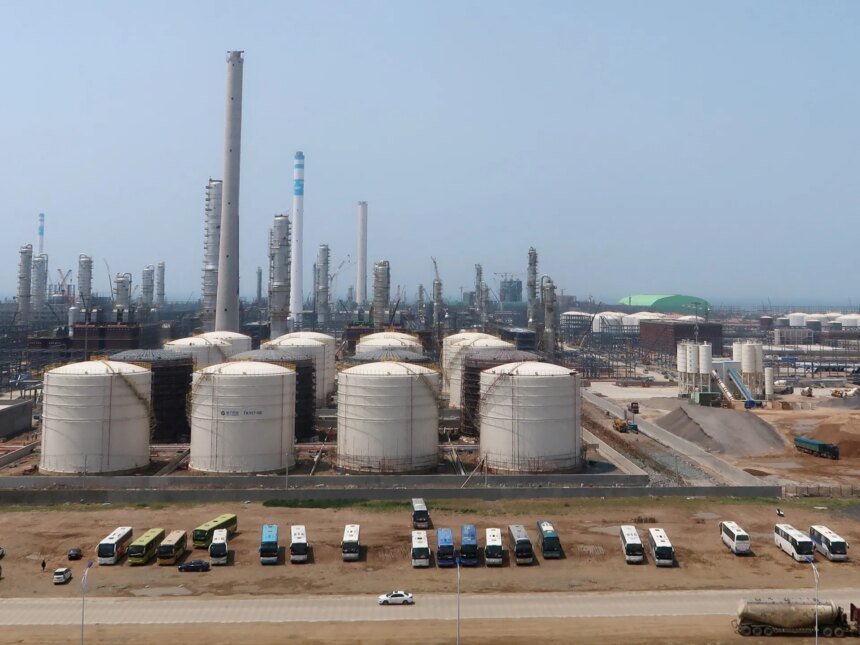
Hengli Petrochemical Company, one of the largest independent (non-governmental) refiners in China, denied conducting any commercial transactions with Iran after the United States imposed sanctions on one of its subsidiaries over what Washington said was the purchase of Iranian oil.
The company said in a disclosure to the stock exchange, today, Sunday, according to what was reported by Reuters, that it “has never participated in any trade with Iran” and that all of its oil suppliers “confirmed that the sources of the crude oil supplied do not fall within the scope of US sanctions.”
Read also
list of 4 itemsend of list
The company added that it has sufficient stocks of crude oil to meet processing needs for more than 3 months, and that its crude oil purchasing activities have not been affected in any way by the ongoing war in the Middle East.
Hengli Petrochemical said that the US sanctions on Hengli Petrochemical (Dalian) refinery lack facts and legal basis, and pledged to seek to lift the relevant restrictions.
US sanctions
The administration of US President Donald Trump announced on Friday the imposition of sanctions on the Chinese refinery for purchasing Iranian oil worth billions of dollars, she said.
The US Treasury Department targeted the Hengli Petrochemical Refinery, which it described as one of Iran’s largest customers for purchasing crude oil and petroleum products, and purchased billions of dollars worth of it.

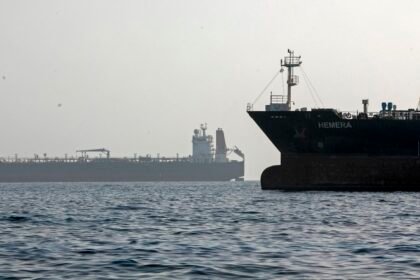
The Office of Foreign Assets Control of the Department of the Treasury announced, according to what the ministry stated on its website, that it had also imposed sanctions on about 40 shipping companies and ships operating within what it describes as the Iranian shadow fleet. The office explained that “the transportation of oil and petrochemicals represents a financial lifeline for the Iranian regime.”
US Treasury Secretary Scott Besent said, according to his department’s press release, that what he described as “economic anger” imposes “financial strangulation” on the Iranian government.
“The Treasury will continue to clamp down on the network of ships, brokers and buyers that Iran relies on to transport its oil to global markets,” Besant added.
Obstacles to refineries
Last year, the Trump administration imposed sanctions on other small independent Chinese refineries, creating obstacles to them, including receiving crude oil and forcing those refineries to sell refined products under the names of other companies.
Small independent Chinese refineries contribute nearly a quarter of the capacity of Chinese refineries in total, and operate with narrow and sometimes negative profit margins, according to Reuters, and have recently been affected by weak domestic demand.
Data from Kpler Energy Trade Analysis Company for the year 2025 indicate that China is the largest buyer of Iranian oil, purchasing more than 80% of shipments of this oil.
Experts in the sanctions file believe, according to what was reported by Reuters, that independent refineries enjoy relative immunity from the full impact of US sanctions, due to their lack of connection to the US financial system.