Published On 4/24/2026
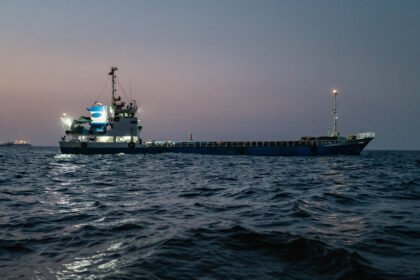
The closure of the Strait of Hormuz puts the Iraqi oil sector in the face of an unprecedented crisis, after it led to an almost complete halt in export operations through the main sea port, which directly affected production and revenues in a country that relies mainly on crude exports.
In light of this reality, the Iraqi government is looking for urgent and expensive alternatives to reopen new export routes, amid fears of broad economic repercussions.
In this context, a report by Samer Al-Kubaisi, Al Jazeera’s correspondent in Baghdad, monitored the extent of the direct effects of this development on the Iraqi oil infrastructure.
Al-Kubaisi explained that Basra Governorate is the backbone of Iraqi oil, as it produces about 70% of the total production, while approximately 90% of the country’s oil exports pass through its ports.
But the picture – according to the report – changed radically after the closure of the Strait of Hormuz, as the cessation of the main sea port led to an almost complete paralysis of export operations, which was directly reflected in the level of production, which declined significantly as a result of almost total dependence on this strategic corridor.
In this context, Adnan Hadi Al-Shammari, head of the Petroleum Economics Department at the University of Basra, said, “Diversifying outlets is important, but the cost and political complications are what limit the ability of the Iraqi decision-maker to make such a decision,” referring to the challenges facing Baghdad in restructuring export routes.
Alternative ports
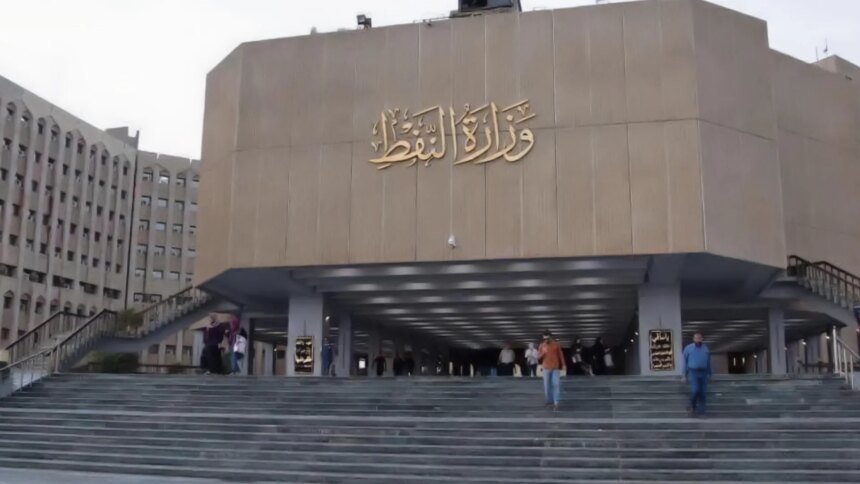
In the capital, Baghdad, Al-Kubaisi indicated that the authorities have begun searching for alternative outlets to export oil, in an attempt to mitigate the effects of the closure and ensure the continued flow of financial revenues, amid fears of an internal economic crisis resulting from the decline in revenues.
The report indicated that Iraqi oil exports decreased by about 90% compared to what they were before the escalation, which reflects the extent of the shock to which the vital sector was exposed.
In the context of searching for alternative solutions, the spokesman for the Iraqi Ministry of Oil, Abdul-Sahib Bazoun Al-Hasnawi, pointed out that the Iraqi-Turkish pipeline is one of the available options, with a capacity of up to 1.6 million barrels per day, in addition to studies to extend an oil pipeline through Syrian territory.
The report also moved to Anbar Governorate, where it highlighted the long queues of trucks loaded with oil, waiting to cross through the Al-Walid crossing towards Syria, and from there to the port of Baniyas on the Mediterranean Sea, in a route described as a temporary solution, but costly and insufficient to compensate for export losses through the Gulf.
The United States began implementing a naval blockade on ships heading to and from Iranian ports in the Strait of Hormuz, as of April 13, which complicated navigation in the region.
In response to the US-Israeli war against it, Iran has been restricting navigation in the Strait of Hormuz, through which 20% of global oil exports used to pass, since March 2.