Published on 6/26/2026
|
Last update: 23:32 (Mecca time)
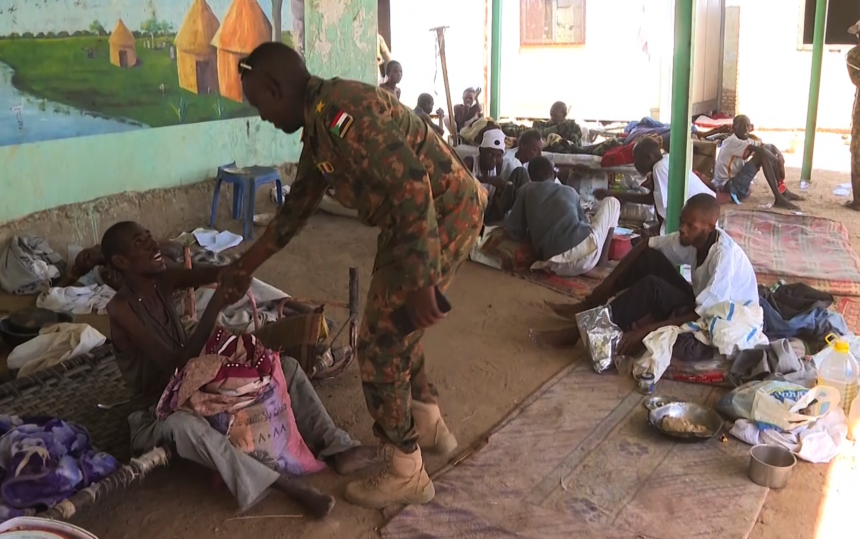
Behind closed doors and in places that have turned into theaters of suffering, the stories of Sudanese who emerged from war camps hide with bodies burdened with wounds and harsh memories that words sometimes cannot describe. Survivors carried with them testimonies of days of fear and torture, while others remained behind those walls and never returned.
Faisal is one of these survivors, but he is no longer able to narrate what happened to him in his own voice. The experience left its effects on his body and life, after he lost the ability to speak, breathe, and swallow normally. He also lost his home and work due to the war.
Because his voice was no longer able to carry the details of the tragedy, he chose to write his testimony in pen, stressing that what he was exposed to inside the Rapid Support Forces detention centers changed his life forever.
A report prepared by Al-Taher Al-Mardi for Al-Jazeera from Khartoum indicates that Faisal was not an isolated case. He shared his cell with thousands of detainees who lived in harsh conditions during a full year of detention. Some of them emerged with emaciated bodies, exhausted by torture, while others were unable to leave those places.

Among the corpses
Among the survivors was Adam, who found himself lying among the corpses after his torturers thought his life was over. But he remained alive to bear another testimony to the cruelty of that stage.
Adam narrates that he was unable to move when someone found him, after he suffered severe injuries to his body, noting that a passerby fled in fear of his condition, before others came and helped him and took him to the hospital.
While there are no final numbers for torture victims in Sudan, international reports speak of detention sites and mass graves, including a site in northern Khartoum, which included hundreds of people who were subjected to torture and starvation inside the detention centers of the Rapid Support Forces.
Sudanese government agencies also announced the documentation of thousands of cases of forced detention and disappearance, in addition to cases of sexual violence during the war.
On the International Day in Support of Victims of Torture, the walls of these detention centers still bear traces of those who passed through them, while the survivors wait for their testimonies to be transformed from stories of pain into steps towards accountability and justice, after the war forced them to confront one of the harshest human experiences.