
Published on 6/25/2026
|
Last update: 22:02 (Mecca time)
While regional and international capitals are busy following the course of the US-Iranian negotiations, US Secretary of State Marco Rubio chose to send decisive messages from the Gulf to allies and adversaries alike.
By talking about possible concessions or mutual gains, the American minister outlined the boundaries of the expected agreement with Iran with three clear nos: no fees on navigation in the Strait of Hormuz, no American or international funds for Iran, and no fund for its reconstruction.
Three nos came on the sidelines of the first joint Gulf-American meeting after the signing of the memorandum of understanding with Iran, revealing that Washington seeks to continue negotiating with Tehran without compromising the security and economic principles demanded by the Gulf states, and at the same time raising questions about the future of the negotiations and the limits of American flexibility in them.
Reassuring messages
The American messages also come from the capital, Manama, at the end of a tour that included the UAE, Kuwait, and Bahrain, and seemed like a deliberate American attempt to raise expectations regarding any final agreement with Tehran, and to reassure the Gulf allies that their security and economic interests will not be the price of the settlement.
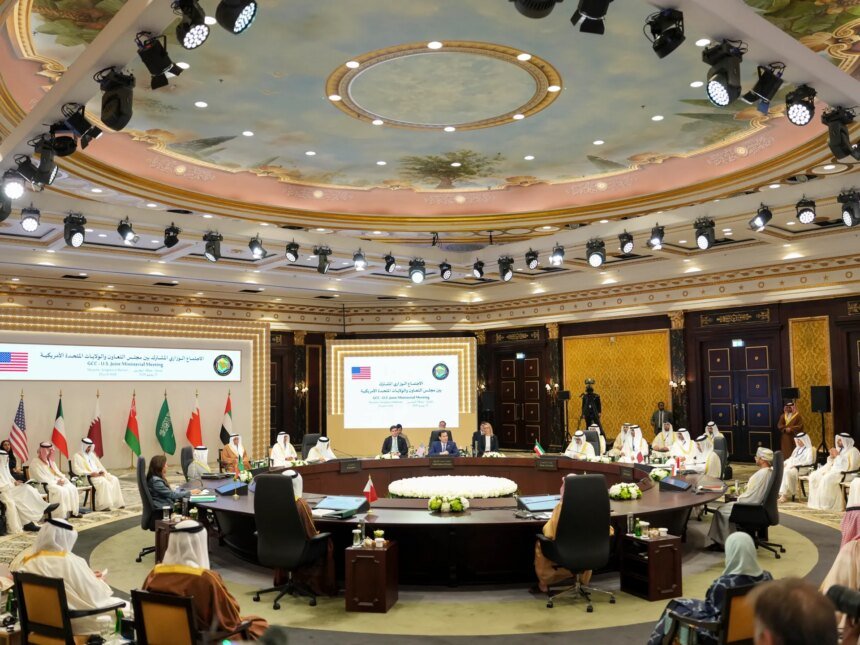
During the joint ministerial meeting between the United States and the Gulf Cooperation Council countries, Rubio stressed that any agreement with Iran must take into account the security of Washington’s partners in the region, stressing that his country will not agree to any arrangements that would undermine their security or threaten their stability.
But what is striking – according to observers – is that the American minister did not limit himself to talking about general principles, but rather delved into the details of the most controversial files during the past weeks.
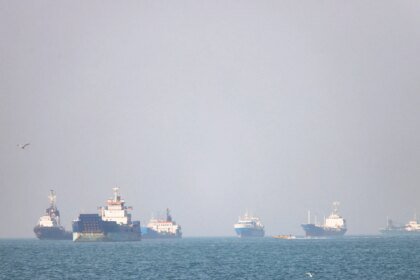
In his first nod, Rubio confirmed that there would be no fees for crossing the Strait, stressing that Hormuz is an international waterway that no country owns, and no party has the right to impose taxes or fees on ships passing through it.
This position came after widespread controversy sparked by previous statements by US President Donald Trump in which he talked about the possibility of imposing fees if negotiations with Iran failed, before he returned and confirmed that there would be no fees during the negotiation period.
The second “no” is Rubio’s denial of the existence of any American approval to transfer funds to Iran or release its frozen financial assets. The denial comes in light of questions raised following the signing of the memorandum of understanding between Washington and Tehran regarding the nature of the economic arrangements that may accompany any final agreement.
The third “no” was linked to denying the existence of any discussion about establishing a fund for the reconstruction of Iran, a proposal that emerged in some leaks and analyzes that dealt with the period after reaching a comprehensive agreement, especially in light of the great economic damage to which the Iranian economy was exposed during the years of sanctions and regional tensions.
Observers believe that these three noes reveal a clear American keenness to dispel Gulf fears that the expected agreement will turn into a bilateral deal between Washington and Tehran that ignores the interests of the countries of the region.
The Gulf tour came days after the signing of the memorandum of understanding, and at a stage when doubts still remained regarding the content of the final agreement, which made reassuring allies a political priority for the American administration.
The importance of these statements is highlighted by their timing, as they came at a time when several controversial issues were still on the negotiating table, most notably the Iranian nuclear program, sanctions, and navigation arrangements in the Strait of Hormuz, which prompted Washington to reaffirm its commitment to the security of its partners in the region.

In this context, the three no’s announced by the US minister reflect Washington’s position on a number of issues raised in parallel with the ongoing negotiations, and clarify some of the determinants that the US administration says it will take into account during the discussions with Tehran.
While consultations continue on the controversial issues, including the Iranian nuclear program, sanctions, regional security arrangements, and navigation in the Strait of Hormuz, the future of the final agreement remains dependent on the outcome of the upcoming negotiation rounds and the extent of the ability of the parties concerned to narrow the existing gaps of disagreement.
This is what was indicated by the head of the Al-Madar Center for Political Studies, Dr. Saleh Al-Mutairi, when he said that the visit of the US Secretary of State and his speech during the Manama Summit aimed to reassure Washington’s allies in the region regarding the course of the talks between Washington and Tehran.
Al-Mutairi said – during an analytical segment on Al-Jazeera – that the Gulf states want to hear about respect for sovereignty, non-interference in the affairs of others, and freedom of navigation in waterways, which are guaranteed – according to Al-Mutairi – in any future agreement.
He pointed out that the Gulf countries need Iranian guarantees not to misinterpret the current agreement between Tehran and Washington or others, and that they – that is, Tehran – not focus on their interests without considering the interests of others.